

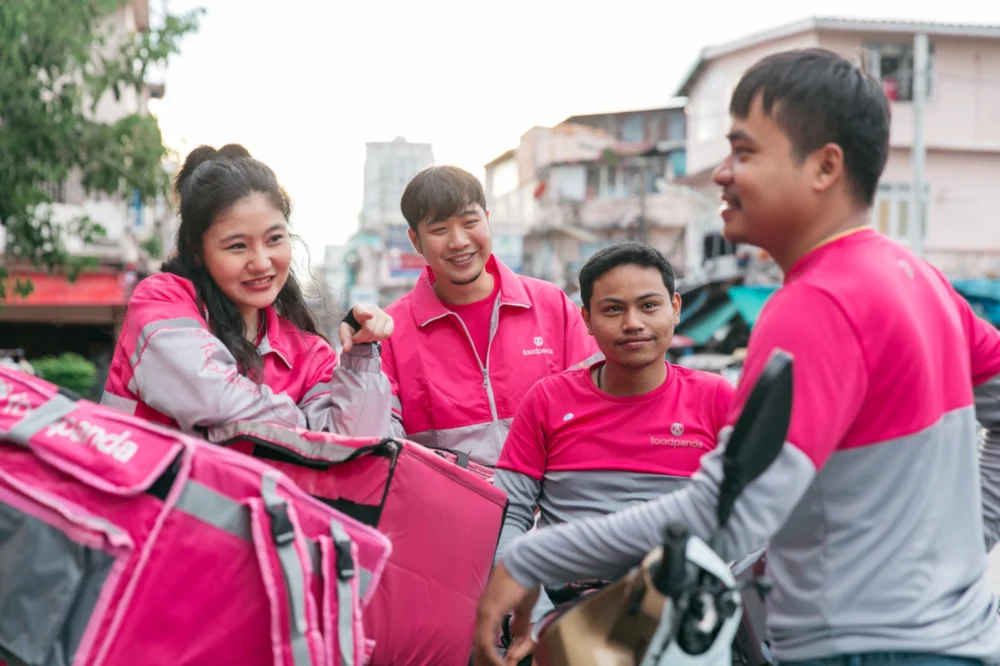
JustUpdateOnline.com – Delivery giant foodpanda has introduced a sophisticated safety initiative powered by artificial intelligence and data science to protect its network of couriers across 10 different markets in the Asia-Pacific region. This move marks a strategic transition from simply responding to road incidents to actively forecasting and mitigating risks before they occur.
By integrating these technologies, the company has successfully lowered the frequency of delivery partner accidents by 30% throughout the region. In Singapore specifically, courier sentiment regarding road safety has seen a notable improvement, with satisfaction levels rising from 46.4% to 51.7%.
A Data-Driven Approach to Road Security
The system relies on a variety of inputs to monitor and improve safety. In markets like Malaysia and Singapore, the platform utilizes telematics and motion-based signals. It also analyzes general app usage data, such as route selection, idle periods, and trip acceptance patterns, to detect any irregularities that might suggest a rider is in trouble or facing hazardous conditions.
Anson Chin, the Senior Director of Logistics for foodpanda APAC, explained that the technical architecture is built for both security and compliance. Each market operates its own data ingestion pipeline using encrypted APIs and secure SDKs. This localized approach ensures that the platform adheres to various regional privacy regulations, including the GDPR and PDPA. Once the information is gathered, it is processed through a centralized data lake with specific partitions for different regions.
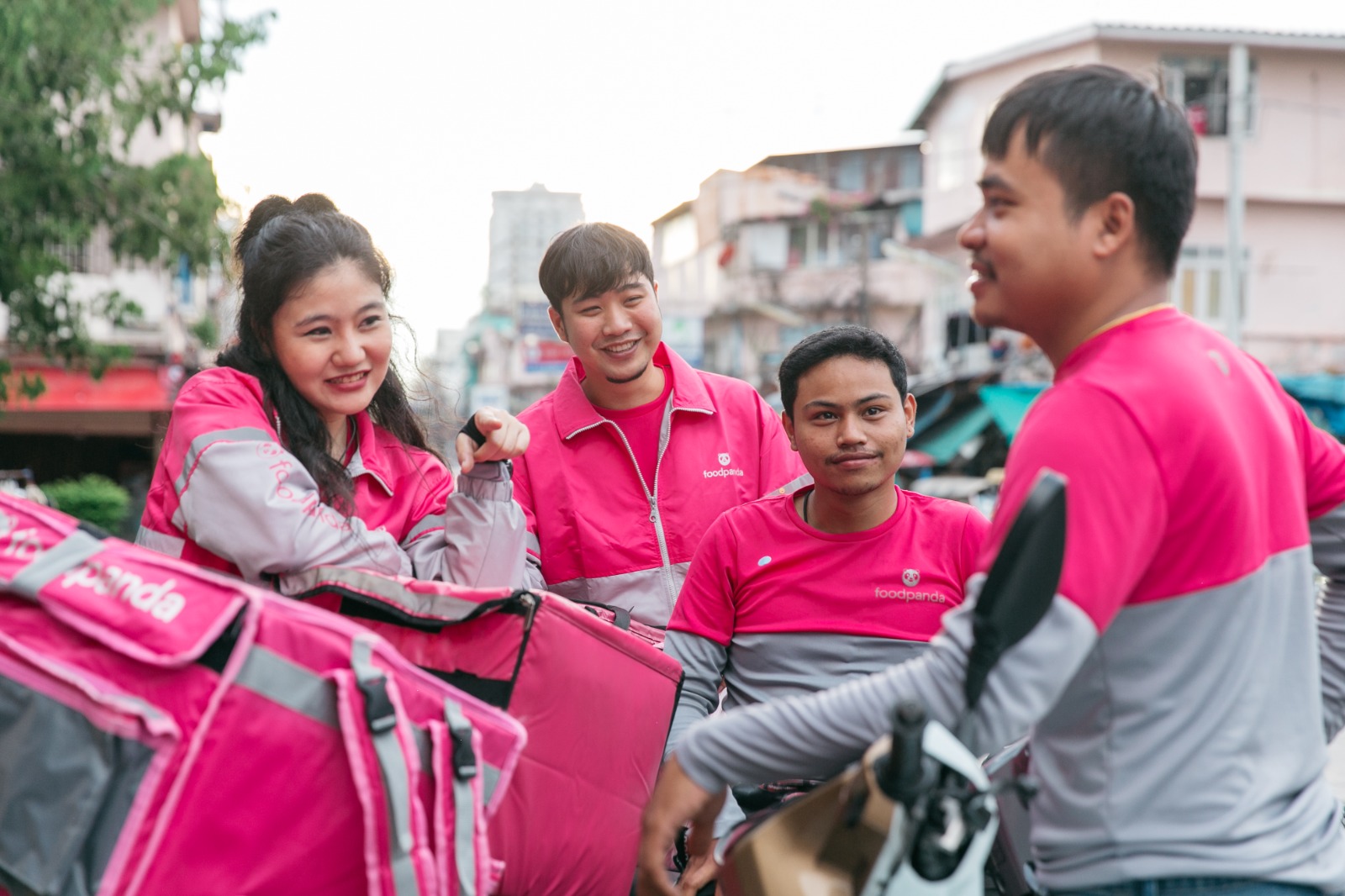
Shifting from Supervision to Support
The core of the initiative is an AI model trained on historical riding data. By analyzing behaviors such as abrupt braking, rapid acceleration, or speeds that deviate from local norms, the system calculates a dynamic safety score for each trip.
However, the company emphasizes that this technology is intended to be a supportive tool rather than a disciplinary measure. The insights gathered are used to:
- Optimize Workloads: If an order is too bulky or heavy for a specific vehicle, the system can automatically split the delivery or reassign it to prevent physical strain or balance issues.
- Reduce Time Pressure: Proprietary models estimate the necessary travel time based on the time of day, vehicle type, and specific route legs. This ensures couriers have enough time to reach their destination without feeling the need to rush or break traffic laws.
- Provide Real-Time Assistance: The system uses stream processing to identify anomalies as they happen, allowing for immediate "safety nudges" or interventions.
Global Scale with Local Flexibility
To manage its vast operations, foodpanda employs a hybrid infrastructure model. While the overarching AI models and governance policies are managed by a global data science team, individual markets maintain a "federated localization layer." This allows each country to adjust the system based on local traffic behavior, storage requirements, and legal standards.
Looking toward the future, the company intends to keep evolving its safety tech to meet the changing needs of the gig economy. Rather than implementing technology for its own sake, the focus remains on creating a flexible, supportive environment that prioritizes the well-being of couriers on the front lines.
