

JustUpdateOnline.com – In a strategic move to solidify its position in the future of transportation, Uber Technologies is exploring ways to utilize its vast fleet of millions of vehicles as a live data-gathering network. The ride-hailing giant intends to provide autonomous vehicle developers with crucial real-world information harvested from its global driver base.
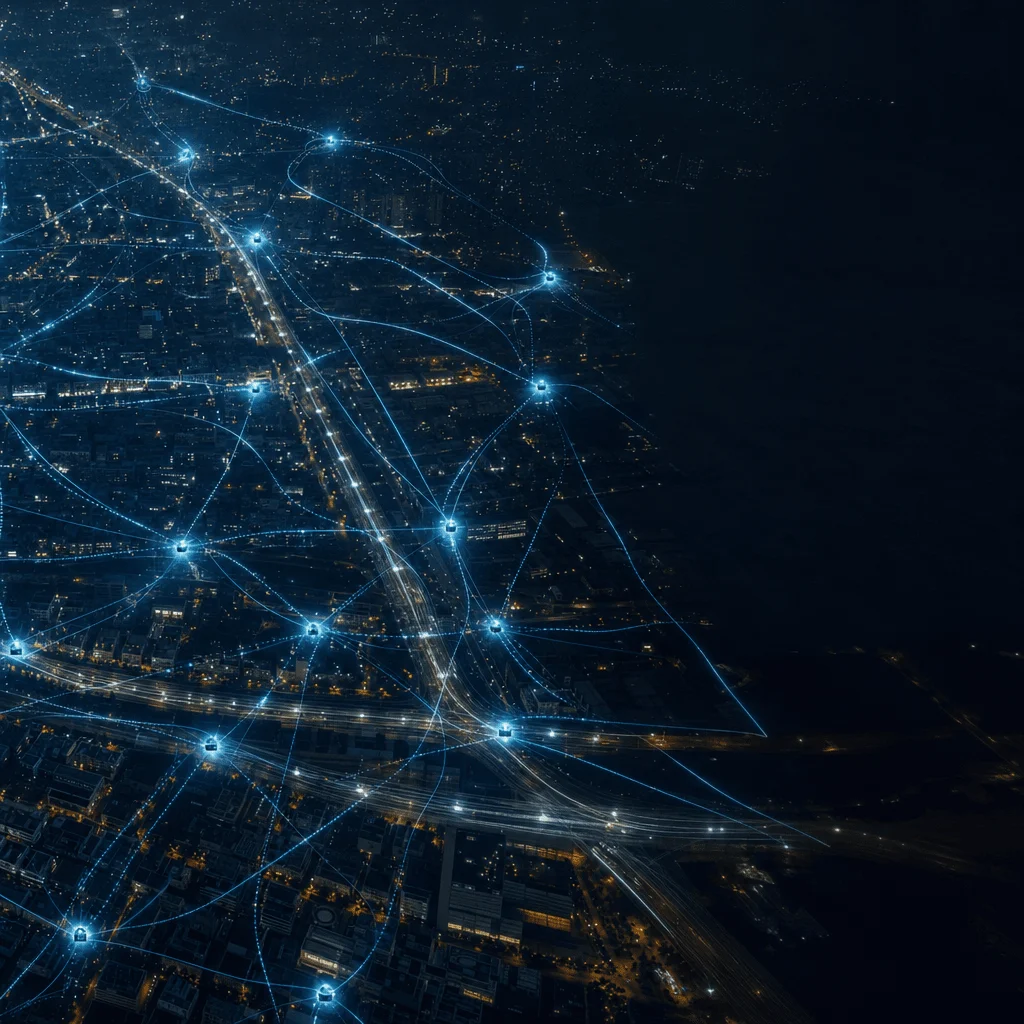
This initiative effectively reimagines every Uber-affiliated car as a mobile sensor unit. By leveraging the sheer volume of vehicles already on the road, the company can capture a continuous stream of visual and spatial data. This information is invaluable for training the artificial intelligence systems that power self-driving cars, helping them navigate complex urban environments and better understand unpredictable human behavior.
For developers in the autonomous driving space, accessing Uber’s widespread network offers a significant shortcut to scaling. While most self-driving firms operate limited test fleets in specific geographic regions, Uber’s presence spans thousands of cities worldwide. This allows for the collection of diverse data across various climates, unique road layouts, and localized traffic patterns—a feat that would be nearly impossible for a single manufacturer to achieve independently.
This transition marks a significant evolution in Uber’s business model. After pivoting away from developing its own proprietary self-driving hardware years ago, the company is now positioning itself as an essential infrastructure partner for the rest of the industry. By providing the "eyes and ears" for AI training, Uber is creating a new revenue stream while ensuring its platform remains the central hub for the next generation of mobility.
As the race toward fully autonomous transportation accelerates, the ability to process and utilize massive datasets will be the primary differentiator between success and failure. Uber’s plan to turn its gig-economy workforce into a global sensor grid could provide the missing link that helps self-driving technology finally move from experimental testing to mainstream reality.
