

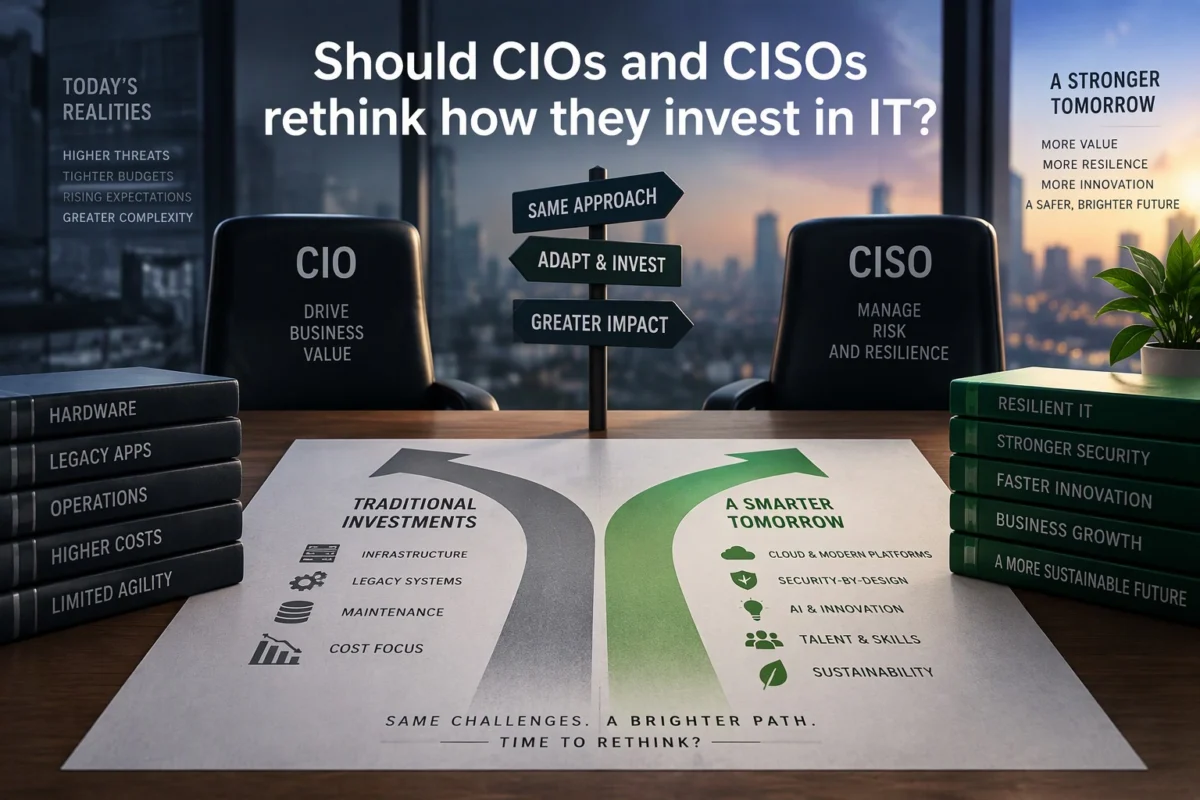
JustUpdateOnline.com – As global investment in software approaches the trillion-dollar milestone, a significant shift is occurring in how enterprise leaders manage their technology budgets. While cloud and software adoption in the Asia-Pacific region continues to see robust double-digit growth, the era of unchecked digital expansion is giving way to a period of intense financial scrutiny.
Heading into 2027, Chief Information Officers (CIOs) and Chief Information Security Officers (CISOs) are facing mounting pressure to demonstrate tangible returns on investment (ROI). Corporate boards are no longer satisfied with technical specifications or routine upgrades; they are demanding clear evidence that technology spend directly fuels revenue growth or slashes operating costs. This is particularly true for Artificial Intelligence, which is transitioning from a phase of speculative experimentation to a requirement for quantifiable operational success.
A primary concern for modern enterprises is "cost leakage," particularly within third-party vendor relationships. Recent data from Proxima, a division of Bain & Co., indicates that external suppliers now account for approximately three-quarters of total corporate expenditure for many global organizations. Inefficient management of SaaS licenses, unmonitored cloud usage, and the complexities of AI deployment are significantly impacting earnings before interest, taxes, depreciation, and amortization (EBITDA). However, experts suggest that strategic sourcing and better alignment between technical leaders and the C-suite could recover up to 15% of these lost funds.
Several factors are driving this financial strain. Vendor markets have consolidated, leading to the retirement of perpetual licenses in favor of more expensive, bundled subscription models. Furthermore, the consumption-based nature of cloud computing means costs can spiral without active oversight—a problem exacerbated by the massive data demands of AI workloads. Many firms have also shifted toward renting essential services, turning what were once one-off capital expenditures into rising, recurring operational costs.
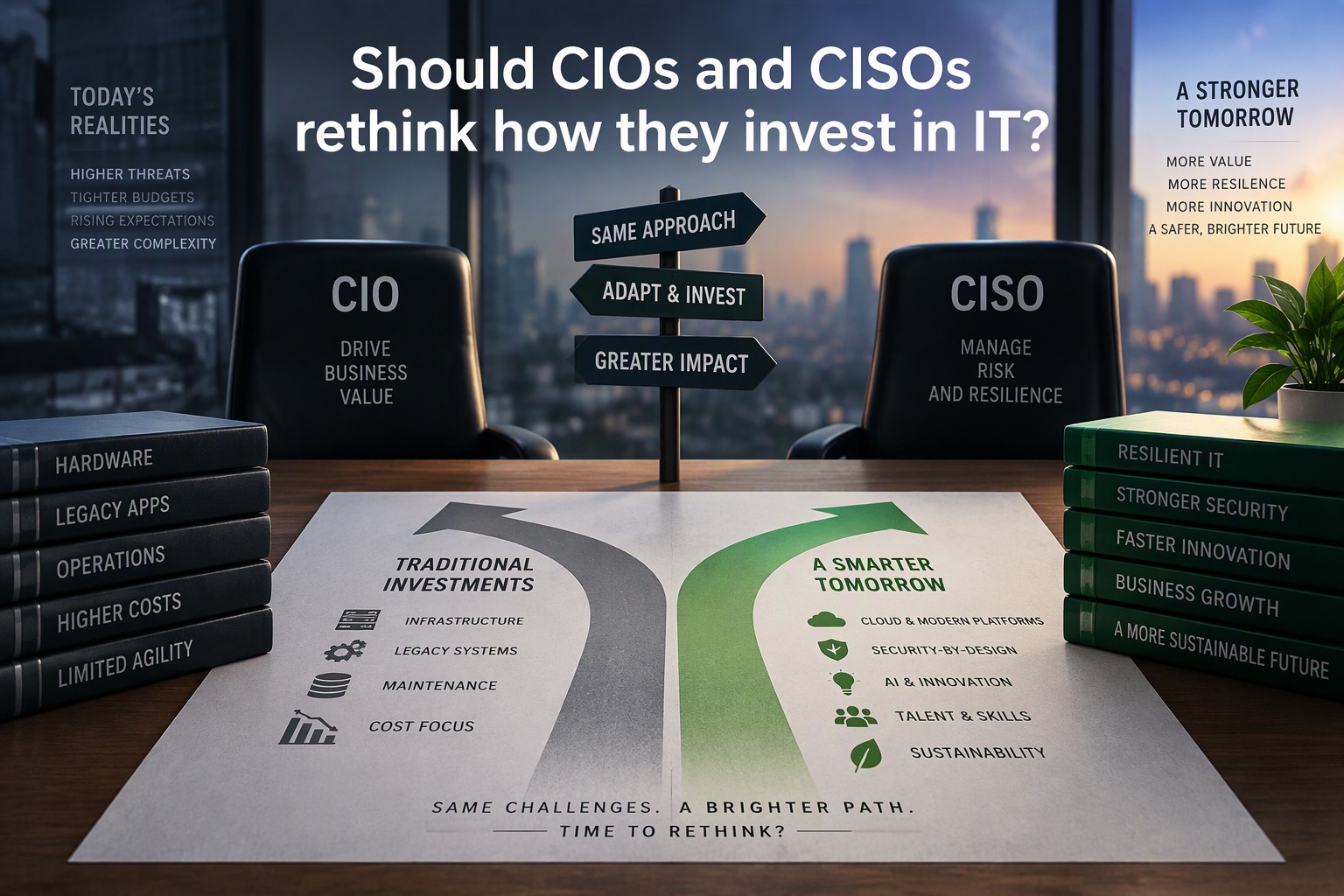
There is also a growing concern that AI licensing fees are outpacing their proven benefits. Many organizations have rushed to secure per-seat licenses for large teams without first identifying specific use cases or measurable gains. As pricing models evolve toward more complex token-based or usage-based systems, forecasting and controlling these expenses will become even more difficult.
To combat these trends, IT departments must transform into proactive negotiators. Preparation for major contract renewals should begin at least six to twelve months in advance to avoid being forced into unfavorable terms. Effective strategies include conducting internal audits to eliminate "ghost" licenses, consolidating overlapping SaaS tools, and establishing a clear "line of sight" between every dollar spent and the value it generates.
Furthermore, to maintain a competitive edge without blowing the budget, leaders are encouraged to separate expenditures into two categories: tightening controls over the established infrastructure while maintaining ring-fenced funds dedicated specifically to innovation. This allows for experimentation with light governance that only tightens once a project is ready to scale.
In the Asia-Pacific region, the challenge is further complicated by a fragmented regulatory landscape. There is a heightened focus on digital sovereignty, with 43% of APAC firms citing the need to control sensitive data as a primary driver for their technology investments—a figure notably higher than the global average. As AI and cloud initiatives scale, navigating local compliance and vendor risk will remain a top priority for regional tech leaders navigating the road to 2027.
