

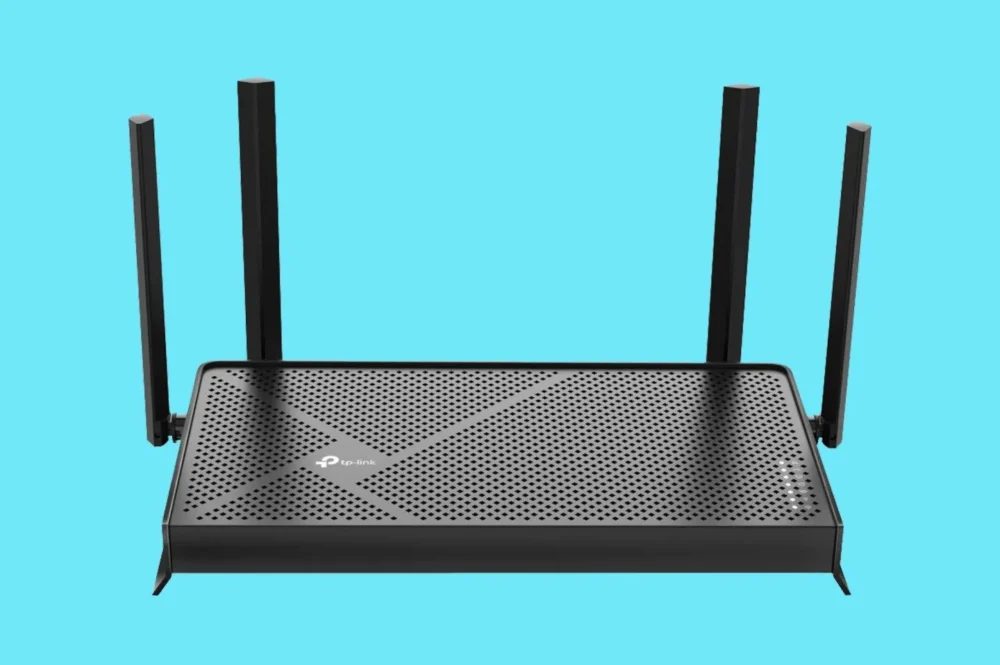
JustUpdateOnline.com – AUSTIN, Texas — The state of Texas has officially filed a lawsuit against TP-Link, a prominent manufacturer of networking hardware, over allegations that the company maintains ties that could facilitate foreign surveillance. The legal action marks a significant escalation in the scrutiny of international technology firms operating within the United States.
Concerns Over Data Privacy and National Security
The litigation, spearheaded by the Texas Attorney General’s office, contends that the hardware produced by the company poses a potential threat to the privacy of American citizens. According to the filing, there are concerns that the devices, which include home routers and smart connectivity tools, could be leveraged by foreign entities for intelligence-gathering purposes.
Texas officials argue that the manufacturer’s corporate framework and its relationship with the Chinese government create an environment where sensitive data could be accessed or monitored without authorization. The state is seeking to address what it describes as a critical vulnerability in the digital infrastructure used by millions of residents and various state agencies.
A Growing Trend of Technological Scrutiny
This legal challenge follows a series of similar actions taken by both state and federal authorities to limit the influence of foreign technology in sensitive sectors. Over the past several years, companies with perceived links to overseas governments have faced increased regulatory hurdles and bans due to national security apprehensions.
In the case of TP-Link, Texas authorities are focusing on the potential for "backdoor" access—security flaws that could allow third parties to bypass standard encryption and monitor network traffic. The state maintains that protecting the digital sovereignty of its citizens is a top priority, necessitating strict oversight of companies providing essential internet hardware.
Potential Impact on the Tech Market
The outcome of this lawsuit could have far-reaching implications for the consumer electronics industry. If Texas is successful in its legal pursuit, it could set a precedent for other states to take similar actions against international hardware providers.
For consumers, the legal battle raises questions about the long-term reliability and security of their home networking setups. While the company has previously defended its security protocols and denied allegations of improper state influence, this formal legal challenge forces a public examination of its internal practices and data handling policies.
As the case progresses through the court system, tech analysts and privacy advocates will be watching closely to see how the state defines the boundaries of corporate transparency and the requirements for foreign-owned firms to operate within the U.S. market.