

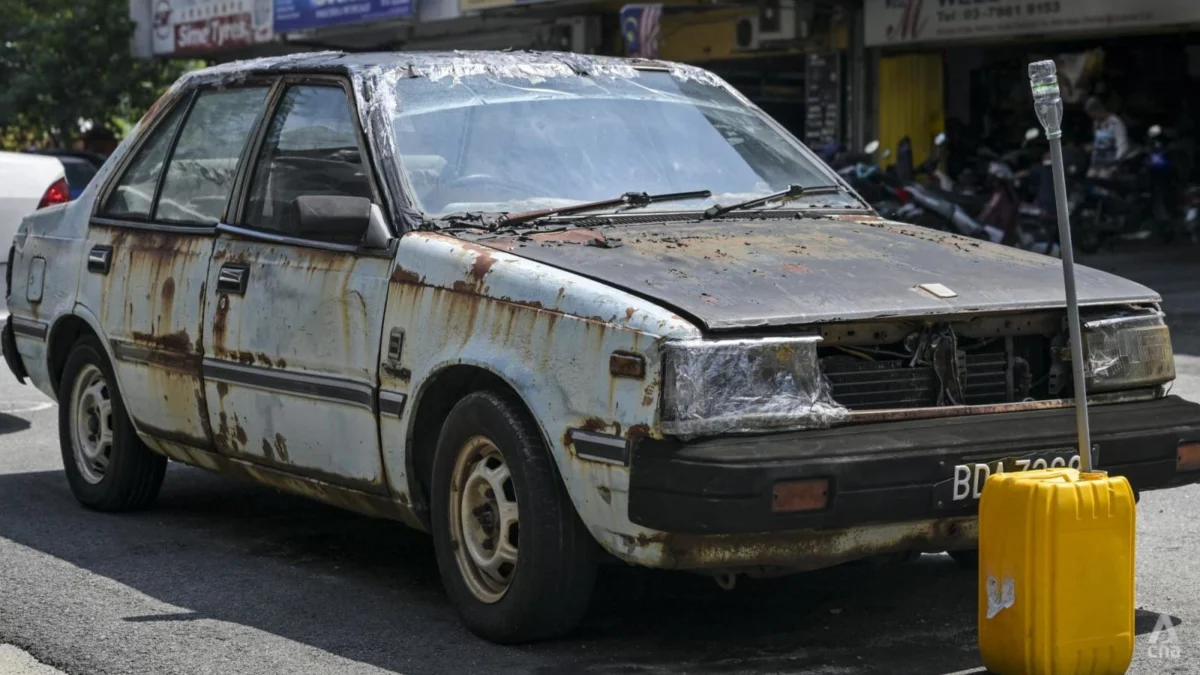
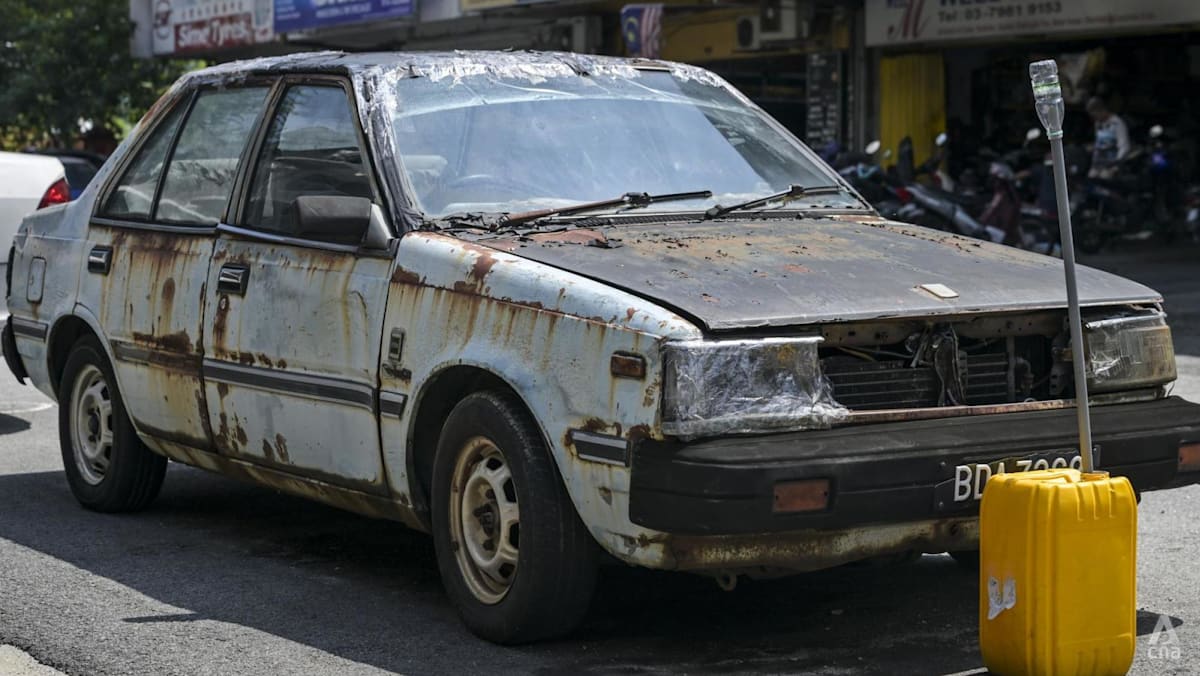
JustUpdateOnline.com – Kuala Lumpur. The narrow streets of Taman United, a densely populated suburb on the fringes of Malaysia’s capital, are increasingly choked by the decaying remains of abandoned vehicles. These "zombie cars"—identifiable by their rusted frames, shattered windows, and flat tires—have become a permanent fixture in many residential areas, obstructing traffic and occupying vital parking spaces.
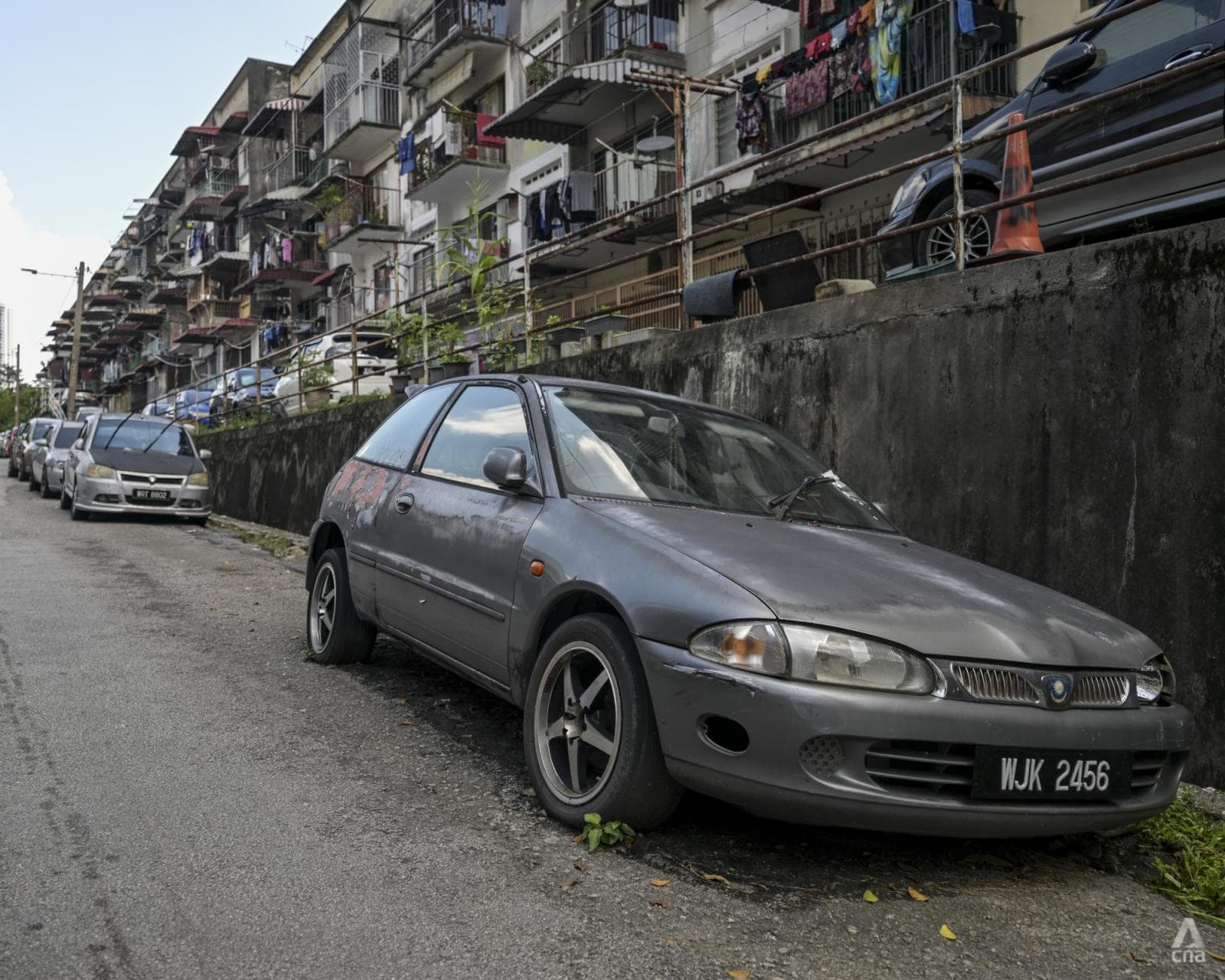
In the shadows of aging apartment blocks, derelict vehicles are often found plastered with years-old traffic summonses and advertisements for scrap metal services. One long-term resident, a retiree identified only as Mr. Ng, pointed out a grey Proton that has sat motionless since the 2020 pandemic lockdowns. Deprived of its steering wheel and license plates, the vehicle has become a breeding ground for mold and a symbol of local frustration.
A Growing Urban Nuisance
The scale of the issue is significant. Between 2022 and 2025, Kuala Lumpur City Hall (DBKL) successfully towed more than 4,500 abandoned units following nearly 10,000 public complaints. These vehicles are more than just eyesores; they often become havens for pests and exacerbate urban congestion, particularly around low-cost housing projects and automotive repair shops.
Data from late 2024 suggests that approximately 14.15 million registered vehicles in Malaysia are currently inactive, representing a massive backlog of scrap, damaged, or deserted automobiles that remain on the national registry.
Beyond aesthetics, these vehicles pose security risks. Jimmy Puah, a Member of Parliament for Tebrau, recently highlighted concerns that abandoned cars are being exploited by criminal elements. In some instances, these stationary shells are reportedly used as "dead drops" for narcotics transactions, providing a discreet location for dealers to exchange money and drugs.
Legal Hurdles and Proposed Reforms
Currently, the process of removing a derelict vehicle is a bureaucratic marathon that can last up to four months. Authorities must first issue a formal notice, tow the car to a holding facility, and then coordinate with the police and the Road Transport Department to verify ownership or criminal history. The most significant bottleneck is the legal requirement to obtain a court order before a vehicle can be scrapped or sold—a phase that alone can take 90 days.
To address this, Housing and Local Government Minister Nga Kor Ming has indicated that the federal government is reviewing enforcement guidelines. The goal is to allow local councils to utilize existing federal statutes to bypass lengthy court proceedings, thereby accelerating the disposal of unclaimed property.
However, legal experts urge caution. Property dispute lawyer Julian Chan noted that while speed is necessary, it must not come at the expense of an individual’s right to defend their property. He suggested that a clearer legal definition of "abandoned" is required, alongside a simplified appeals process for owners.
Why Owners Walk Away
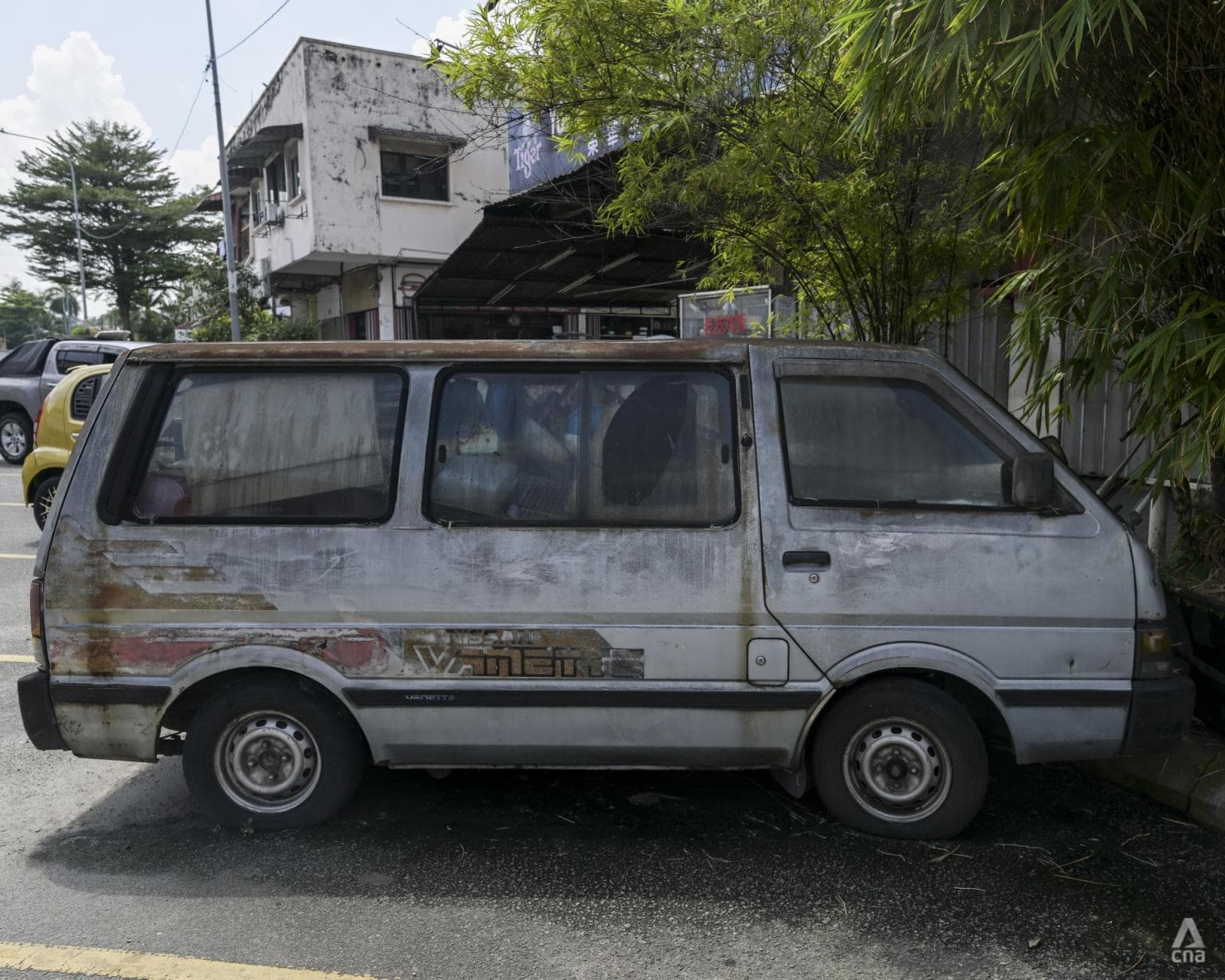
The reasons for abandoning a vehicle are varied. Some owners hold onto cars for sentimental reasons, while others find that the resale value is lower than the cost of repairs or the logistics of selling it.
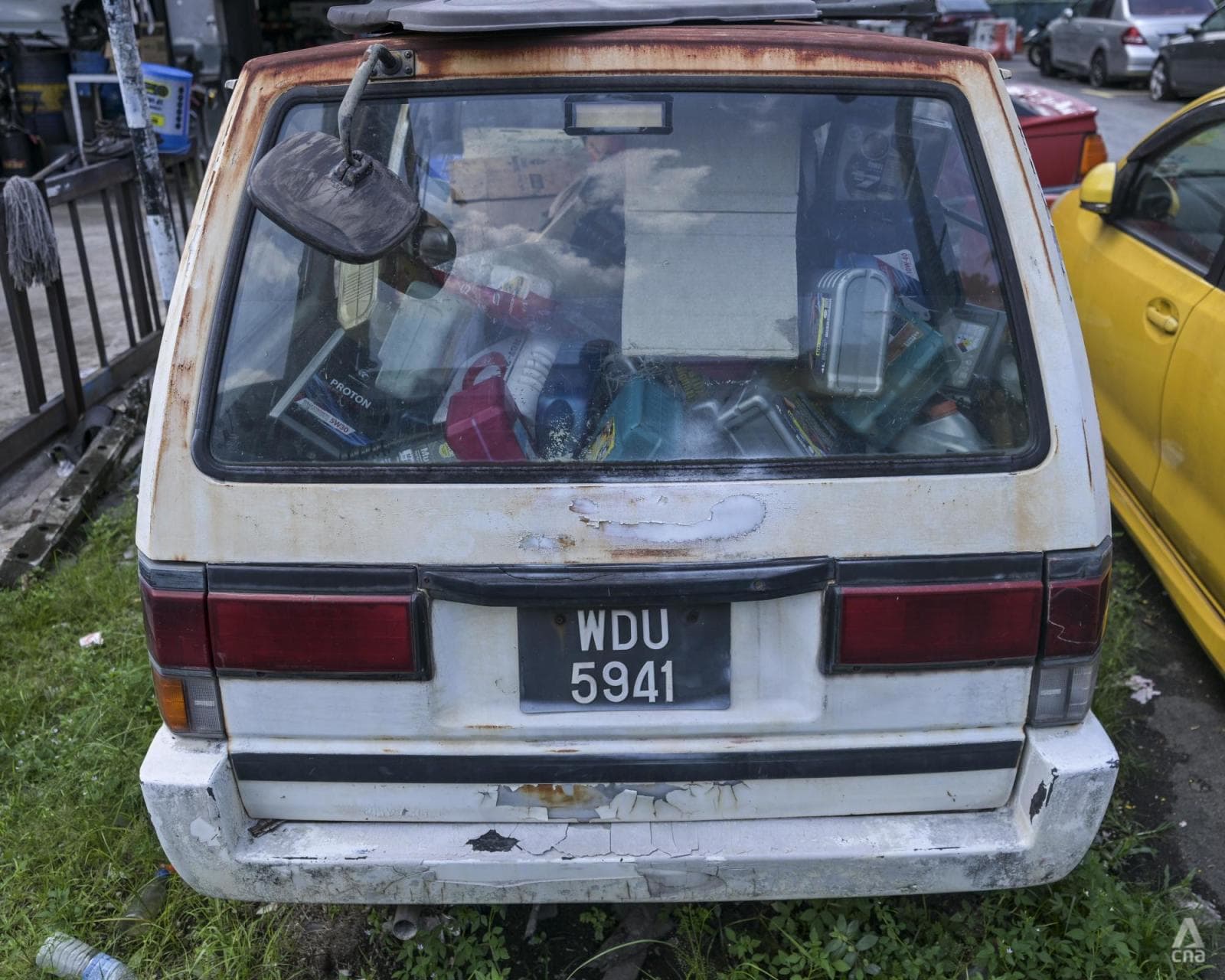
Interestingly, not every seemingly abandoned vehicle is truly deserted. In some commercial areas, business owners intentionally park old vans to "reserve" loading zones or use them as makeshift storage units for street vending equipment.
Incentivizing Responsible Disposal
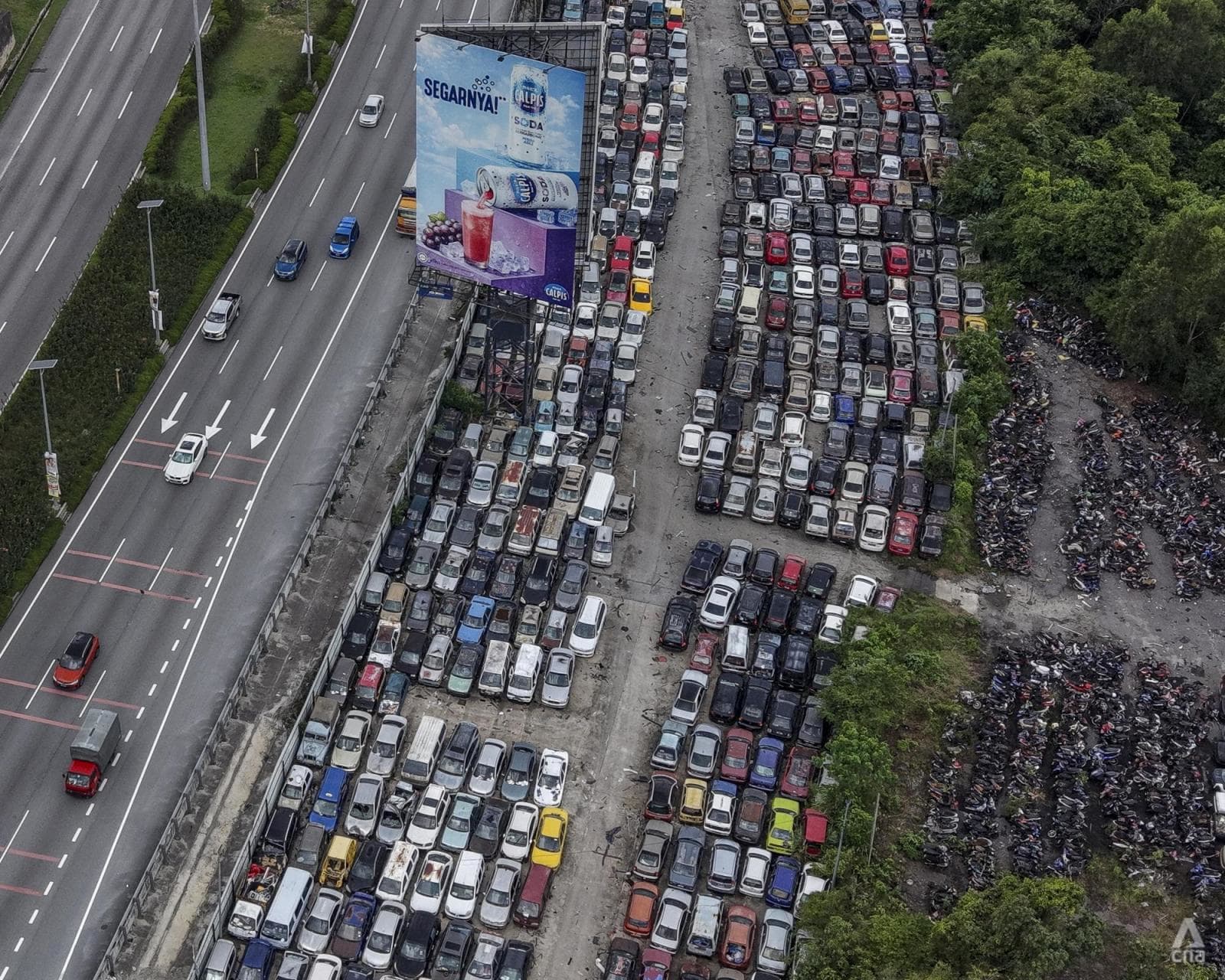
In an effort to clear the streets without conflict, DBKL has introduced a voluntary disposal scheme. Residents in public housing areas can surrender their unwanted vehicles through a simplified online process. Depending on the car’s condition and type, owners can receive between RM100 and RM2,000 (approximately $22 to $450) as an incentive to clear the space.
While some residents feel the government response has been slow, former DBKL advisory board member Andre Lai remains optimistic. He acknowledged the manpower constraints and the complexity of distinguishing between genuine abandonment and neighborly disputes, but he believes the new initiatives will eventually resolve the "zombie car" epidemic plaguing the nation’s streets.
