

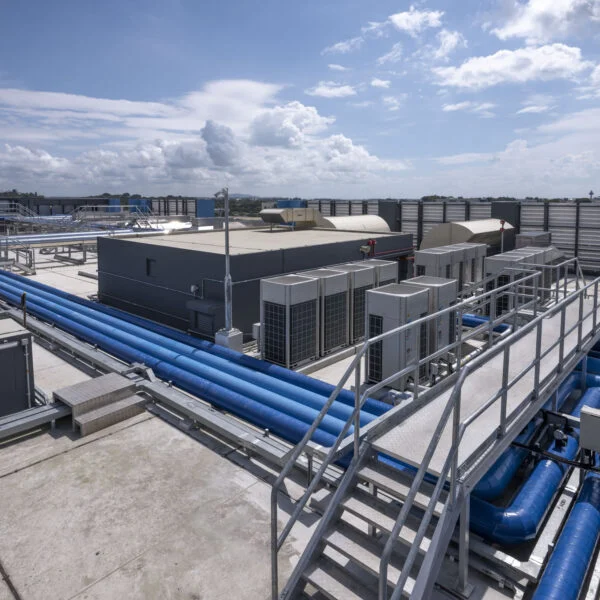
JustUpdateOnline.com – As the race to develop artificial intelligence intensifies across Asia, the focus is rapidly shifting from simply securing financial commitments to ensuring these massive projects provide enduring benefits for host nations. While the influx of capital into digital infrastructure is reaching record levels, industry experts suggest that the true measure of success lies in the permanent improvements left behind in local communities and national economies.
Malaysia has emerged as a primary destination for this new wave of investment. The nation’s appeal is bolstered by its robust connectivity, established industrial framework, and a growing pool of technical talent. Furthermore, proactive government policies aimed at accelerating the digital economy have positioned Malaysia as a strategic hub for Southeast Asian technological growth.
However, the current surge in data center development and digital networking is more than just a construction boom. Experts argue that these projects should be viewed with the same historical significance as the building of railways and power grids. Just as those earlier innovations defined the layout of cities and the trajectory of industries, today’s digital infrastructure will determine the economic landscape for future generations.
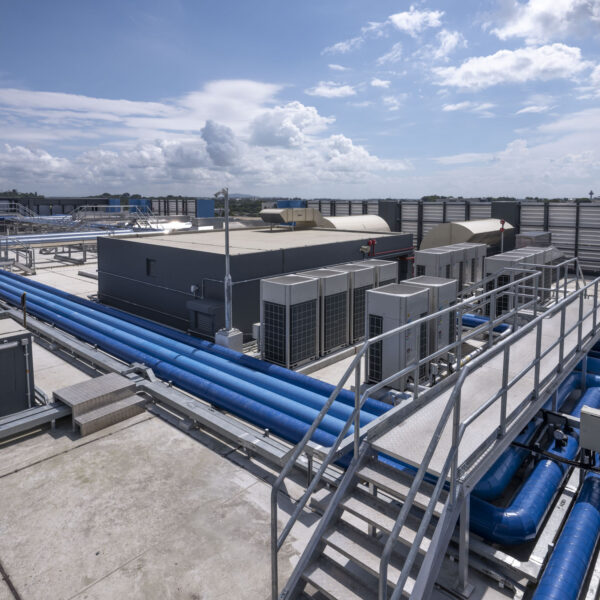
To maximize these benefits, a more integrated approach to urban and industrial planning is required. Rather than treating data centers as isolated entities, they should be woven into the fabric of national resource management. This includes aligning digital projects with renewable energy initiatives, modernizing water recycling systems, and coordinating transport networks around emerging technology districts. By involving utility providers and environmental stakeholders early in the process, developers can ensure that new facilities do not place an undue burden on local resources.
Public sentiment is also playing an increasingly vital role in how these investments are received. Residents in areas targeted for development are seeking assurances regarding high-quality employment, opportunities for local businesses, and the responsible use of electricity and water. Meeting these expectations requires a higher standard of transparency and a commitment to shared outcomes between the private sector and the public.
The workforce is another critical component of this transition. For digital investments to be truly transformative, they must foster deep partnerships with academic institutions and vocational training centers. This collaboration ensures that the construction and operation of high-tech hubs create clear career pathways for local workers in fields such as engineering, technology, and facility management.
Ultimately, the goal for Malaysia and its neighbors is to move beyond the question of how to accommodate the AI boom and instead ask how these investments can solve broader national challenges. By prioritizing a "system-wide" planning model, the region can ensure that the current digital gold rush results in more resilient infrastructure, a more competitive tech sector, and a lasting positive impact on society. The value of today’s investment will not be judged by the initial billions spent, but by the strength of the foundation it leaves for the future.
