

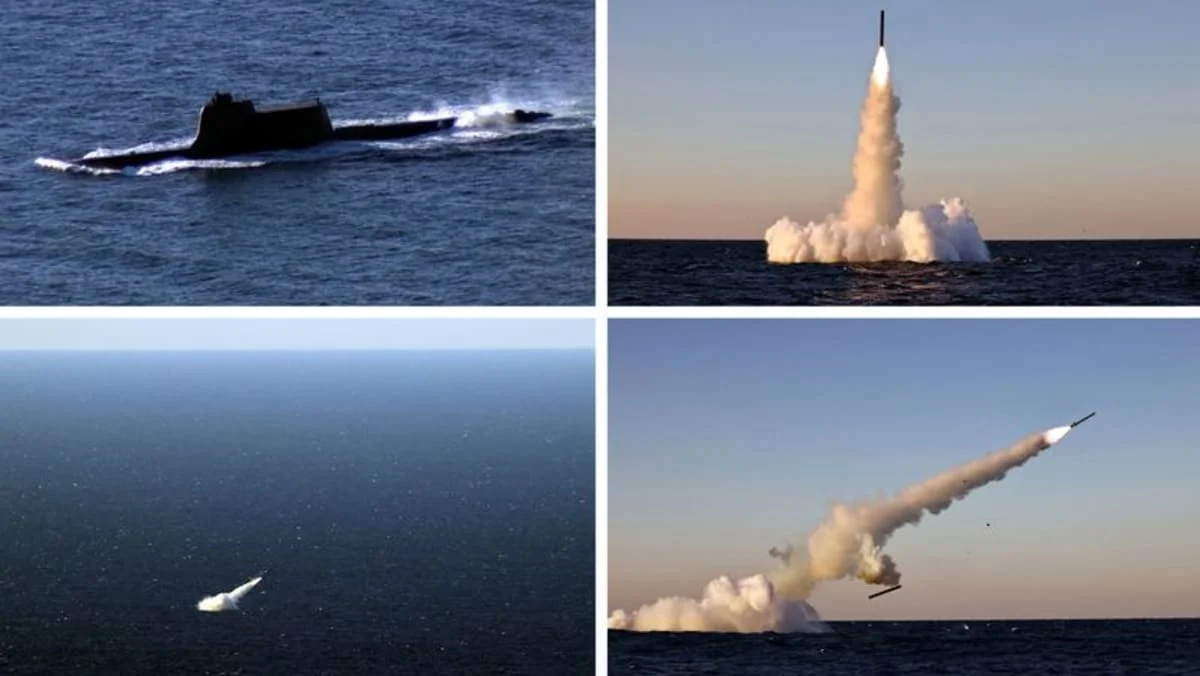
JustUpdateOnline.com – Recent weeks have seen a sharp rise in friction between North and South Korea, as weapon demonstrations and border skirmishes spark fears that a minor miscalculation could ignite a major military confrontation. Analysts suggest that the current climate is not merely a repeat of past provocations but represents a fundamental transformation in how the two neighbors interact.
A New Reality on the Peninsula
While experts like Lami Kim from the International Institute for Strategic Studies (IISS) believe neither side desires a full-scale war due to the catastrophic costs involved, the lack of open communication channels makes the situation increasingly volatile. The refusal of Pyongyang to engage in dialogue with Seoul means that even a localized incident could rapidly spiral out of control.
Christopher Green, a senior consultant with the International Crisis Group (ICG), noted that while the situation is not necessarily more perilous than previous peaks of tension, the underlying "phase" of the relationship has shifted. This change is driven largely by North Korea’s decision to abandon its long-standing goal of reunification, now officially labeling South Korea as a "hostile state."
Escalation at the Border
The latest wave of hostility includes North Korea’s launch of numerous short-range ballistic missiles and claims of testing cluster bomb warheads. Furthermore, Pyongyang recently condemned joint military exercises between Washington and Seoul, labeling them as rehearsals for nuclear warfare and pledging to bolster its own deterrent capabilities.
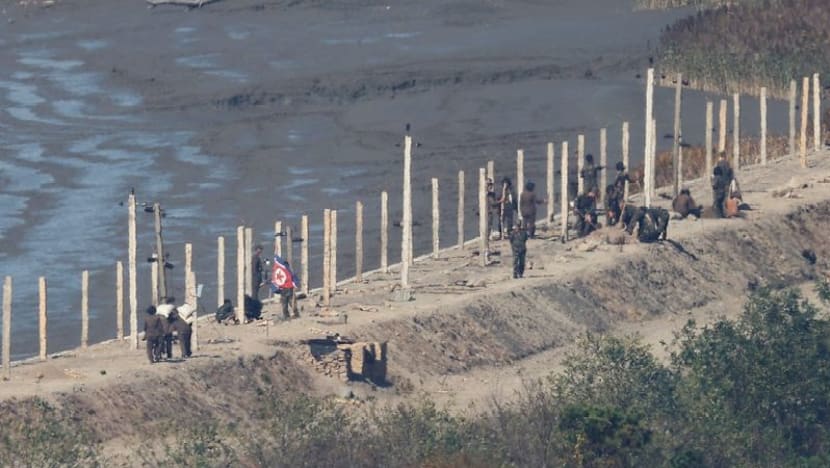
Tensions on the ground are equally high. In September, several South Korean officers were severely injured by landmine explosions near the border. In response, Seoul has considered resuming loudspeaker propaganda, while Pyongyang has fortified its side of the Demilitarized Zone (DMZ) with nearly a million landmines, anti-tank obstacles, and tactical roads since early 2024.

Changing Strategic Calculus
A critical factor distinguishing this period from previous ones is North Korea’s official pivot. By constitutionally defining South Korea as a separate, enemy entity, Kim Jong Un has signaled that his government is no longer interested in the traditional cycle of seeking diplomatic leverage or economic concessions through provocation.
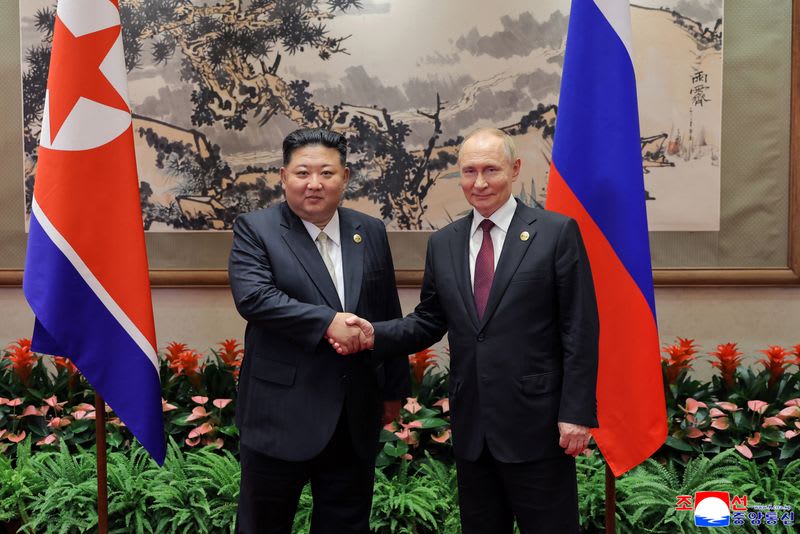
Furthermore, North Korea’s strategic position has evolved due to its strengthening alliances with Russia and China. According to analysts, Pyongyang now benefits from reliable trade and military cooperation with Moscow, reducing its reliance on the prospect of aid from the West or South Korea. Its military support for Russia’s efforts in Ukraine has further solidified this partnership, giving Kim Jong Un more confidence in his nuclear deterrent.
Comparison to Past Crises
The current standoff mirrors the 2015 landmine crisis, where a similar incident nearly led to open conflict. However, observers note that the political landscape has shifted significantly since then. In 2015, firm military responses eventually led to high-level talks and a de-escalation agreement. Today, however, the 2018 military pact intended to prevent accidental clashes has been largely abandoned, and direct hotlines remain silent.
Rachel Minyoung Lee, a senior fellow at the Stimson Center, warns that by treating the South as a foreign enemy rather than a "broken half" of a single nation, North Korea may feel less politically constrained regarding the use of force, including its nuclear arsenal.
The Risk of Unintended War
The primary concern for regional security is the high probability of a "tit-for-tat" escalation. Without functioning communication lines, it is difficult for either side to distinguish between a symbolic show of strength and a genuine preparation for an attack.
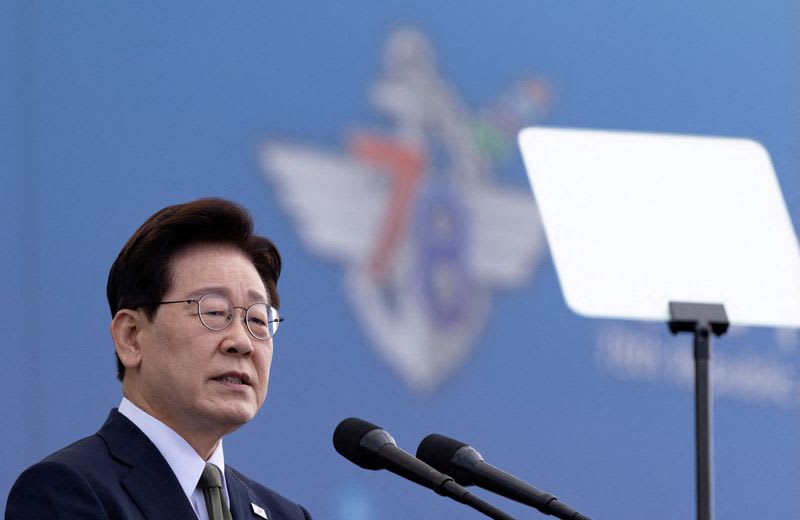
Despite the heated rhetoric and military posturing, there are few indications that a full-scale invasion is imminent. Observers point out that North Korean state media has largely kept these border tensions away from its domestic audience, suggesting that the regime may be keeping its options open. Nevertheless, the situation remains a delicate balancing act for President Lee Jae Myung’s administration in Seoul, which must project strength to reassure the public while avoiding a spark that could lead to a broader conflagration.
