


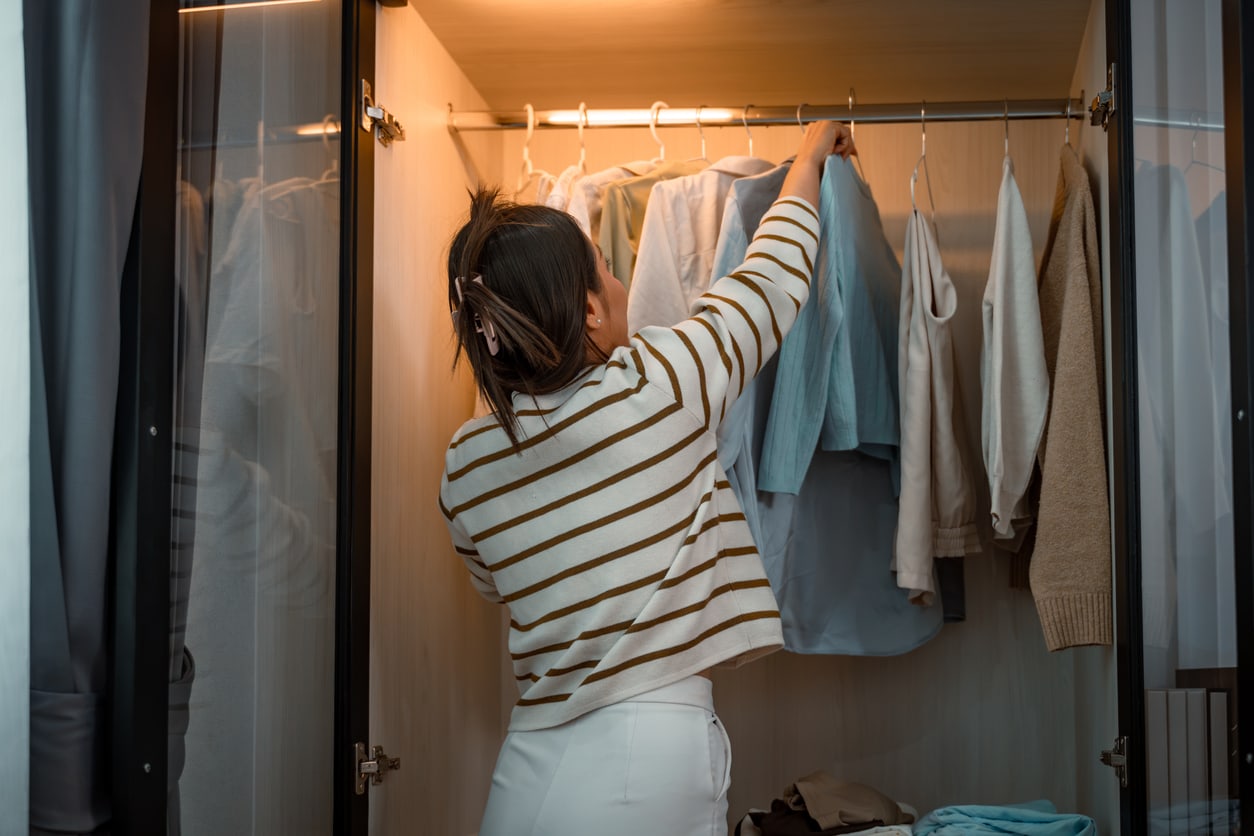
JustUpdateOnline.com – It is a scene played out in bedrooms across the world: standing before a wardrobe bursting with garments, yet feeling as though there is absolutely nothing to wear. This common frustration often leads to the same conclusion—that it is time to go shopping. However, experts suggest that the solution to this morning dilemma isn’t adding more items to the pile, but rather understanding the psychological and organizational hurdles standing in your way.
The Identity Gap in Your Wardrobe
According to Dr. Adriana Giotta, a clinical psychologist and former international fashion model, the phrase "I have nothing to wear" is rarely a literal truth. Instead, it reflects a disconnect between the clothes available and the person’s current state of mind. Giotta describes a closet as a "written autobiography," containing relics of who we used to be—past professional roles, younger versions of ourselves, or even "fantasy" lives that never materialized.

When our lifestyle, body shape, or personal tastes evolve, the clothes tied to our former selves remain. This creates a cluttered space that feels empty because the items no longer represent our current identity or physical reality.
The Weight of Decision Fatigue
Psychological factors also play a significant role in the daily struggle to get dressed. Dr. Aloysius Tay, a lead psychologist at The Psychology Clinic, notes that when individuals are overwhelmed by work, family, or stress, their mental capacity for making even minor choices diminishes.
Selecting an outfit involves several micro-decisions: Is it appropriate for the weather? Does it match? How will others perceive me? When the mind is already taxed by deadlines or exhaustion, these small choices become a source of "choice overload." On days when one is well-rested and calm, the same wardrobe that felt impossible to navigate suddenly seems manageable.
The 80/20 Rule and Visibility Issues
Professional organizers see the problem from a more practical perspective. Debby Kwong, founder of the home-organizing business Sortorial, points out that most people only wear about 20% of their wardrobe. The remaining 80% often consists of impulse buys that don’t match anything else or "identity anchors" from the past.
Visibility is another major hurdle. "Out of sight, out of mind" is a reality for many closets. When clothes are packed too tightly or buried in deep stacks, people forget what they own. This often leads to "duplicate buying," where individuals purchase nearly identical items because the original is hidden away.
Better Ways to Organize
To combat this, Kwong suggests a shift in how we arrange our spaces. Rather than sorting strictly by color, she recommends organizing by category—grouping blazers, trousers, and silk tops separately. Within those categories, items can then be sorted by sleeve length and then color. This method allows for quicker decision-making based on the day’s specific needs and weather.

Other practical tips include:
- Using Slim Hangers: Uniform, thin hangers save space and prevent clothes from being crushed together.
- Vertical Folding: Using techniques like "file folding" for knitwear and athletic gear allows you to see every item in a drawer at a glance.
- The Three-Question Test: Before keeping an item, ask: Does it fit well now? Does it suit my current lifestyle? Does it represent who I am today?
Breaking the Shopping Cycle
When faced with a wardrobe crisis, the urge to buy something new is strong. Dr. Giotta explains this as "symbolic repair"—the temporary fantasy that a new garment will create a "new version" of ourselves. While a new dress might provide a momentary boost in confidence or excitement, it cannot solve underlying issues like body dissatisfaction or identity shifts.
Before making a new purchase, Kwong advises a "three-match rule": ask if the new item can be paired immediately with at least three things you already own. If not, it will likely just become part of the 80% that stays unworn.

Creating a Functional Collection
The goal isn’t necessarily to become a minimalist, but to make the wardrobe work for the user. Dr. Tay suggests preparing outfits the night before to reduce morning stress. Meanwhile, Kwong recommends identifying an "anchor collection"—a set of 10 go-to pieces that serve as a reliable foundation for the week.
By focusing on quality over quantity and ensuring that our clothes reflect our current lives, we can transform the act of getting dressed from a stressful chore into a simple, meaningful routine. As Giotta notes, being more selective allows us to value and truly enjoy the items we already possess.
