

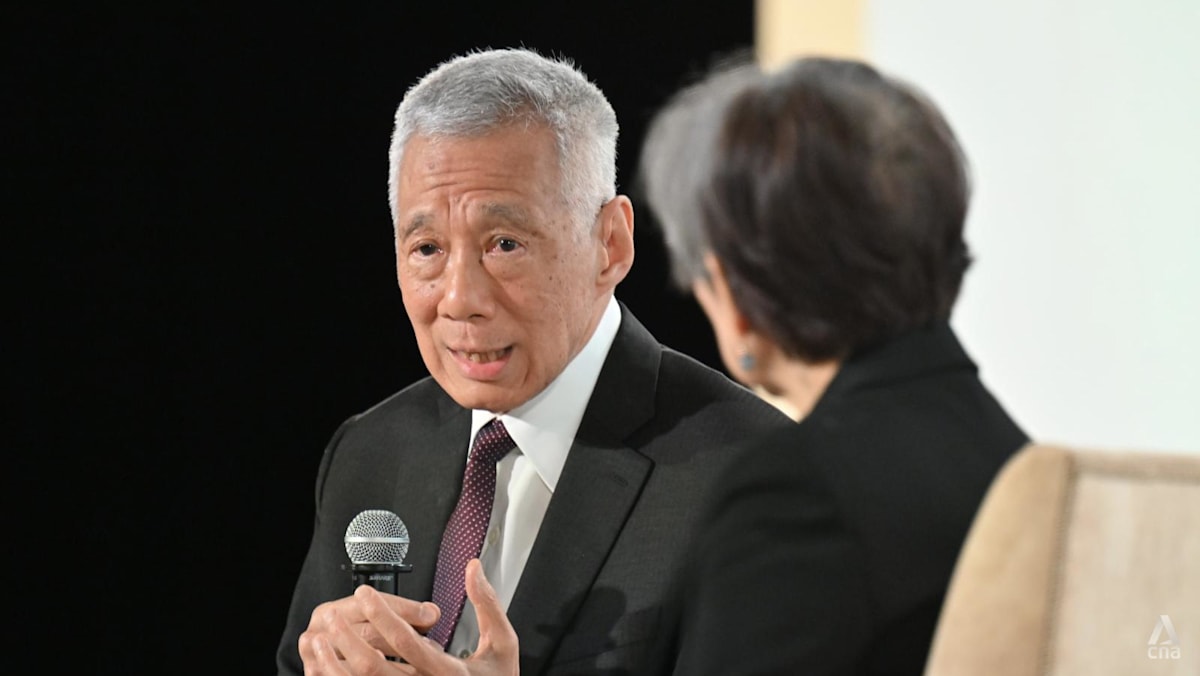
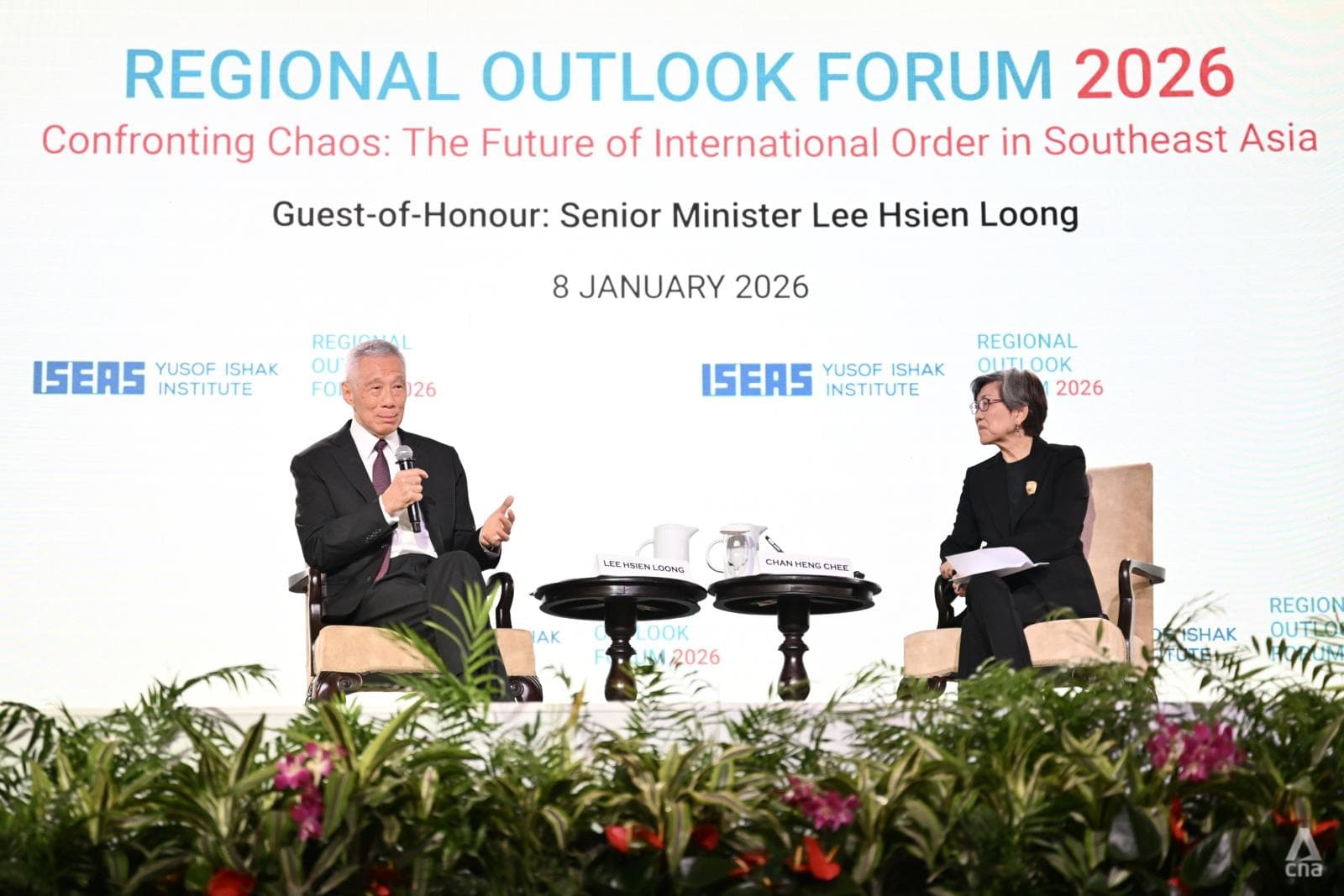
JustUpdateOnline.com – Singapore, Senior Minister and former Prime Minister Lee Hsien Loong has voiced grave concerns regarding recent United States military operations in Venezuela, characterizing such actions as a breach of the United Nations Charter and established international legal frameworks. Speaking at an academic gathering on Thursday (Jan 8), Lee warned that the shift toward unilateralism by major powers poses a significant threat to the global order.
During the Regional Outlook Forum 2026, hosted by the ISEAS – Yusof Ishak Institute, Lee acknowledged that Venezuela is a "complex state" grappling with deep-seated issues, including refugee crises, narcotics trafficking, and questions regarding governmental legitimacy. However, he emphasized that these internal problems do not provide a legal basis for a foreign power to intervene militarily without proper international authorization.
The Precedent of Unilateral Action
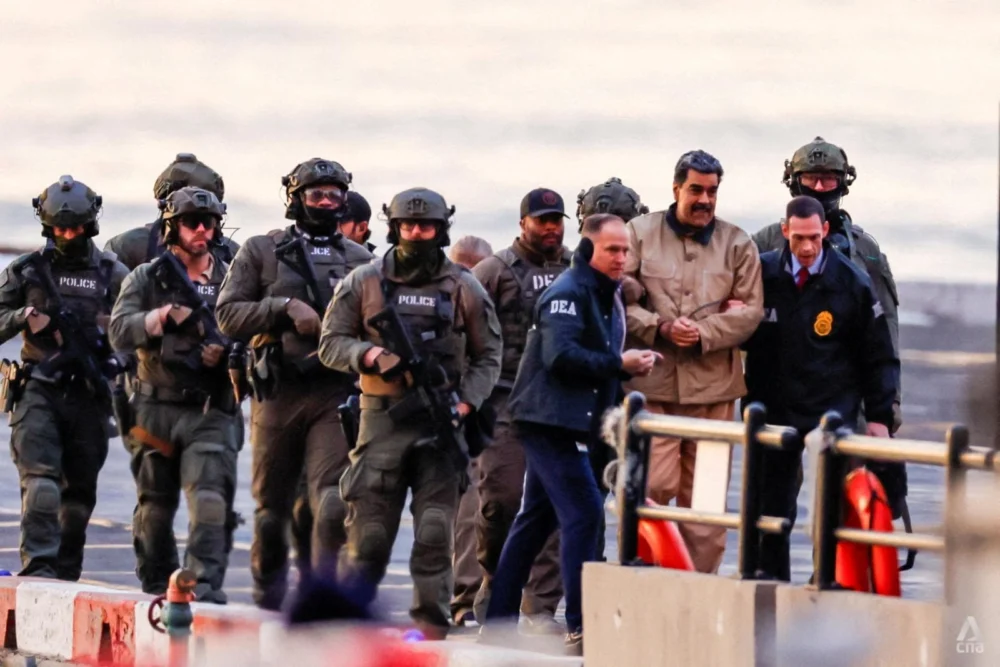
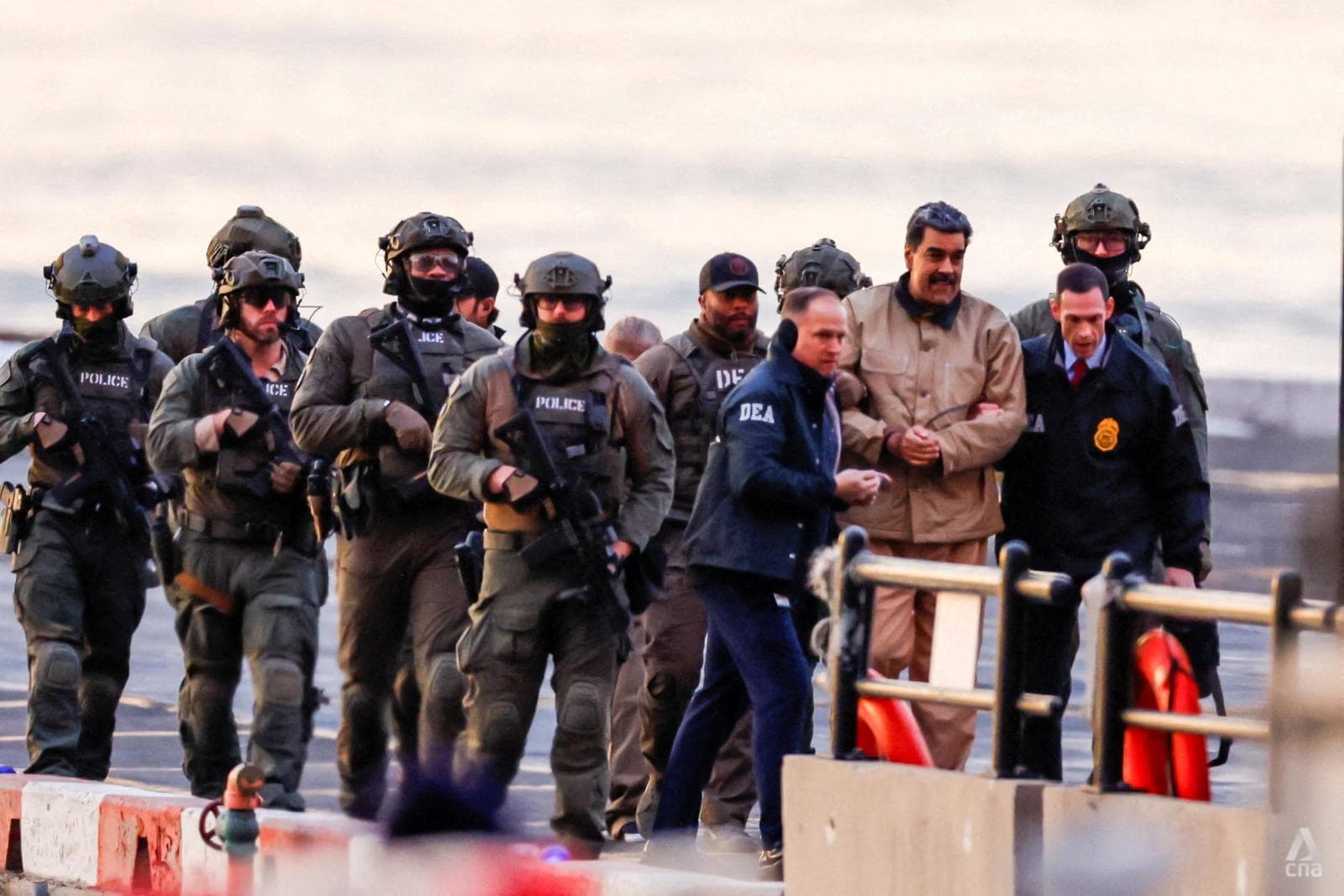
The comments follow a January 3 operation in which U.S. forces apprehended Venezuelan President Nicolas Maduro and his wife, Cilia Flores. Maduro, who was subsequently flown to New York, has pleaded not guilty to federal charges involving narco-terrorism and weapons possession.
While such operations might be perceived as "spectacular military successes" in the short term, Lee argued that the long-term ramifications for the international system are deeply troubling. He noted that for smaller nations, a world where unilateral force dictates outcomes creates an environment of extreme vulnerability.
Singapore’s Ministry of Foreign Affairs echoed this sentiment earlier in the week, reaffirming the nation’s dedication to the sovereignty and territorial integrity of all states. Lee pointed out that Singapore’s stance has remained consistent across decades, citing the nation’s opposition to the 1983 U.S. invasion of Grenada and the 2022 Russian invasion of Ukraine as evidence of its principled foreign policy.
A Changing Global Landscape
According to Lee, the past year has signaled a major strategic pivot. He observed that the U.S. appears increasingly inclined to act independently when it perceives its national interests are at stake. He cited previous strikes on Iranian nuclear sites in mid-2025 and operations in Nigeria as symptoms of this trend.
This shift is forcing other regions to adapt:
- Europe: Continental leaders are currently debating how to strengthen their own defense capabilities to reduce reliance on Washington.
- Ukraine: The nation is facing the necessity of finding a "realistic path forward" as American foreign policy priorities shift.
- Asia-Pacific: Regional players are carefully re-evaluating their positions. While the U.S. remains a vital economic and security partner, China’s growing influence as a primary economic engine cannot be ignored.
Friction in the Taiwan Strait
Addressing the rivalry between Washington and Beijing, Lee described the U.S. as a power seeking to maintain the status quo, while China views its right to development as non-negotiable. This fundamental disagreement keeps tensions high, particularly regarding Taiwan.
Following recent large-scale Chinese military exercises near the island, Lee reiterated Singapore’s "One China" policy. He described the "status quo" in the Taiwan Strait as a dynamic and shifting reality rather than a static one. While the situation remains "deeply concerning," Lee expressed hope that all parties—including the current Trump administration—would exercise enough caution to prevent a full-scale confrontation.
The Future of Global Trade
On the economic front, Lee touched upon the impact of trade tariffs introduced by President Donald Trump. While the immediate fallout has been less severe than some analysts predicted—partly due to the buffering effect of the AI technology boom in the U.S.—the long-term outlook remains cautious.
Lee warned that the world is moving toward a period of decreased stability and slower growth. As nations move to secure their own supply chains and implement retaliatory measures, the era of deep global economic integration may be replaced by a more fragmented and less prosperous landscape.
"We are entering a different world," Lee concluded, suggesting that the geopolitical and economic consequences of these shifts will be felt well beyond 2026.
