

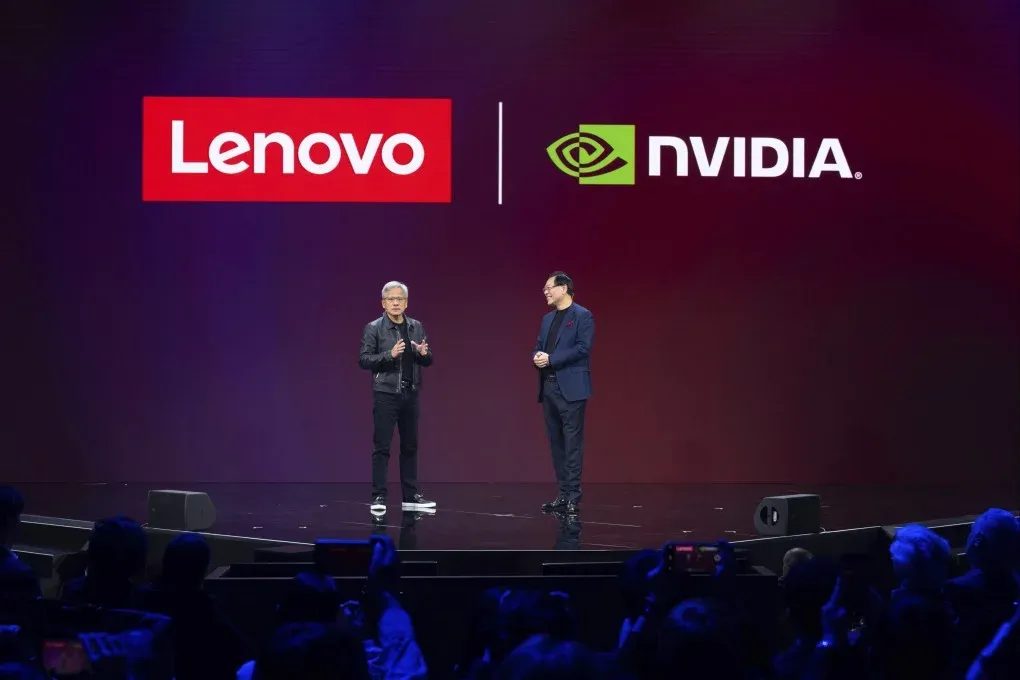
JustUpdateOnline.com – As the global technology industry gathers for CES 2026, Lenovo has taken center stage by unveiling its most ambitious vision for an integrated artificial intelligence environment. The multinational tech giant is shifting its focus toward a comprehensive "AI Device Stack," a strategy designed to bridge the gap between various hardware categories through a unified, intelligent software layer.
This year’s showcase highlights Lenovo’s commitment to moving beyond isolated AI features. Instead, the company is demonstrating how its entire portfolio—including the iconic ThinkPad series, Yoga laptops, and Motorola mobile devices—can operate as a singular, cohesive ecosystem. By embedding high-performance neural processing units (NPUs) across its product line, Lenovo aims to provide users with a seamless transition as they move from their desktops to their handheld devices.
The "AI Device Stack" concept revolves around the idea of a persistent digital assistant that understands a user’s context regardless of the hardware being used. At the event, Lenovo showcased how these advanced AI agents can manage complex workflows, such as automatically summarizing meetings on a laptop and instantly transferring relevant action items and reminders to a smartphone or tablet without manual synchronization.
Beyond productivity, the 2026 lineup places a heavy emphasis on proactive automation. These new systems are designed to learn individual user habits to optimize battery life, enhance cybersecurity in real-time, and customize interface layouts based on the task at hand. This shift marks a transition from reactive computing to a model where the device anticipates the user’s requirements.
Industry experts attending the show have noted that Lenovo’s integrated approach sets a new benchmark for the consumer electronics market. By focusing on the synergy between hardware and software, the company is positioning itself as a leader in the era of hyper-personalized computing. As CES 2026 continues, the emphasis on a "stack" of interconnected AI tools suggests that the future of technology lies not in individual gadgets, but in how intelligently they work together.
