

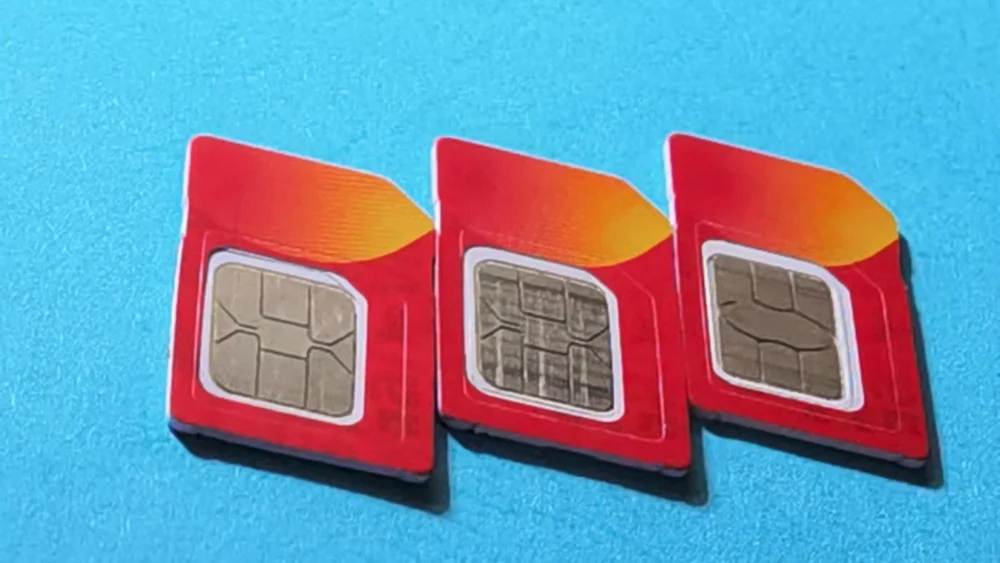
JustUpdateOnline.com – Jakarta, Indonesia is preparing to transition its mobile telecommunications landscape by requiring facial recognition for all new SIM card registrations. Starting January 1, 2026, the government will begin a phased rollout of biometric-based verification, aiming to fully replace traditional registration methods by the middle of that year. This initiative is designed to bolster digital security and ensure that mobile identities are linked to legitimate users.
The transition period will span the first six months of 2026. During this introductory phase, a hybrid system will be in place, allowing consumers to choose between the existing NIK-based SMS registration via 4444 or the new face-scanning technology. However, by July 1, 2026, the biometric system will become the exclusive method for activating any new cellular service in the country.
Crucially, these new regulations specifically target new subscribers. Individuals with currently active mobile numbers do not need to undergo the biometric process or re-register their existing accounts. The policy serves as a forward-looking measure to regulate the entry of new users into the digital ecosystem and minimize the use of fraudulent data.
Authorities are implementing this shift to mitigate the rising tide of cybercrimes, including phishing and identity theft, which often rely on untraceable or falsified phone numbers. To protect user privacy and data integrity, telecom providers are mandated to adhere to international security standards, such as ISO 27001. Additionally, they must utilize advanced liveness detection technologies that meet ISO 30107-2 requirements to prevent the use of static photos or digital masks during the verification process.
The registration process is intended to be user-friendly. Smartphone owners can complete the facial scan independently through official mobile applications provided by their respective carriers. Once the biometric data is successfully verified against government records, the service will be activated immediately.
For those without high-end devices or reliable internet access, the government has ensured that physical assistance remains available. Authorized retail outlets and official service centers will be equipped with the necessary hardware to perform on-site biometric scans. Staff at these locations will assist customers in completing the verification, ensuring that the digital transition remains inclusive for all segments of society.
This policy represents a significant milestone in Indonesia’s efforts to create a more secure digital environment. By integrating facial recognition into the telecommunications infrastructure, the nation aims to foster a more accountable and transparent mobile network, significantly reducing the risks associated with anonymous or illegitimate cellular accounts.
