

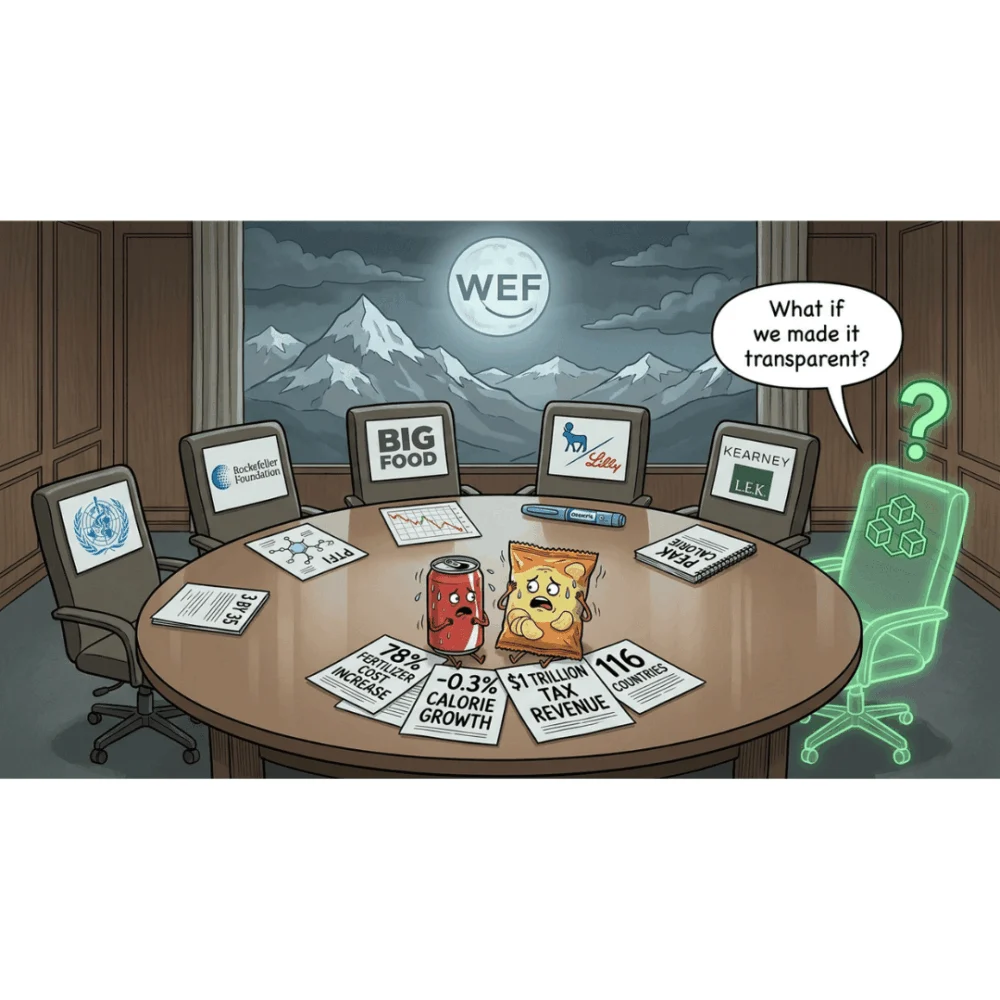
JustUpdateOnline.com – In a landmark consensus aimed at eradicating global malnutrition, some of the world’s most influential figures and wealthiest individuals have reached an agreement on a comprehensive strategy to stabilize the international food supply. While the commitment marks a significant shift in philanthropic and political willpower, experts and advocacy groups argue that the proposed framework overlooks several fundamental causes of chronic food insecurity.
The recently finalized roadmap focuses heavily on massive financial injections and technological interventions. The primary pillars of the plan involve scaling up high-tech agricultural production, optimizing global supply chains, and increasing the distribution of nutrient-dense food products to crisis-prone regions. By leveraging private capital and advanced logistics, the group aims to create a more resilient infrastructure that can withstand sudden market shocks.
However, many analysts suggest that this top-down approach ignores the systemic socioeconomic factors that keep populations in a cycle of poverty. Critics point out that while increasing crop yields is a noble goal, it does not necessarily solve the issue of food affordability or the lack of land rights for small-scale farmers in developing nations. Furthermore, the plan has been scrutinized for its limited focus on ecological sustainability and the long-term impact of industrial farming on soil health.
Another significant omission noted by humanitarian organizations is the lack of emphasis on local sovereignty. Most of the proposed solutions rely on external technology and corporate-controlled seeds, which can lead to a dependency on foreign entities rather than empowering local communities to sustain themselves. Without addressing the underlying issues of regional conflict and economic inequality, a purely financial or technological fix may only offer a temporary reprieve.
As the international community begins to digest the details of this high-level agreement, the conversation is shifting toward how these wealthy donors can better integrate the voices of those living on the front lines of the hunger crisis. While the influx of resources is a welcome development, observers maintain that a truly effective solution must be as inclusive as it is well-funded.
