

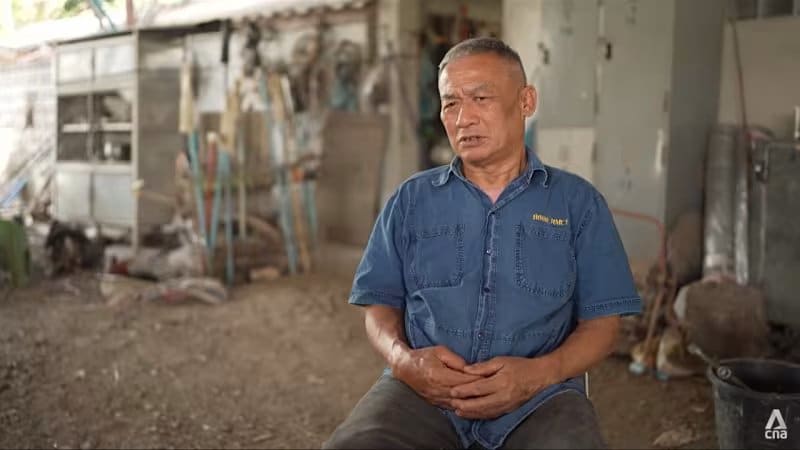
JustUpdateOnline.com – CHIANG RAI, Thailand. For more than sixty years, Thongkham Inprom has cultivated jasmine and glutinous rice in the fertile lands of Chiang Rai. However, the 71-year-old farmer now faces a devastating reality: his crops, which usually yield 60 tons annually, may no longer be fit for consumption or sale.
Recent government inspections have uncovered alarming levels of arsenic in both the soil and water on his farm. While his polished white rice remains within safety margins, his unhusked grain is teetering on the edge of toxicity. According to Somporn Pengkam, director of the Community-led Health Impact Assessment Platform, the danger lies in bioaccumulation.
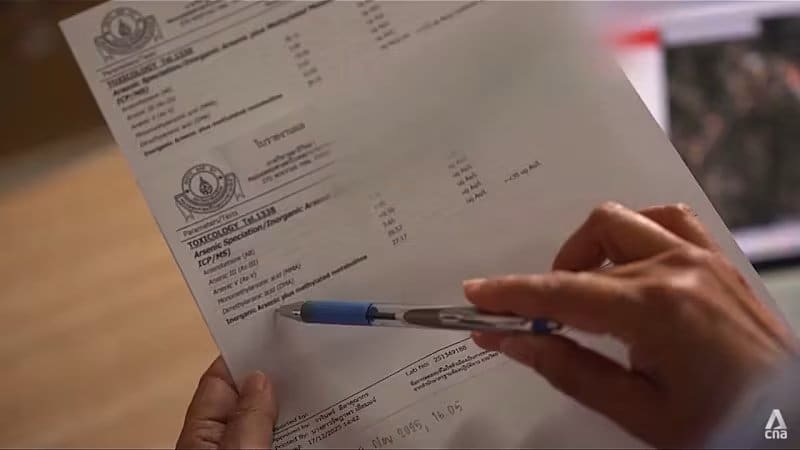
“Even if daily intake seems manageable, these substances build up in the body,” Pengkam explained. She noted that while the kidneys initially attempt to filter out toxins, prolonged exposure eventually leads to organ failure and can trigger various forms of cancer, particularly affecting the bladder and skin. Tests have already confirmed that arsenic levels in Thongkham’s own body are twice the safe limit.
A Ticking Environmental Time Bomb
The contamination is not isolated to a single farm. Thailand’s Pollution Control Department recently identified arsenic concentrations in the Mekong River’s sediment at levels nine times higher than the established safety threshold. Other heavy metals, including manganese and lead, have also been detected in northern tributaries.
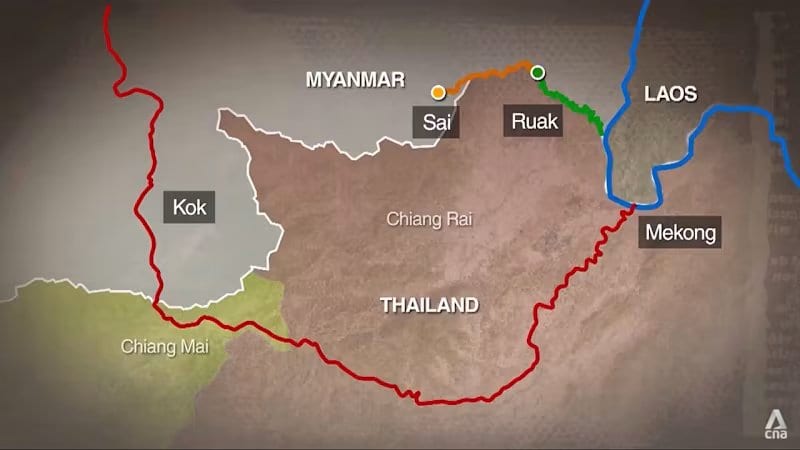
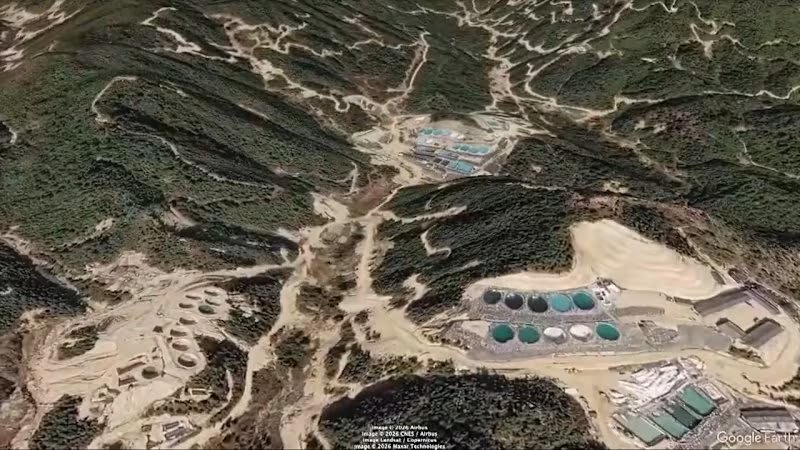
Experts point the finger at the unregulated extraction of rare earth minerals across the border in Myanmar’s Shan State. Rivers like the Sai, Kok, and Ruak flow directly from these mining zones into Thailand. Pianporn Deetes, Executive Director of the Rivers and Rights Foundation, characterized the situation as a form of "transnational organized crime," where toxic waste is dumped into shared river systems without any regard for environmental standards.
Impact on Aquatic Life and Local Economy
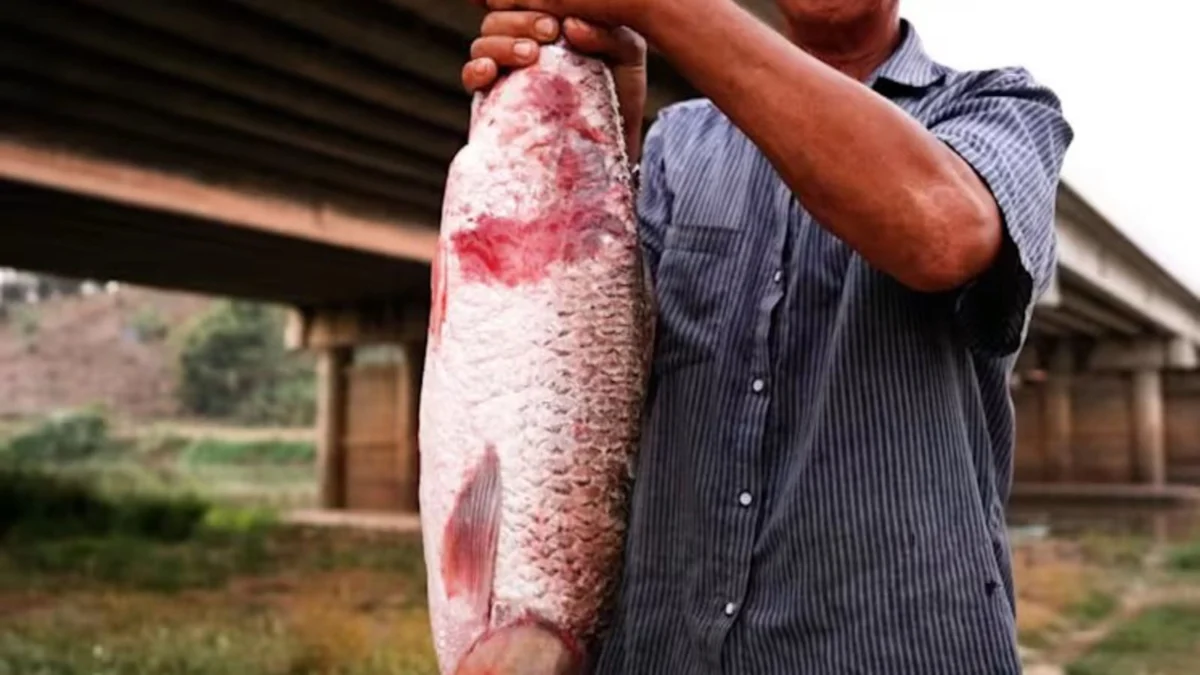
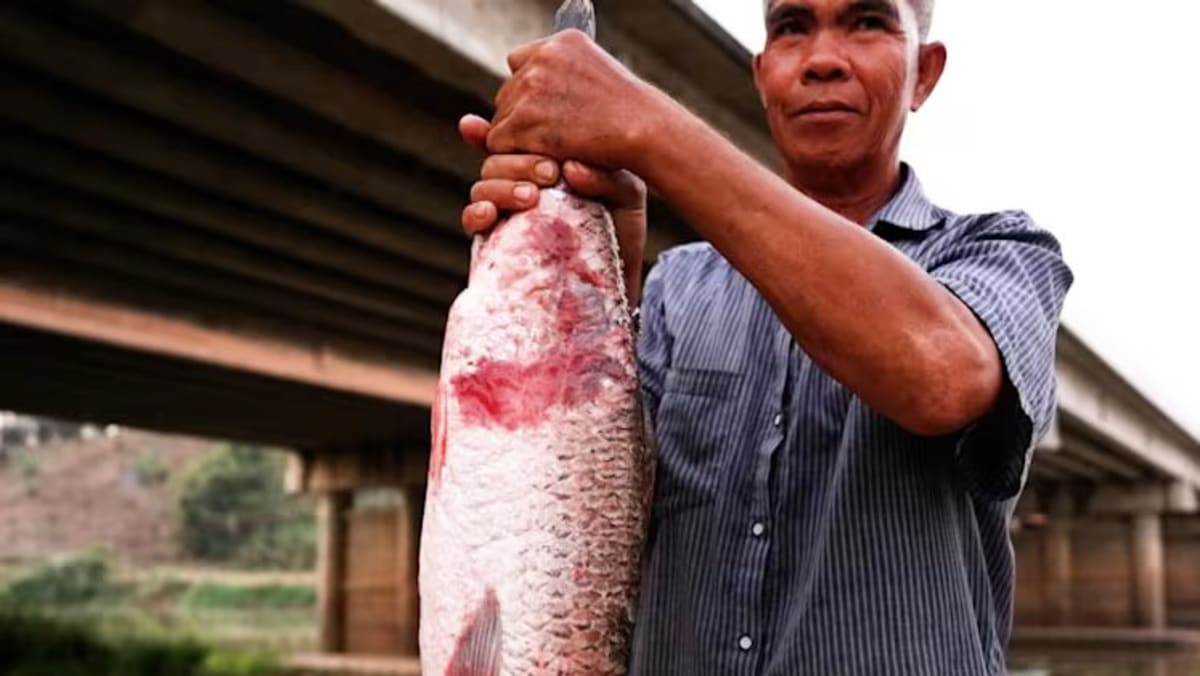
The crisis is also visible beneath the water’s surface. Sukjai Yana, a fisherman with five decades of experience, reported catching numerous fish with physical deformities and lesions. Scientists from Chiang Mai University suggest that chemical exposure has decimated the immune systems of aquatic species, leaving them vulnerable to infections.
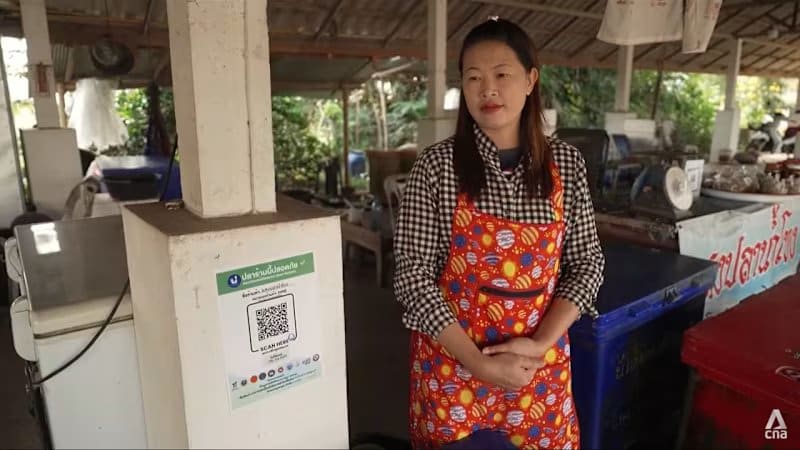
This has caused a panic in local markets. Sangkham Ganjai, a fish vendor, noted that customers vanished almost overnight once news of the pollution spread. To regain public trust, some vendors have resorted to obtaining official certifications and providing QR codes so buyers can verify toxicology reports.

The Geopolitical Roots of Pollution
The surge in mining activities is tied to both the global demand for electronics and Myanmar’s internal instability. As China tightened its own environmental regulations in the mid-2010s, much of the "dirty" mining business shifted across the border into Myanmar’s conflict-prone regions.

Data from the Stimson Center reveals that Myanmar has become the world’s fourth-largest producer of rare earth elements. Nearly 80 percent of the region’s mines are now located in Myanmar, often in areas controlled by ethnic armed groups or border guard forces. These operations are frequently funded by Chinese interests and lack any formal oversight.
Extracting just one ton of rare earth minerals can generate up to 2,000 tons of toxic waste. In the absence of regulation, this wastewater is often pumped directly into the river systems that feed the Mekong.
Seeking a Diplomatic Solution
The Thai government has acknowledged the severity of the issue but warns that there are no quick fixes. Pongpat Samerkum, a senior official at the Department of Water Resources, stated that the immediate priority is finding alternative water sources for local communities. Plans are also underway to install automated water quality monitoring stations to provide real-time alerts.
On the diplomatic front, Thailand is seeking to involve international partners like Japan and Australia to act as mediators with Myanmar. Since many of these minerals are eventually exported to global markets, Thai officials hope that international pressure can encourage cleaner mining practices.
However, with Myanmar still embroiled in civil war, enforcement remains a significant hurdle. Environmental advocates argue that the responsibility also lies with global consumers. The demand for smartphones, laptops, and electric vehicles drives the need for these minerals, suggesting that increased recycling and corporate accountability are essential to curbing the destruction of the Mekong ecosystem.

For farmers like Thongkham, the future remains uncertain. “If we can’t sell our crops, how will we survive?” he asked. “It is a weight that we all have to carry.”
