

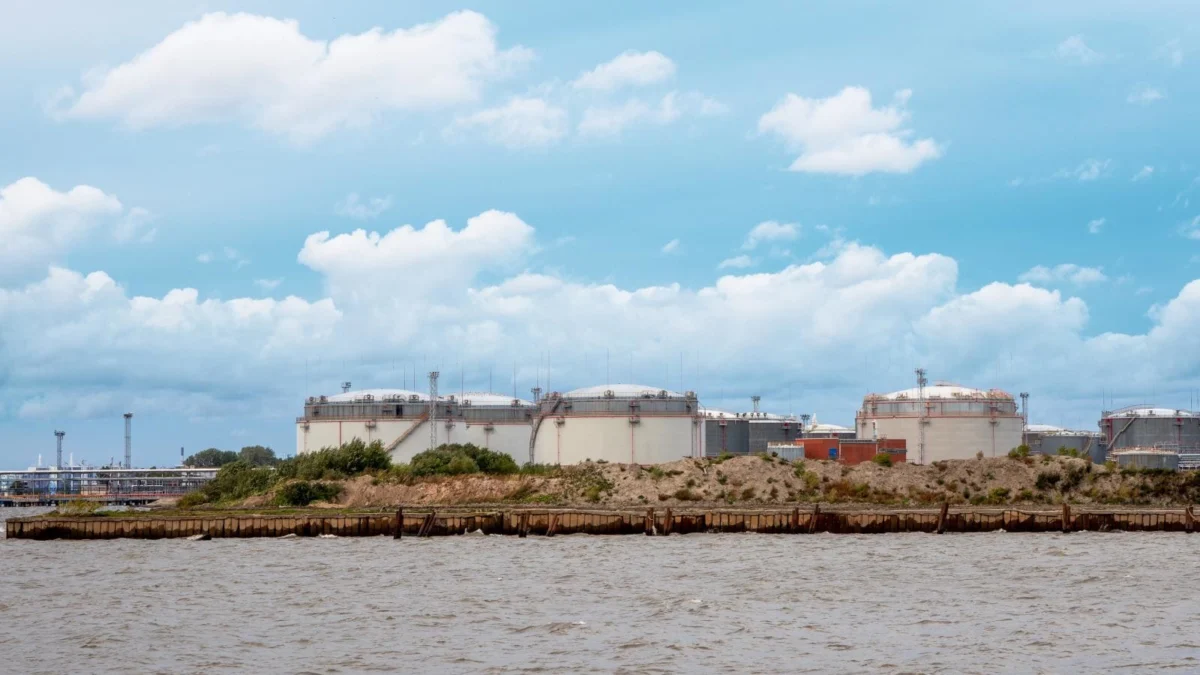
JustUpdateOnline.com – Southeast Asian nations are increasingly prioritizing domestic energy security over potential diplomatic friction with Western powers by exploring the purchase of Russian oil. Analysts suggest that as fuel reserves dwindle across the region, governments are choosing to address immediate economic needs, even if it means risking the disapproval of the United States and its European allies.
The shift in focus comes as the global energy market faces significant volatility. Recently, the U.S. government extended a waiver allowing for the continued trade of Russian petroleum products that were already in transit. While Washington intended this move to prevent a total energy crisis, experts warn that the U.S. likely maintains a critical view of any nation deepening its energy ties with Moscow during the ongoing conflict in Ukraine.
Economic Necessity vs. Diplomatic Risk
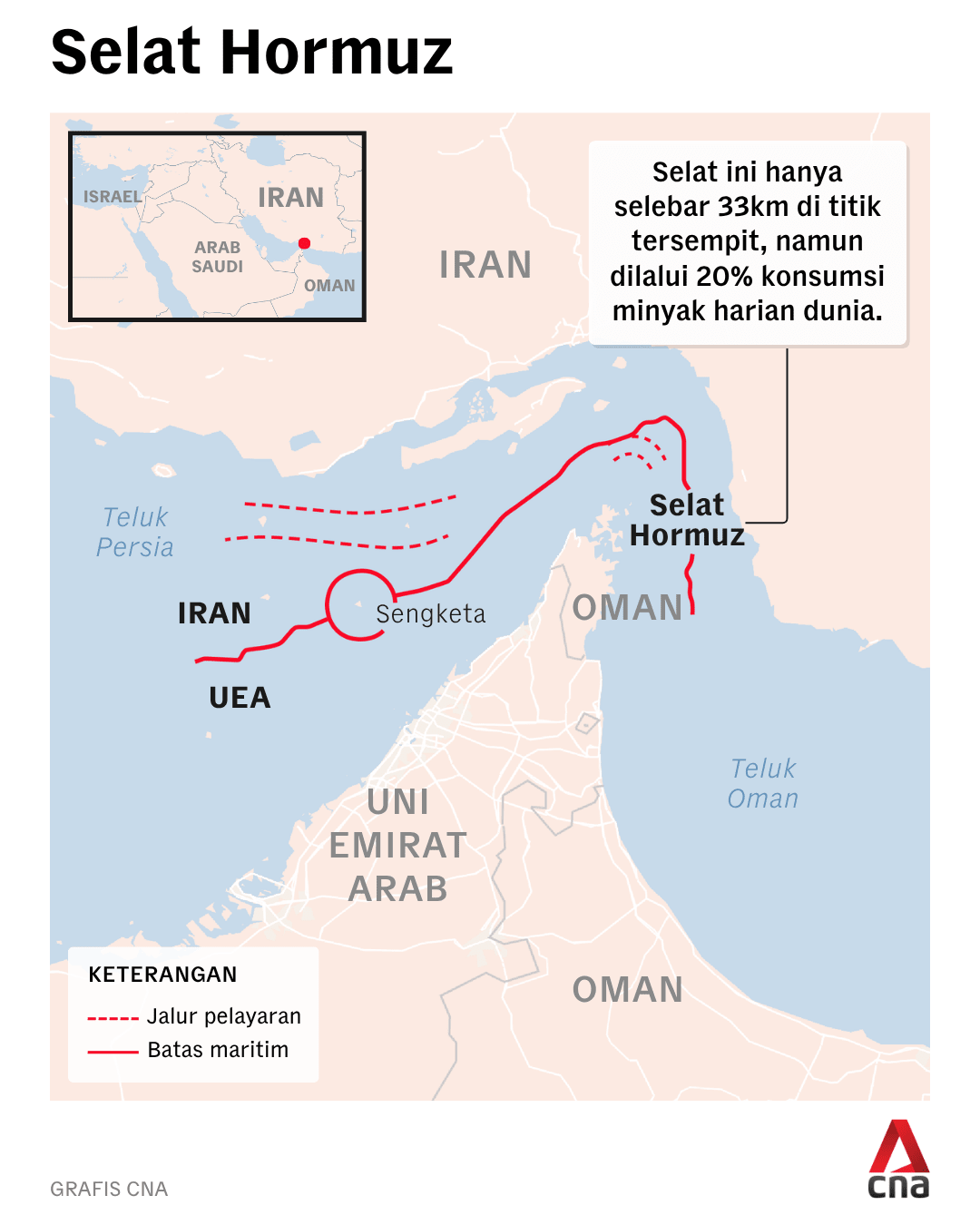
Several ASEAN members, including Indonesia, Malaysia, the Philippines, Vietnam, and Myanmar, have expressed a growing interest in Russian crude and gas. This trend is largely driven by a shortage of supply from traditional sources. With the Strait of Hormuz facing potential disruptions, the Middle East—which provides over half of Southeast Asia’s energy imports—has become a less reliable corridor.
In this climate, Russian energy is seen as a cost-effective and available alternative. Industry analysts note that Russia currently has significant volumes of oil already at sea, which can be redirected to meet the urgent demands of the Southeast Asian market. However, experts like Yohanes Sulaiman from Universitas Jenderal Achmad Yani caution that the short-term economic relief must be weighed against the long-term geopolitical consequences of depending on a "sensitive" supplier.
Strategic Moves Across the Region
The Philippines has been particularly active, recently seeking clarity from the U.S. regarding the purchase of more Russian crude. Manila’s sole refinery has faced supply gaps after millions of barrels from the Middle East were canceled.
In Malaysia, Prime Minister Anwar Ibrahim has signaled a pragmatic approach. Highlighting his country’s neutral stance, Anwar indicated that the state-owned firm Petronas could negotiate with Moscow to ensure the domestic market remains stable. Observers note that while Malaysia seeks to maintain its non-aligned status, pushing the boundaries of Western sanctions could complicate its efforts to attract digital and semiconductor investments from the West.
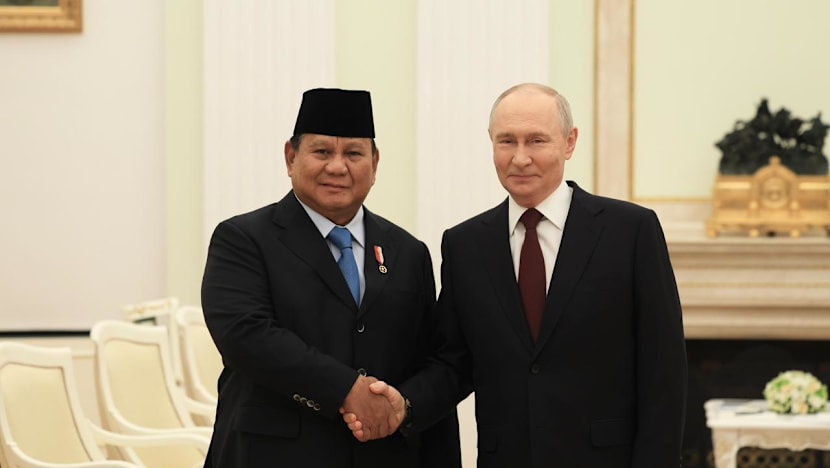
Indonesia has also taken a decisive step. Following a high-level meeting between President Prabowo Subianto and Vladimir Putin in Moscow, reports suggest Indonesia has secured a commitment for approximately 150 million barrels of crude oil at a preferential price. Indonesian officials emphasized that these strategic reserves are essential to protect the national economy from global shocks.
Infrastructure and Capacity Concerns
Despite the interest, the actual flow of Russian oil to ASEAN may be limited by logistical hurdles. Ukrainian attacks on Russian energy infrastructure in the Baltic and Black Sea regions have hampered Moscow’s ability to maximize exports. Furthermore, much of Russia’s current output is already being absorbed by major buyers like China and India, leaving limited "opportunistic" volumes for smaller regional players.
Experts also point out that the cost benefits of Russian oil may be thinner than they appear. Once the increased costs of long-distance shipping, specialized insurance, and the technical adjustments required for refineries to process different grades of crude are factored in, the net economic gain often diminishes.
A Temporary Solution?
Many energy specialists believe the current pivot toward Russia is a tactical maneuver rather than a permanent strategic shift. They argue that ASEAN nations are simply looking for "top-up" volumes to manage the current price spike.
Fabby Tumiwa, Executive Director of the Institute for Essential Services Reform, noted that this situation highlights the vulnerability of relying on imported fossil fuels. He argued that instead of shifting between various global suppliers, the region should focus on accelerating the transition to renewable energy to achieve true independence from geopolitical volatility.
For now, the urgency of preventing domestic social and economic unrest appears to be the primary driver for ASEAN leaders. As long as Russian oil remains available and affordable, regional governments seem willing to navigate the complex web of international sanctions to keep their economies moving.
