

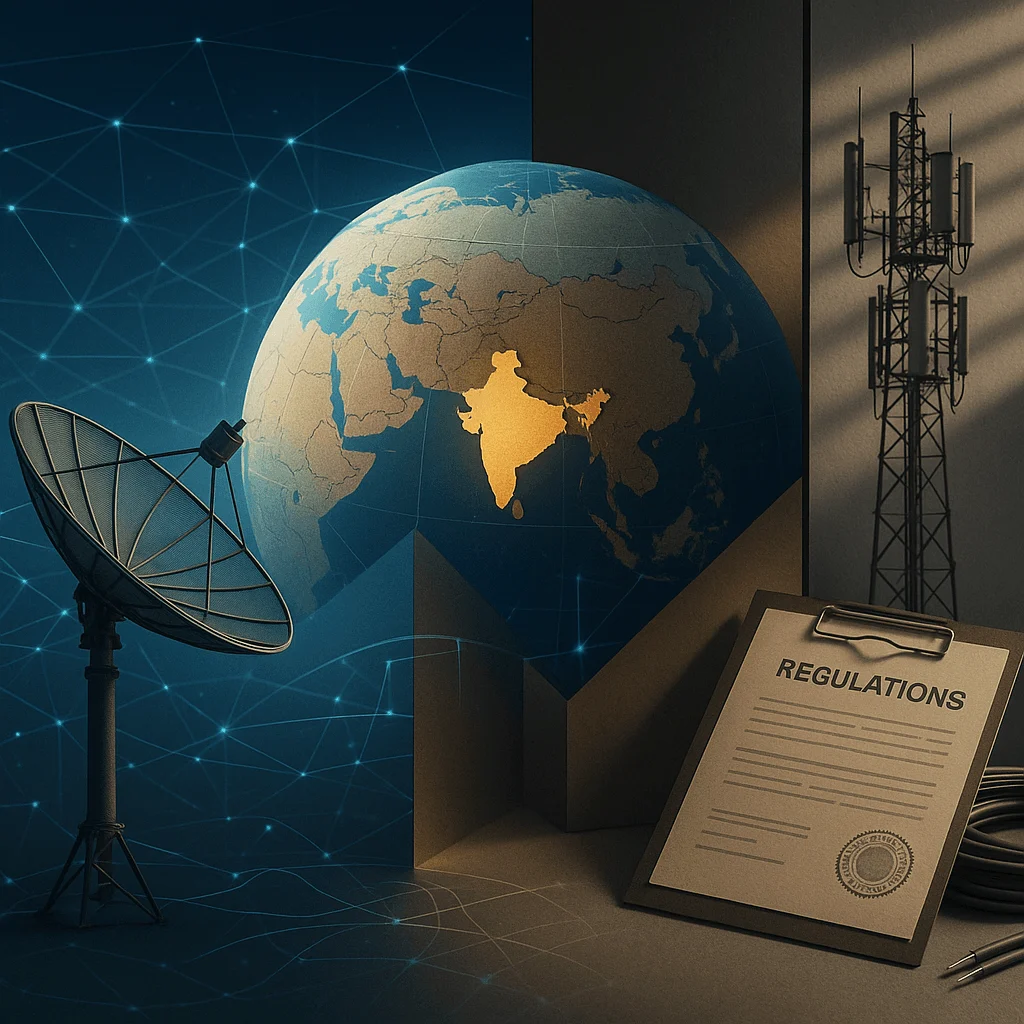
JustUpdateOnline.com – The global race to provide high-speed satellite internet has encountered a significant bottleneck in South Asia, as Elon Musk publicly criticizes the hurdles preventing Starlink from launching in India. The tech billionaire has suggested that entrenched domestic business interests are the primary reason for the regulatory delays currently stalling his satellite broadband venture.
The friction centers on the methodology for distributing satellite spectrum. While Musk’s SpaceX advocates for an administrative allocation process—a standard practice in many international markets—major domestic telecommunications players have been lobbying for a traditional auction. Musk has characterized this opposition as an attempt by local "oligarchs" to protect their market share from international competition, thereby slowing down the digital transformation of the country.
For years, Starlink has been eyeing the Indian market, which represents one of the largest untapped pools of internet users in the world. The service aims to provide low-latency, high-speed connectivity to remote and rural areas where traditional fiber-optic cables and cellular towers are difficult to install. However, the ongoing dispute over spectrum licensing has left the company’s application in a state of uncertainty.
Local industry leaders argue that a competitive auction is the only way to ensure fairness and transparency within the telecommunications sector. They contend that allowing an international entity to bypass the auction process would provide an unfair advantage. Conversely, supporters of Starlink argue that satellite spectrum is a shared resource that does not fit the traditional auction model used for mobile frequencies, and that stalling the rollout only hurts the millions of citizens currently lacking reliable web access.
As the Indian government navigates these conflicting interests, the standoff highlights the complexities of introducing disruptive global technologies into a market dominated by powerful domestic corporations. Whether the regulatory framework will shift to accommodate Musk’s vision or continue to prioritize the demands of local incumbents remains a pivotal question for India’s technological future.
