

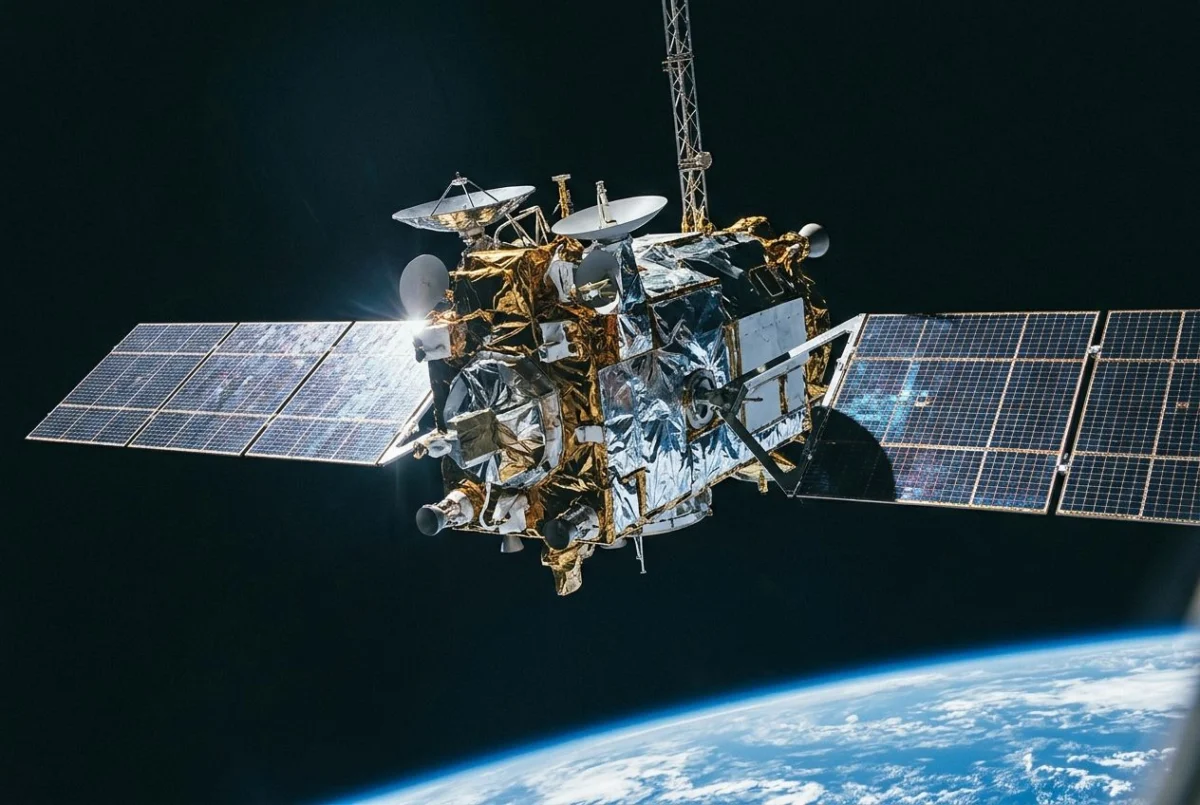
JustUpdateOnline.com – In a move that could redefine the future of cloud infrastructure, the technology firm Satlyt has commenced the testing of data processing facilities located in low Earth orbit. This initiative represents a significant leap toward "space-edge computing," where information is analyzed and stored in the stars rather than being transmitted back to terrestrial servers for every calculation.
By hosting servers in space, Satlyt aims to solve the common bottleneck of data transmission. Currently, satellites capture massive amounts of information—ranging from climate patterns to maritime tracking—that must be compressed and sent to Earth, a process that can be slow and expensive. Orbital data centers allow for real-time processing, sending only the final, relevant insights back to ground stations, which significantly reduces latency.
Beyond speed, these orbital hubs offer unique strategic advantages. Isolated from physical terrestrial threats and many traditional network vulnerabilities, space-based servers provide a high level of data sovereignty and security. Additionally, the extreme cold of the vacuum of space provides a natural cooling environment, potentially lowering the massive energy requirements typically associated with cooling systems in land-based facilities.
While still in the experimental phase, Satlyt’s efforts align with the surging demands of the artificial intelligence, cybersecurity, and global telecommunications sectors. As the volume of data generated by satellite constellations continues to skyrocket, the shift toward processing that information in situ is becoming a necessity rather than a luxury.
If these trials prove successful, they could pave the way for a global network of autonomous, high-speed computing clusters circling the planet, providing a robust backbone for the next generation of digital connectivity. Satlyt’s mission marks a pivotal moment in the convergence of aerospace engineering and enterprise-level computing.
