

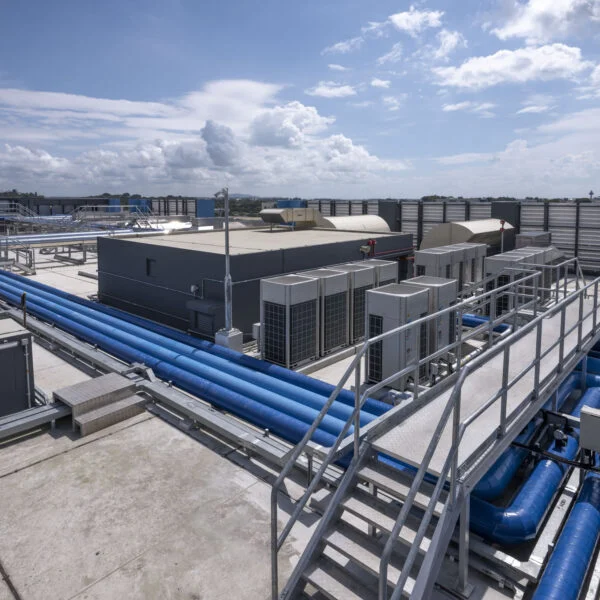
JustUpdateOnline.com – As the race to develop the infrastructure necessary for artificial intelligence intensifies across Asia, industry experts are shifting the focus from mere capital acquisition to the long-term societal and economic benefits these projects generate. Malaysia, in particular, is positioned at the forefront of this digital transformation, attracting significant global interest due to its robust industrial foundation, skilled workforce, and strategic regional location.
While securing funding for data centers and digital networks is a vital first step, the ultimate success of such ventures lies in the enduring value they provide to the host nation. For Malaysia, the current surge in technology-related funding represents a unique chance to fortify national systems and industrial capabilities for decades to come.
Beyond the Physical Build
Historically, major infrastructure projects like railways and power grids did more than just move goods or electricity; they dictated the growth patterns of cities and the evolution of entire economies. Experts argue that modern digital infrastructure should be approached with the same level of ambition.
The objective is to ensure that the development of data centers serves as a catalyst for broader national improvement. This includes strengthening energy grids, enhancing water management systems, and fostering local supply chains. By integrating these projects into the national fabric, the investment becomes an anchor for wider economic resilience rather than an isolated asset.
Addressing Community and Resource Concerns
As massive technological hubs emerge, local communities are increasingly vocal about the potential impacts on their daily lives. Residents and stakeholders are seeking transparency regarding job quality, the strain on public utilities, and the overall environmental footprint of these facilities.
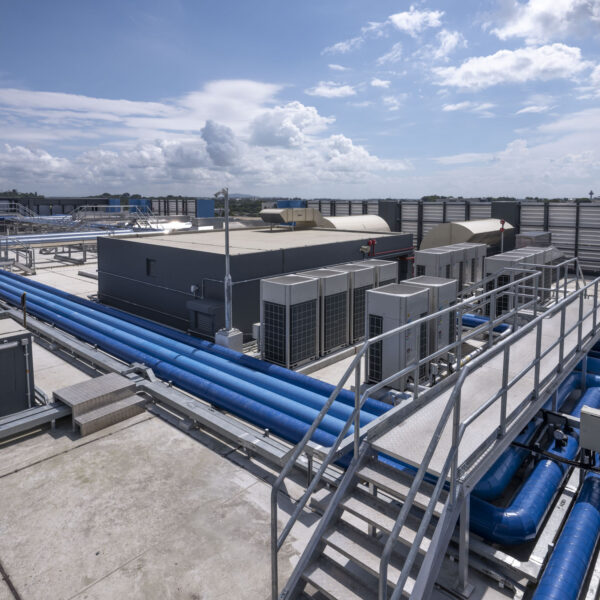
To meet these higher standards, the industry must demonstrate that its success is intertwined with the well-being of the surrounding area. This means ensuring that energy and water are used efficiently and that local businesses are given the opportunity to participate in the new digital ecosystem. When projects are managed with transparency and a focus on shared outcomes, they gain the public trust necessary for long-term operation.
A Unified Approach to Planning
A common hurdle in infrastructure development is the tendency to plan energy, water, transport, and technology in silos. Industry leaders suggest that a more connected strategy is essential for the AI era. By identifying growth corridors early, governments and private sectors can coordinate the rollout of renewable energy and recycled water systems alongside new digital precincts.
Furthermore, building bridges between technology operators and educational institutions—such as universities and vocational centers—can create clear career pathways for the local workforce. This ensures that the technical requirements of the digital age translate into high-value employment for the population.
The Vision for Malaysia’s AI Future
The influx of investment into Malaysia is already underway, but the true test will be the legacy it leaves. The nation is at a crossroads where it can choose to simply accommodate data centers or use them as a springboard for wider economic and social ambitions.
By setting high expectations for what digital investment must deliver, Malaysia can ensure that its transition into an AI-driven economy results in deeper technical expertise, more sustainable resource management, and a more competitive global standing. The value of this digital wave will ultimately be judged not by the scale of the buildings, but by the strength of the foundations it establishes for future generations.
