

JustUpdateOnline.com – In a strategic move to sever Beijing’s access to high-end artificial intelligence hardware, the United States has expanded its export control framework to include several nations across Southeast Asia. This policy shift aims to block Chinese entities from utilizing advanced American computing power through overseas infrastructure, effectively closing a loophole that allowed for remote access to restricted technology.
Effective immediately, specialized licensing will be mandatory for the shipment of sophisticated semiconductors to Indonesia, Malaysia, Singapore, Thailand, and Brazil. The decision arrives as global leaders prepare for diplomatic discussions at the APEC summit in Shenzhen, signaling a firm stance by the U.S. administration regarding national security and technological dominance.
The Department of Commerce’s Bureau of Industry and Security (BIS) clarified that these measures are designed to eliminate "shadow" access. Previously, while physical chips were restricted from entering mainland China, companies could still rent processing power from data centers located in third-party countries. The new regulations specifically target this remote usage of American-made AI processors, ensuring that sensitive technology cannot be exploited through cloud-based workarounds.
While the rules are stringent, exceptions are carved out for American-owned cloud service providers, such as Microsoft, Google, and Amazon, provided they adhere to rigorous reporting standards. Existing facilities serving restricted entities have been granted a 90-day window to secure the necessary permits and align with the updated transparency requirements.
Industry experts note that the focus has shifted from the geographical destination of the hardware to the identity of the end-user. Legal scholars point out that data center operators must now implement comprehensive "Know Your Customer" (KYC) protocols. This requires providers to verify who is actually controlling the computational workloads, ensuring no prohibited parties are utilizing the technology through intermediaries or shell companies.
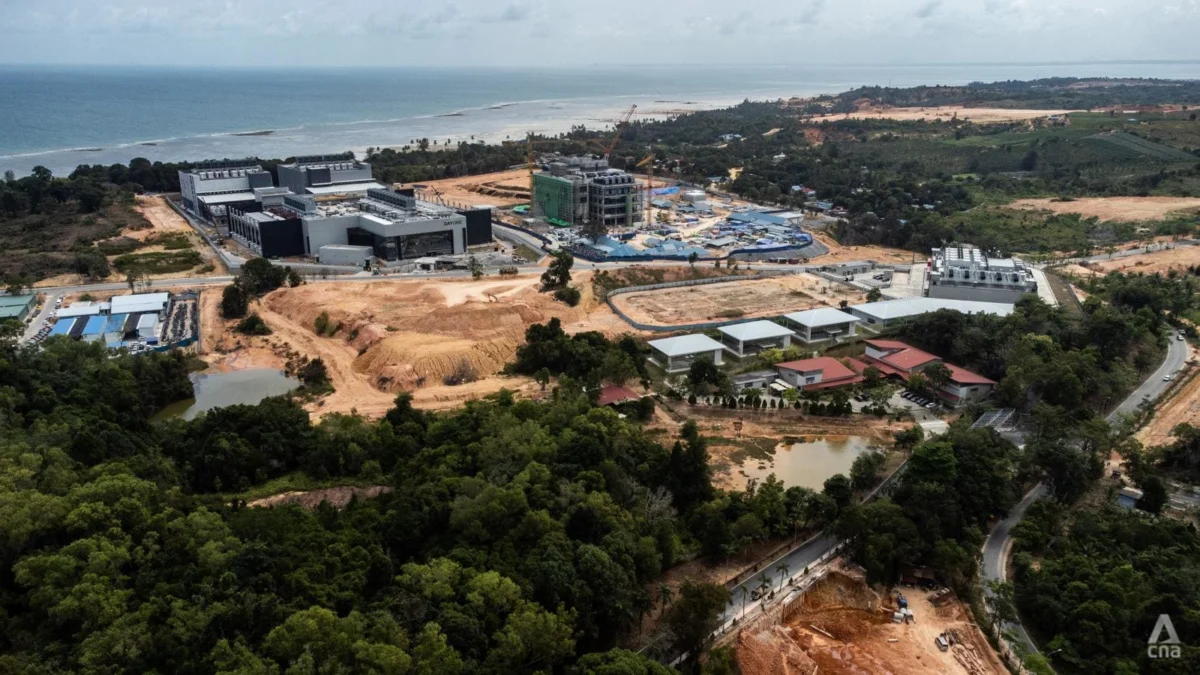
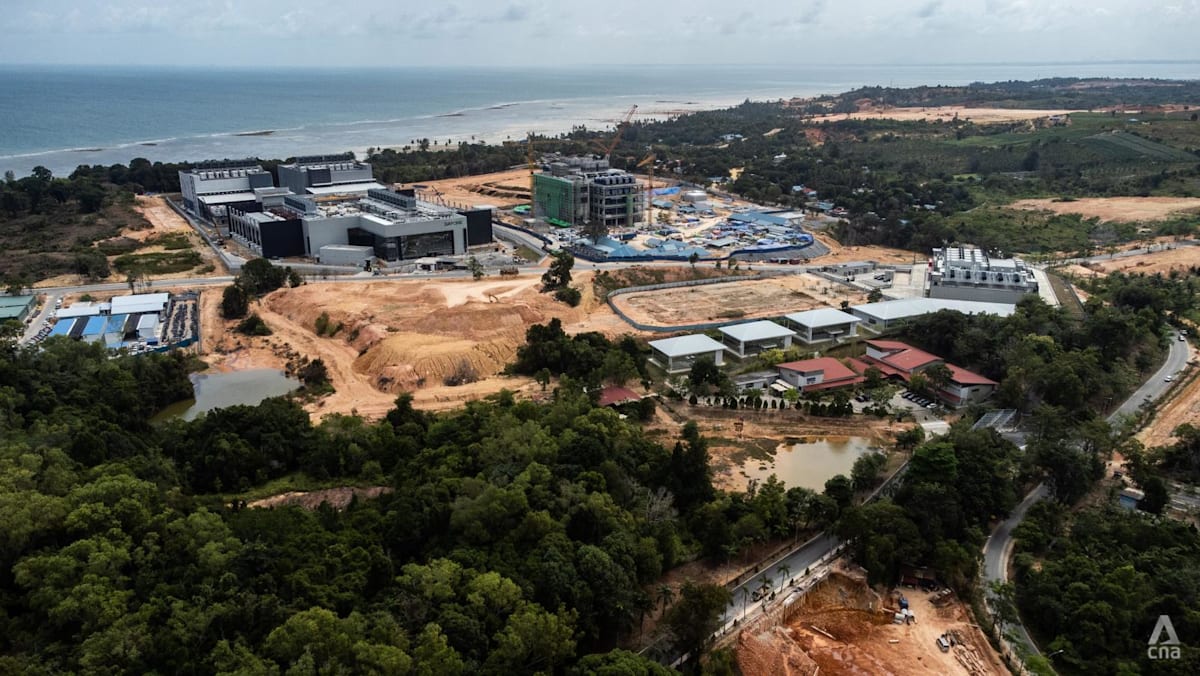
Southeast Asia has recently seen a massive influx of investment in digital infrastructure, with Malaysia’s Johor region and Singapore becoming major hubs for global data processing. Indonesia and Thailand have also been aggressive in attracting tech giants to bolster their digital economies. However, this rapid expansion has raised red flags in Washington, where officials fear these facilities could serve as backdoors for Chinese tech firms to maintain their AI development trajectories despite domestic shortages.
The local impact of these regulations could be significant, potentially increasing operational costs and regulatory burdens for regional tech firms. In Malaysia, for instance, there are concerns that the pace of new data center construction might fluctuate as developers navigate these complex American legal requirements. Facilities that have historically catered to Chinese clients may face prolonged verification processes or potential service disruptions.
Geopolitical analysts suggest that while these barriers make AI innovation more expensive and difficult for China, they may also accelerate Beijing’s quest for technological independence. By restricting access to U.S. hardware, Washington may be inadvertently fueling China’s resolve to build a self-sufficient semiconductor ecosystem. Meanwhile, member states of ASEAN find themselves in a delicate balancing act, attempting to safeguard their economic interests without being forced to choose sides in the escalating tech rivalry between the world’s two largest economies.
