

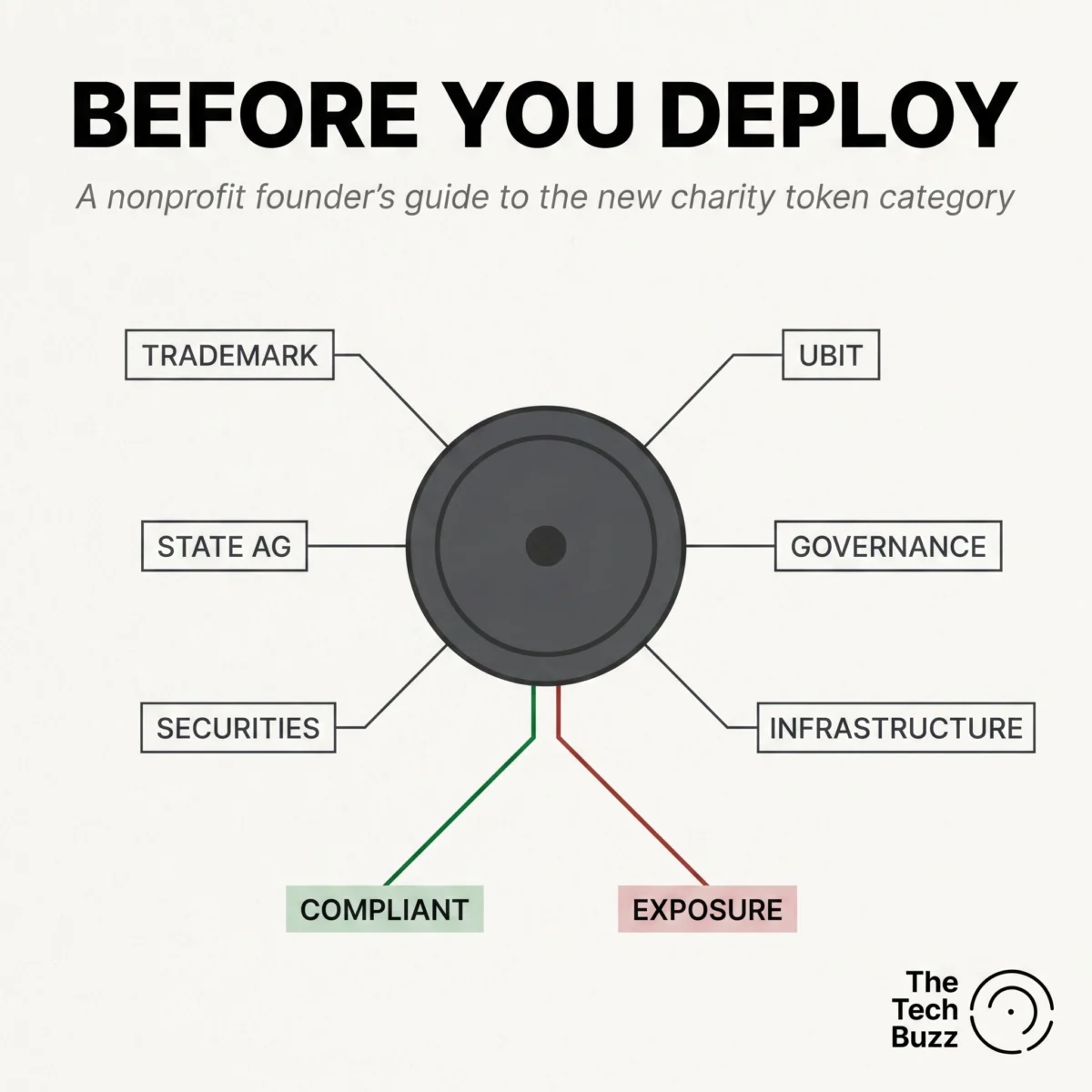
JustUpdateOnline.com – As the intersection of decentralized finance and philanthropy continues to expand, creators of "charity tokens" are finding themselves under increasing scrutiny from global regulators. While the promise of transparent, borderless giving is attractive to both tech developers and traditional non-profit leaders, the legal hurdles associated with launching these digital assets are becoming more complex. Failure to adhere to established financial laws can lead to severe penalties, regardless of the altruistic intent behind the project.
Financial authorities are closely monitoring how these tokens are marketed and distributed. If a charity token is structured in a way that suggests an expectation of profit for holders or involves a redistribution of fees to investors, it risks being classified as an unregistered security. This classification brings a host of reporting requirements and potential litigation that many decentralized projects are ill-equipped to handle. For developers often referred to as "degens," the transition from experimental coding to formal financial compliance is a necessary but difficult evolution.
For established non-profit organizations looking to enter the Web3 space, the challenges are equally significant. Maintaining tax-exempt status requires rigorous record-keeping and a clear audit trail. Donors often expect tax deductions for their contributions, but if a token’s value fluctuates wildly or if the smart contract lacks transparency, the tax-exempt status of the underlying organization could be jeopardized. Ensuring that digital assets are handled according to strict fiduciary standards is paramount to maintaining public trust and legal standing.
Beyond legal filings, the technical integrity of the smart contract itself is a major compliance factor. Security audits are no longer optional; they are a prerequisite for any project handling public funds. Developers must ensure that the "charity" portion of any transaction fee is automatically and securely routed to a verified, legitimate wallet. Without third-party verification, projects can easily fall victim to accusations of fraud or mismanagement, which quickly attracts the attention of consumer protection agencies.
The bridge between blockchain technology and social impact offers a revolutionary way to fund global causes. However, the transition from rapid, experimental deployment to a regulated framework requires a shift in focus toward long-term legal viability. For those looking to merge the world of crypto with charitable work, the message from regulators is clear: compliance is the only way to ensure the longevity of the mission.
