

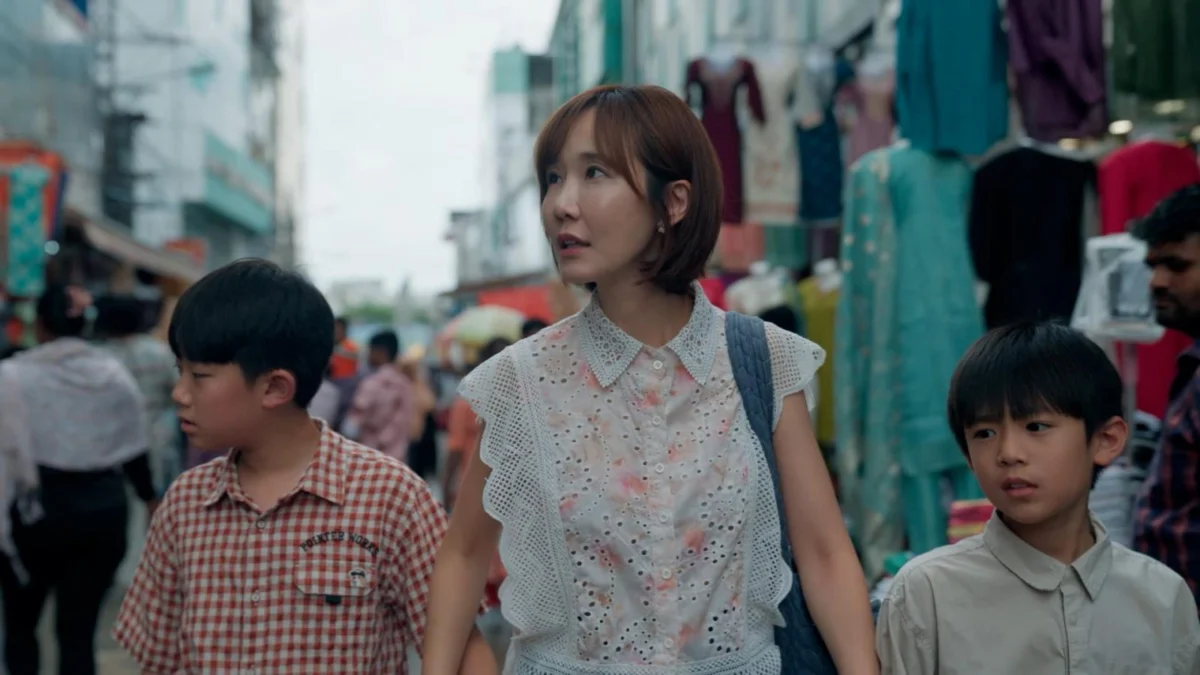
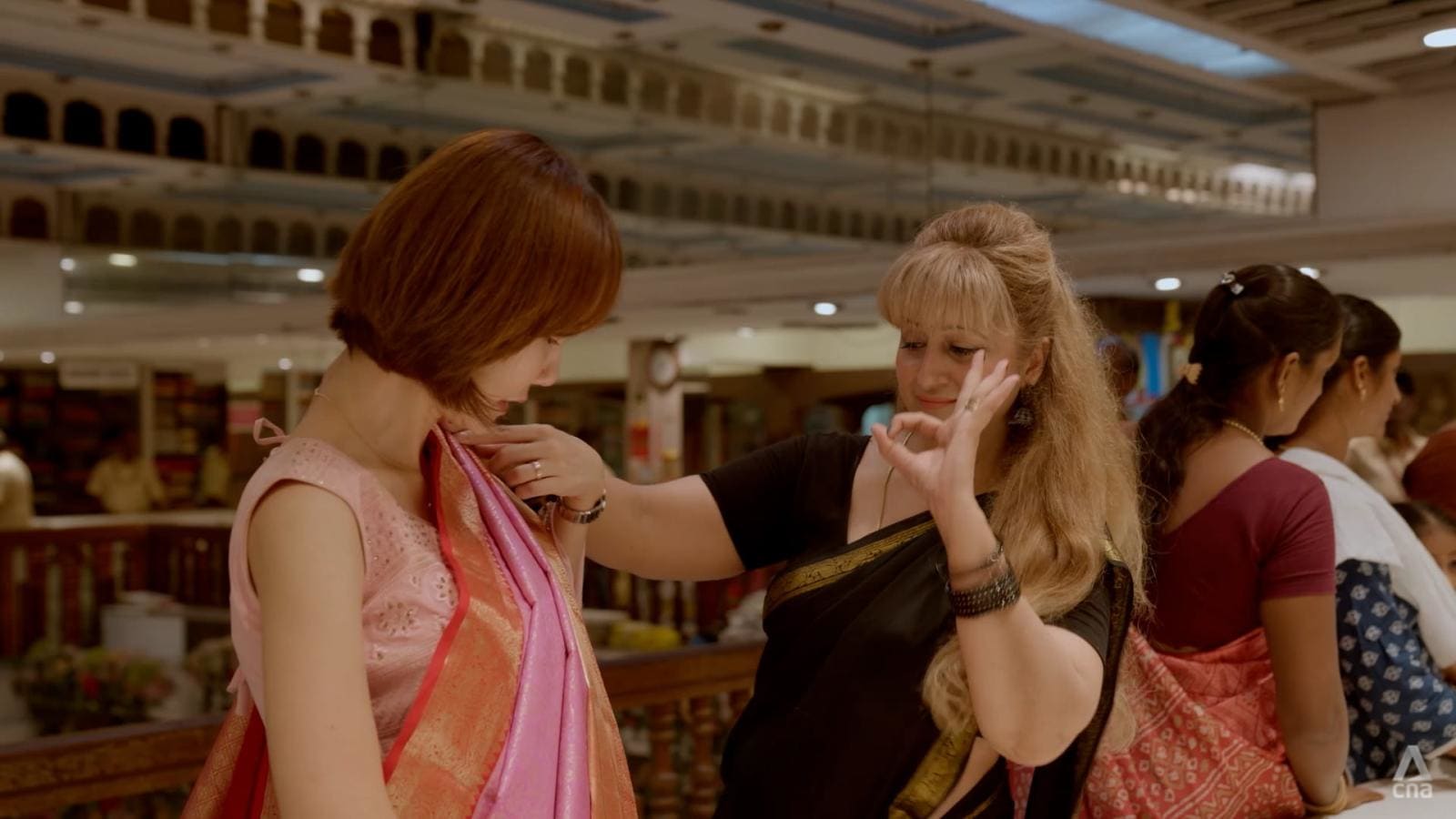
JustUpdateOnline.com – Chennai, In the bustling commercial heart of T Nagar, 40-year-old Um Jung-ae moves through saree shops with the confidence of a longtime resident. While her appearance might initially mark her as a foreigner, her fluent bargaining in Tamil reveals a deep-rooted connection to her adopted city.
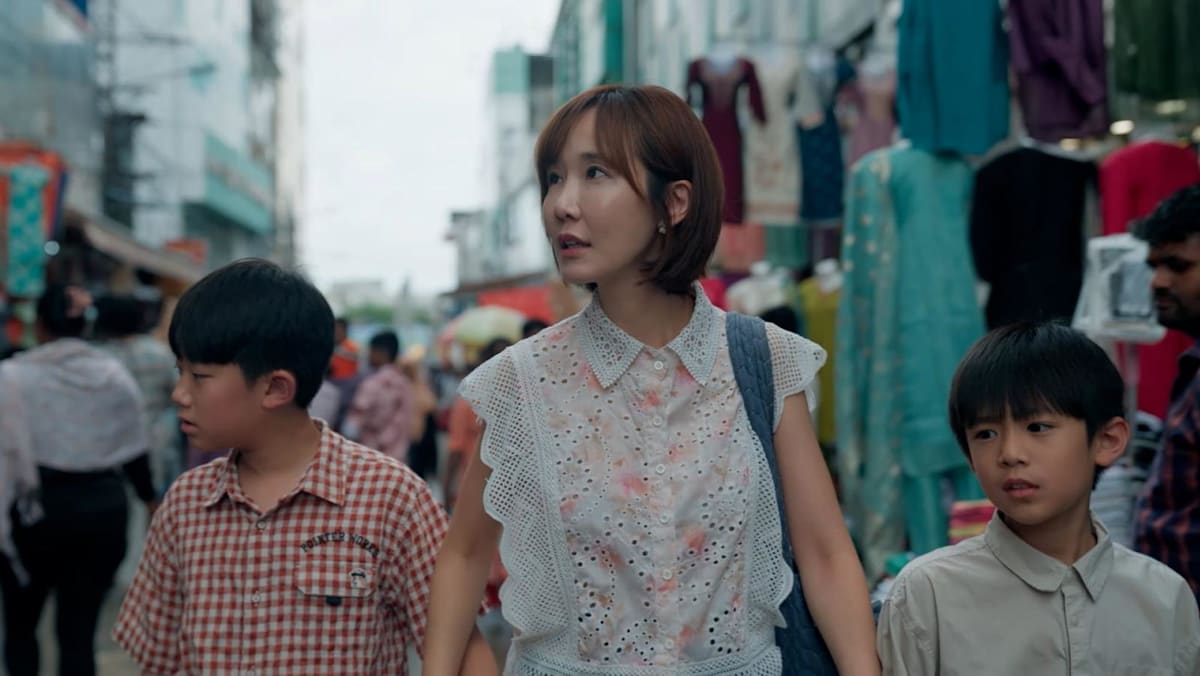
Um’s journey into the local culture began with a simple desire for a better deal. When she realized local vendors didn’t speak English, she asked Indian friends for the Tamil word for "discount." This small step blossomed into a full immersion into the lifestyle of Chennai, a city she has called home for a year following her husband’s job transfer.
Before arriving, Um admitted to harboring common misconceptions about India being overcrowded or unsafe. However, her reality has been the opposite. "I found many places as clean and beautiful as South Korea," she noted, adding that the warmth of the local people often exceeds what she experienced back home.
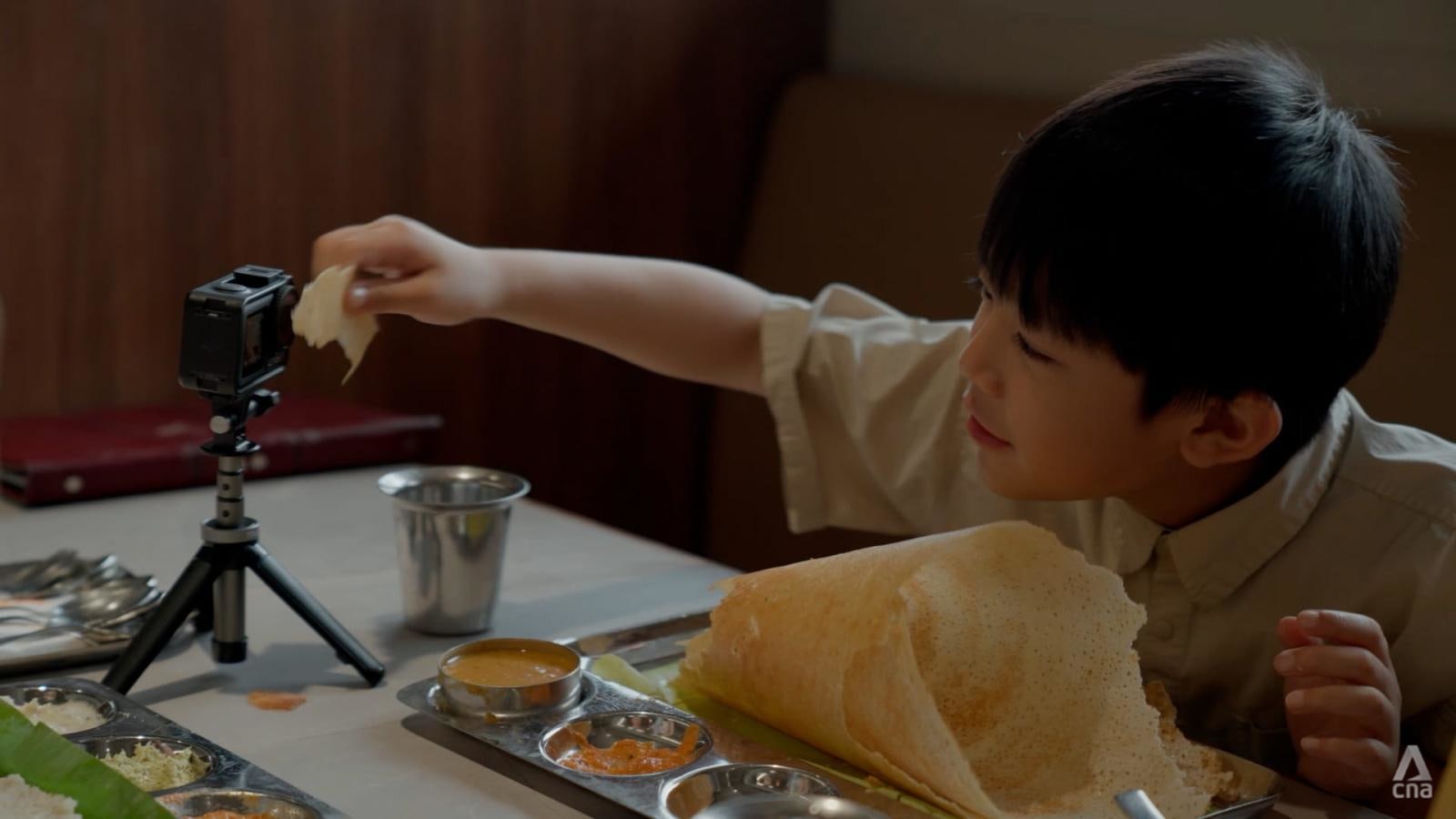
This cultural integration has extended to her family’s dinner table. While her sons had never tasted a dosa before moving, the crispy South Indian staple is now a weekly requirement. Um even mastered the art of making them herself after ten attempts. Her social media presence, under the handle @wonny_brothers, has turned her into a local influencer with nearly 100,000 followers across Instagram and YouTube, where she documents her family’s adventures and friendships with locals like her friend Shah.
Um is not alone in this experience. Chennai is home to one of the largest South Korean expatriate communities in India, including long-term residents like Ernie Park, a finance manager who has lived there for a decade, and Kim Hyun-gan, a Korean language instructor who arrived in 2012.
For many, the transition required adjusting to the unique "rhythm" of the city. Um initially struggled with the constant honking on the roads, eventually realizing it was a safety measure rather than an act of aggression. She also observed the deep respect for cows that wander freely through traffic—a stark contrast to the structured streets of Seoul.
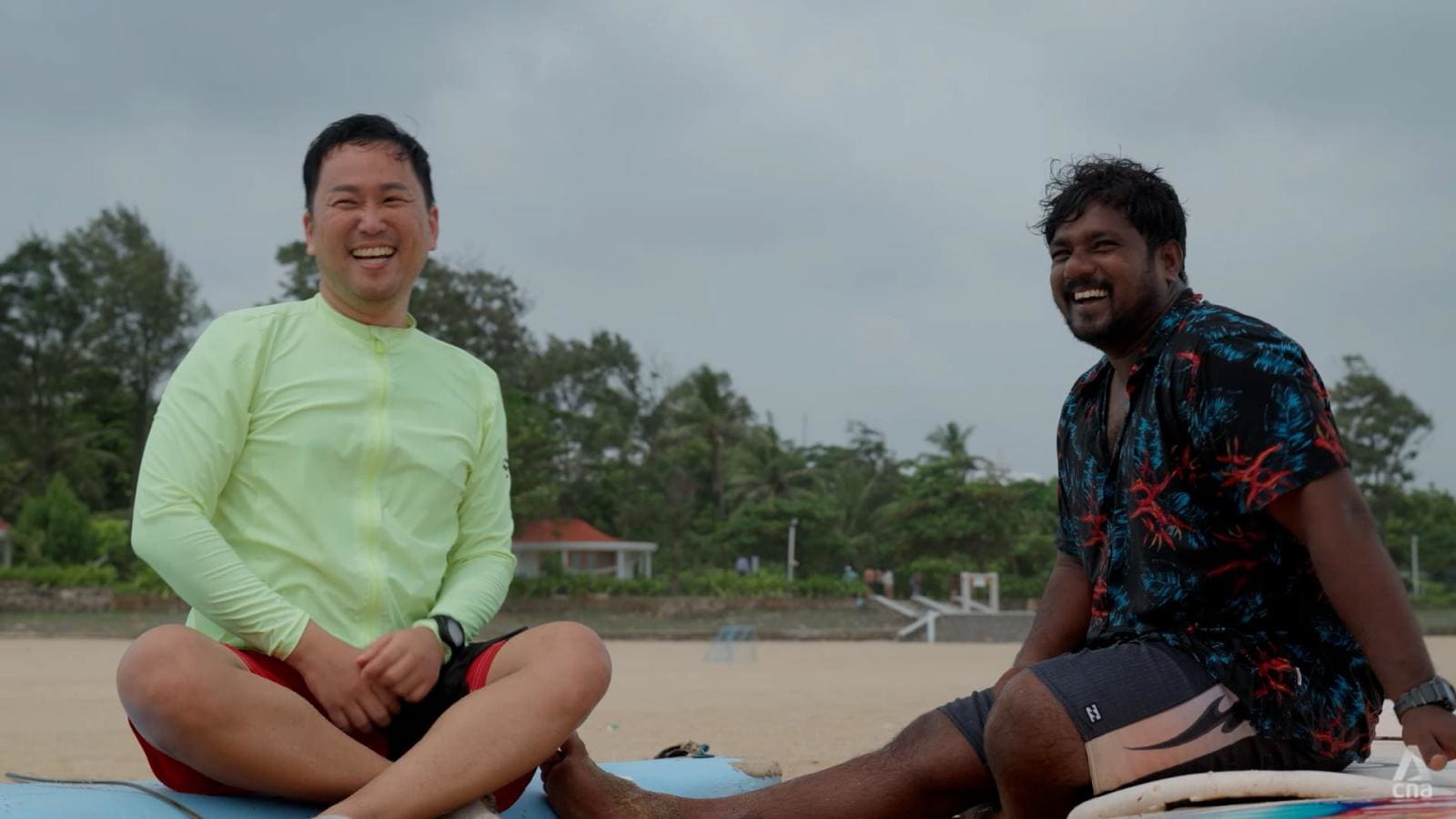
Ernie Park, 40, recalled his initial surprise at the local custom of eating with hands. However, he found his footing through the local surfing community. By hitting the waves, he met local instructors like Vicky, who helped him break out of the "expat bubble." Today, Park acts as a cultural bridge, hosting gatherings where he serves Korean BBQ alongside tandoori chicken adjusted to suit the Korean palate.
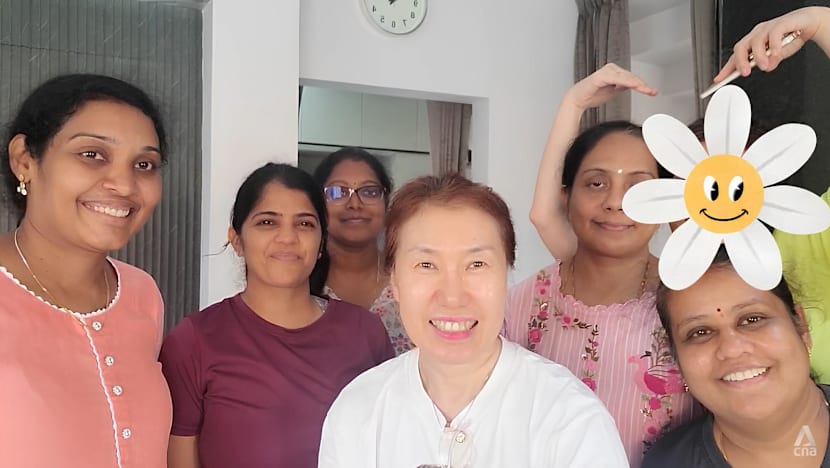
The sense of community has been vital for Kim Hyun-gan as well. After her children returned to Korea for studies, she felt a loss of purpose. She found a new calling by teaching the Korean language to local students and joining a local badminton group. "Indians are naturally gifted linguists," Kim observed, noting how quickly her students picked up Korean alongside their knowledge of Tamil and English.
The Indo-Korean Cultural and Information Centre (InKo Centre) plays a pivotal role in fostering these connections. Directed by Rathi Jafer, the center has been a hub for dialogue since 2006, offering language classes and cultural programs to ensure the growing Korean population feels at home.
For these residents, the labels of "foreigner" and "local" have blurred. Park often jokes that his Indian friends tell him they need to check his passport because he acts more like a local than a visitor. The true testament to their integration, however, is the feeling they get when landing back at the airport after a trip abroad.
As Park describes it, seeing the "Welcome to Chennai" sign at the arrivals terminal no longer signifies a return to a workspace, but a return to where he truly belongs. "Every time I see it," he said, "I think, ‘Finally, I’m home.’"
