

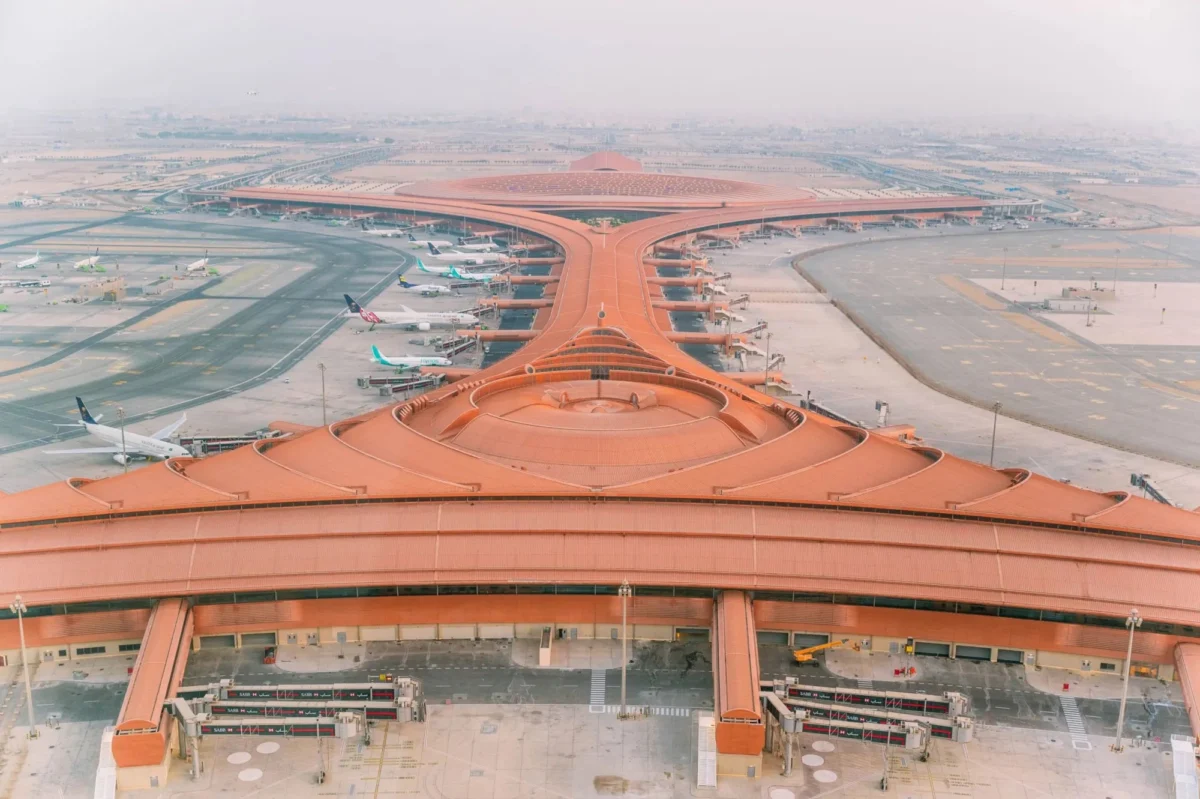
JustUpdateOnline.com – The global aviation sector is currently navigating a period of profound change, driven by the urgent need to address labor shortages and manage an explosion of operational data. As travel volumes rise, the industry is shifting away from traditional management styles toward a more integrated, tech-driven approach to ensure efficiency and passenger satisfaction.
Today’s airports are no longer just physical locations for arrivals and departures; they are becoming sophisticated digital ecosystems. To remain viable, these hubs must harmonize the efforts of various players—including airlines, ground crews, and logistics partners—through a unified technological framework. This evolution is essential for expanding capacity and bolstering the industry’s ability to withstand operational disruptions.
A major component of this shift involves the adoption of robotics and artificial intelligence. In areas where manual labor is difficult to secure, such as baggage handling and apron maintenance, automation is stepping in to maintain safety and speed. Furthermore, AI is enabling a transition from reactive fixes to predictive planning. By analyzing historical trends and real-time variables like weather, airports can now foresee potential bottlenecks at security checkpoints or conflicts in gate assignments before they occur.
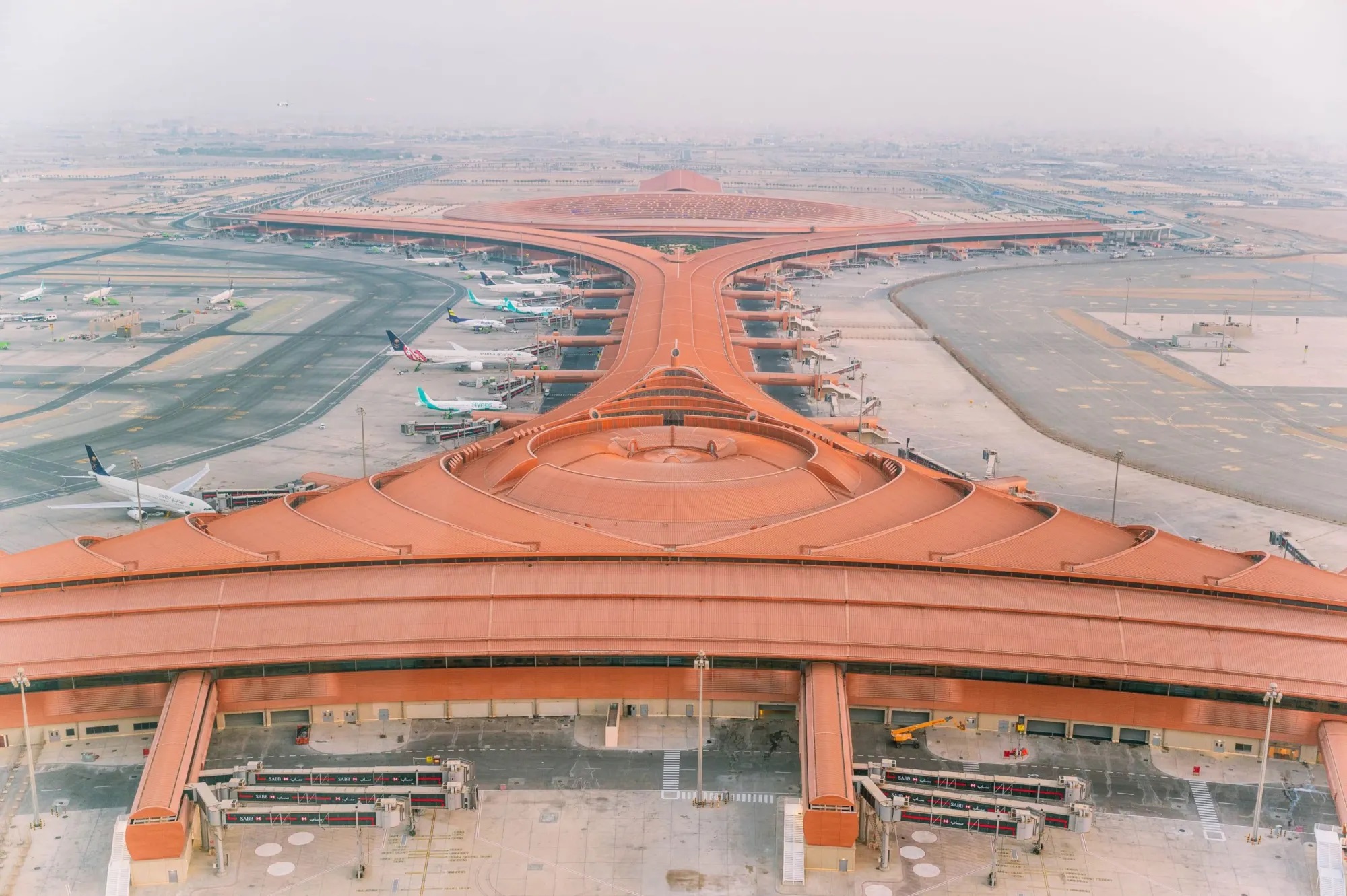
To visualize these complex operations, many facilities are turning to "digital twins"—virtual replicas of the airport environment. These models allow operators to simulate different scenarios and assess the impact of their decisions on traveler flow and asset utilization without risking real-world delays.
On the passenger side, biometric technology is revolutionizing the journey from the check-in counter to the boarding gate. While facial recognition and other digital ID systems speed up processing, they also bring heightened responsibilities regarding data privacy. Industry leaders are working closely with international regulators to ensure that traveler information is handled with the highest levels of security, treating cybersecurity as a fundamental pillar of operational safety rather than a secondary IT concern.
The backbone of these advancements is robust connectivity. The deployment of 5G networks and Internet of Things (IoT) sensors across airfields allows for real-time monitoring of everything from energy use to the mechanical health of ground vehicles. This connectivity helps prevent equipment failure and reduces downtime, provided that these various systems can communicate effectively rather than functioning in isolation.
Ultimately, the success of aviation’s digital overhaul depends on aligning technical investments with practical business goals. Whether the aim is to lower carbon footprints or increase revenue, the most effective strategies treat technology, physical infrastructure, and daily operations as a single, cohesive unit. The future of flight belongs to airports that can successfully weave these digital threads into a seamless, resilient experience for every traveler.
