

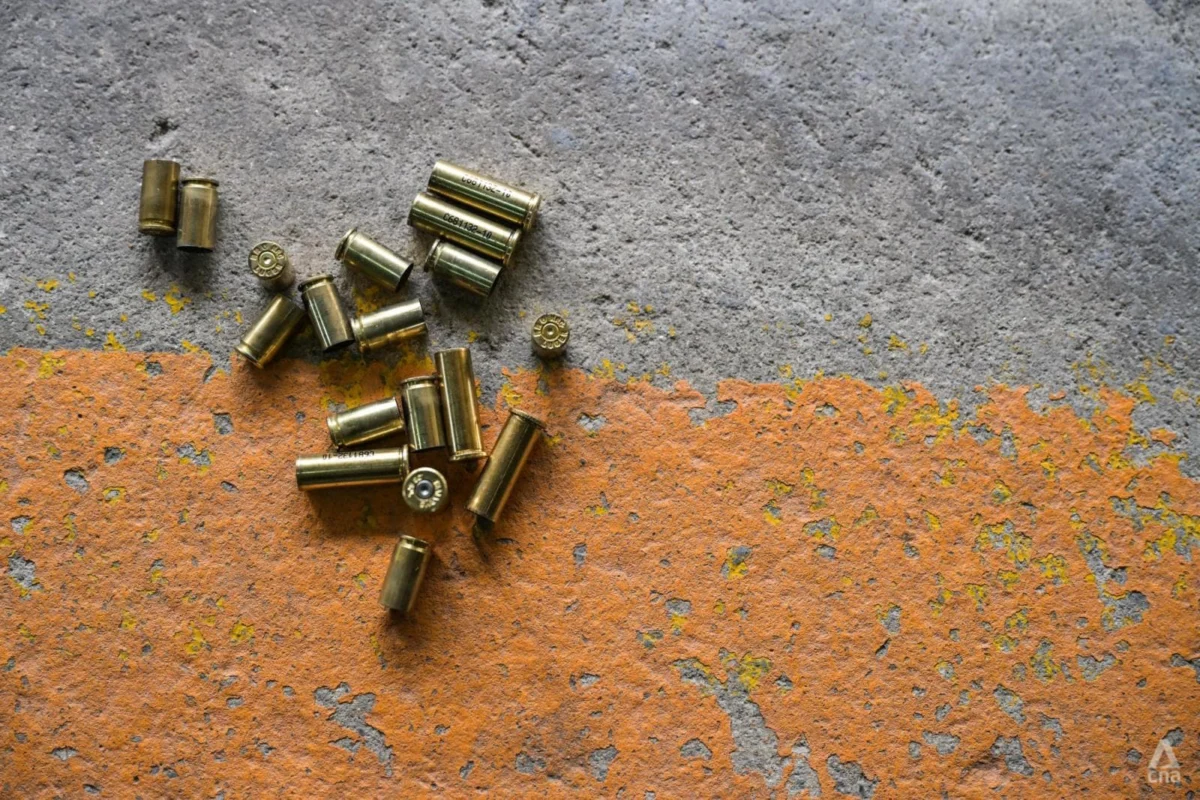
JustUpdateOnline.com – BANGKOK, Thailand is once again grappling with its long-standing struggle over firearm regulation following a series of tragic shootings that have left the nation in mourning and raised urgent questions about public safety. Despite repeated government promises to overhaul gun laws, the sheer volume of both legal and illicit weapons continues to pose a significant challenge for authorities.
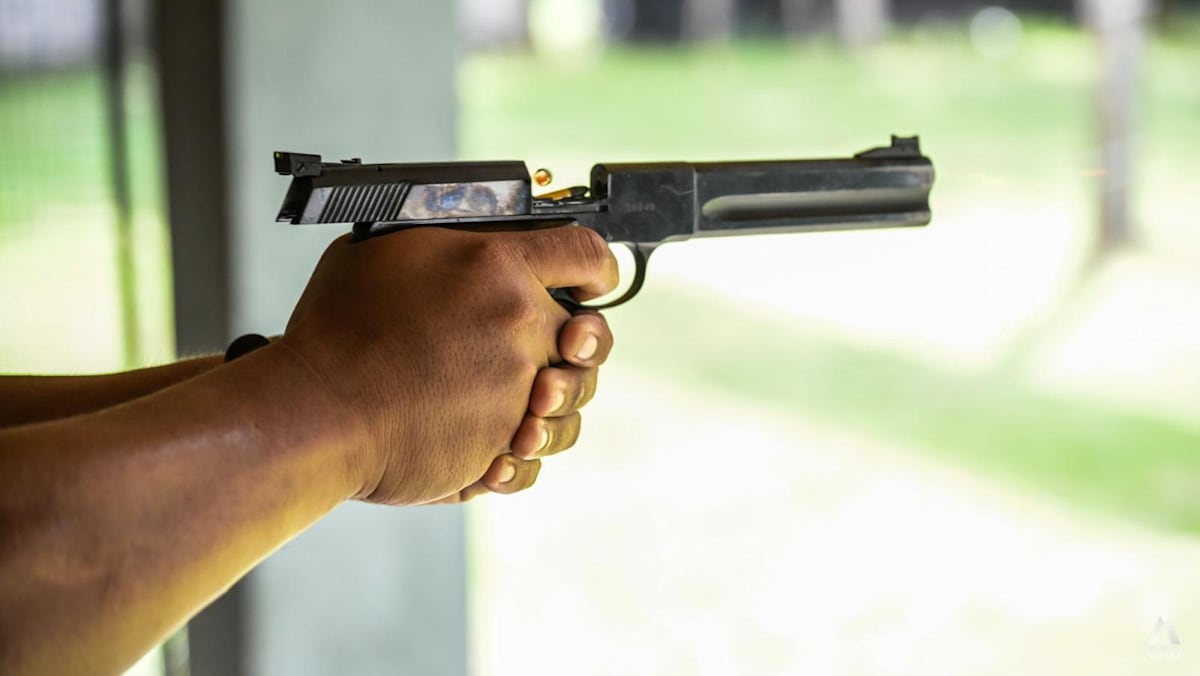
The conversation around gun control intensified after a devastating incident on August 7, 2026, in Nonthaburi Province. A 14-year-old student at Debsirin Nonthaburi School used a 9mm handgun to kill several staff members, a fellow student, and his own grandparents before taking his own life. Just days later, a separate dispute involving a former politician resulted in the death of a local official, further fueling the national debate.
In response to these tragedies, Prime Minister Anutin Charnvirakul has pledged a comprehensive crackdown on firearm accessibility. The proposed measures include a freeze on new gun permits, increased police checkpoints, and more stringent background checks. "We must prioritize the safety of our citizens, particularly children and innocent bystanders," Anutin told reporters, signaling a shift toward more aggressive oversight.
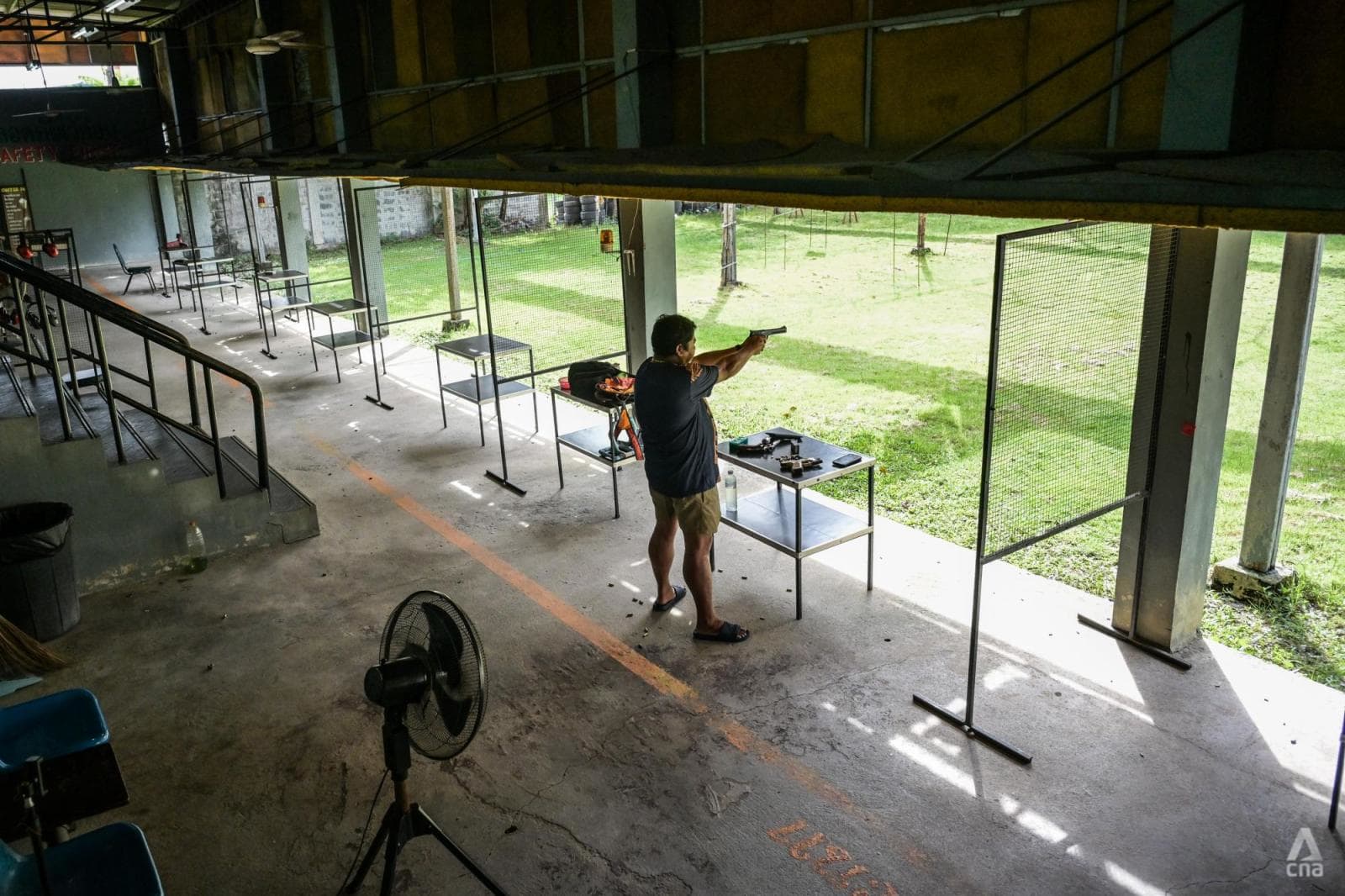
However, experts remain skeptical about whether these reactive policies can address the root of the problem. Thailand is currently home to an estimated 10.3 million firearms, according to data from the Small Arms Survey. Of these, roughly 4.1 million are believed to be unregistered and illegal. This puts Thailand’s civilian gun ownership rate significantly higher than its Southeast Asian neighbors, with nearly four times the number of guns found in the Philippines.
Kriminologist Trynh Phoraksa from Mahidol University noted that the government often enters a cycle of "reactive reform." According to Phoraksa, authorities tend to introduce strict measures immediately following a high-profile tragedy, but the momentum for structural change often fades once public attention shifts elsewhere.
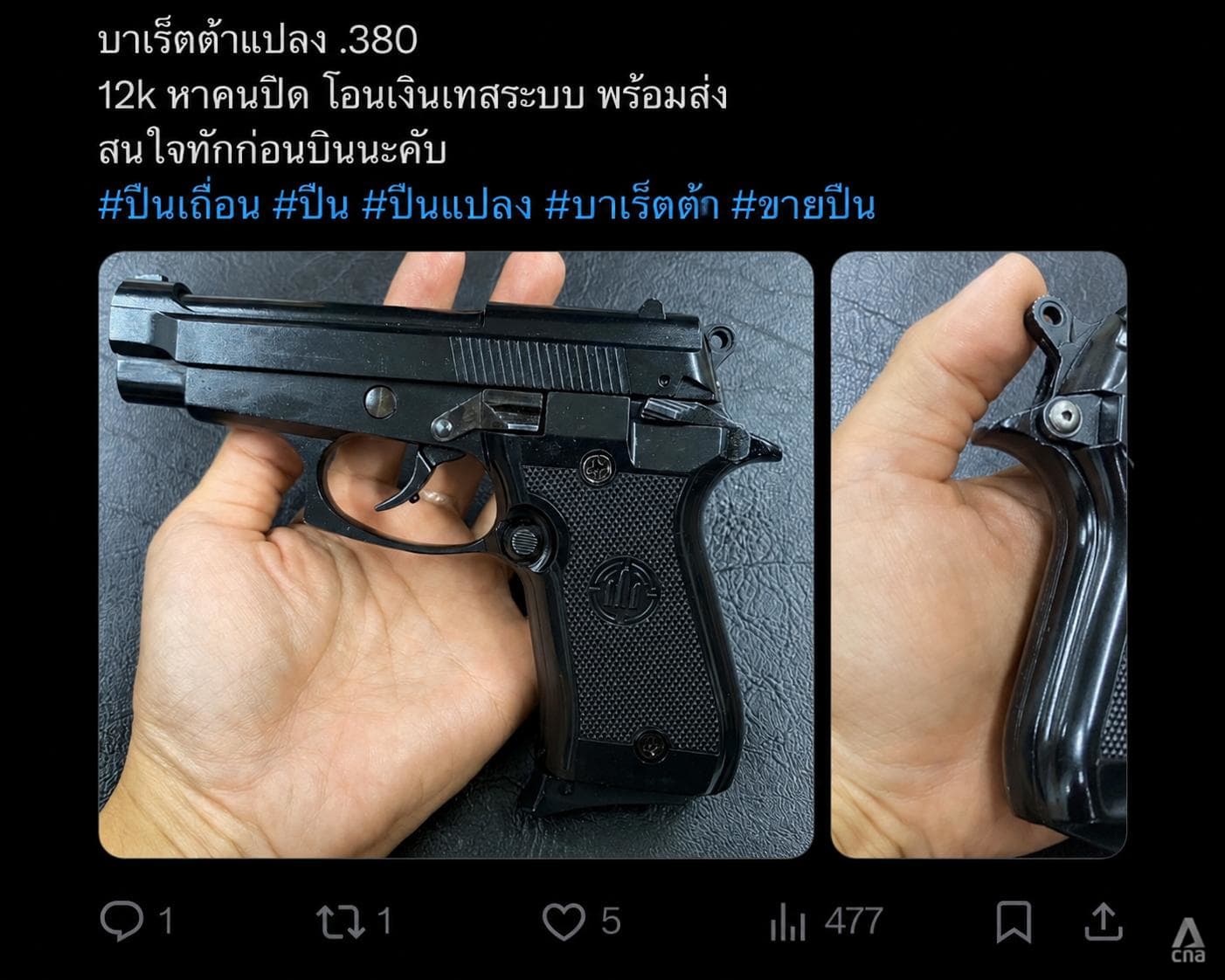
The accessibility of weapons remains a major hurdle. While legal gun ownership involves a rigorous months-long application process, the black market tells a different story. Investigations into digital platforms like Line and X (formerly Twitter) reveal that untracked firearms can be purchased and delivered in as little as two days for a few thousand baht. These "gray market" weapons often include modified blank guns or firearms sourced from unregulated pawnshops.
The issue is further complicated by Thailand’s cultural relationship with firearms. For many, guns are seen as a necessity for self-defense or even a status symbol. "Welfare gun" programs, which previously allowed government employees and security personnel to purchase discounted firearms, have also contributed to the high volume of weapons in circulation.
Beyond the hardware, sociologists point to a deeper crisis within the education system. Peson Chobphon, a professor at Chulalongkorn University, suggests that school violence is often a symptom of systemic issues, including bullying and rigid hierarchies that leave students feeling unheard. When these frustrations go unaddressed, they can escalate into tragedy, especially when a weapon is easily accessible within the home.
The emotional toll of this ongoing crisis is best expressed by those who have lived through it. Satita Boonsom, a teacher who survived the horrific 2022 daycare massacre in Nong Bua Lamphu, expressed her weariness with the cycle of violence. "I don’t want every tragedy to end with a promise that it won’t happen again, only for us to say the same thing when the next incident occurs," she shared.
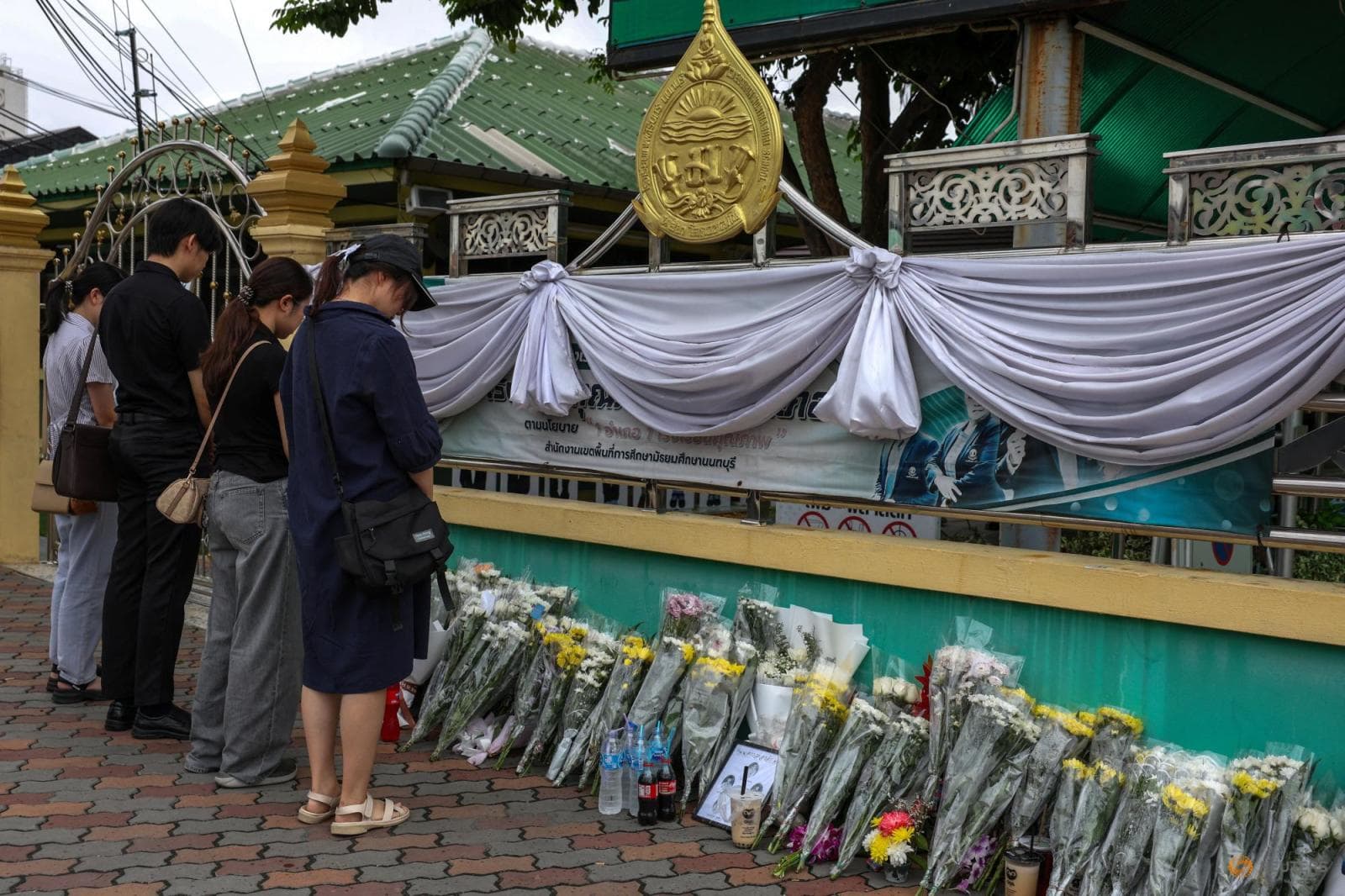
As the government moves forward with its latest reform proposals, the nation watches to see if these actions will finally result in a safer environment or if the millions of weapons already in circulation will continue to shadow Thai society.
