

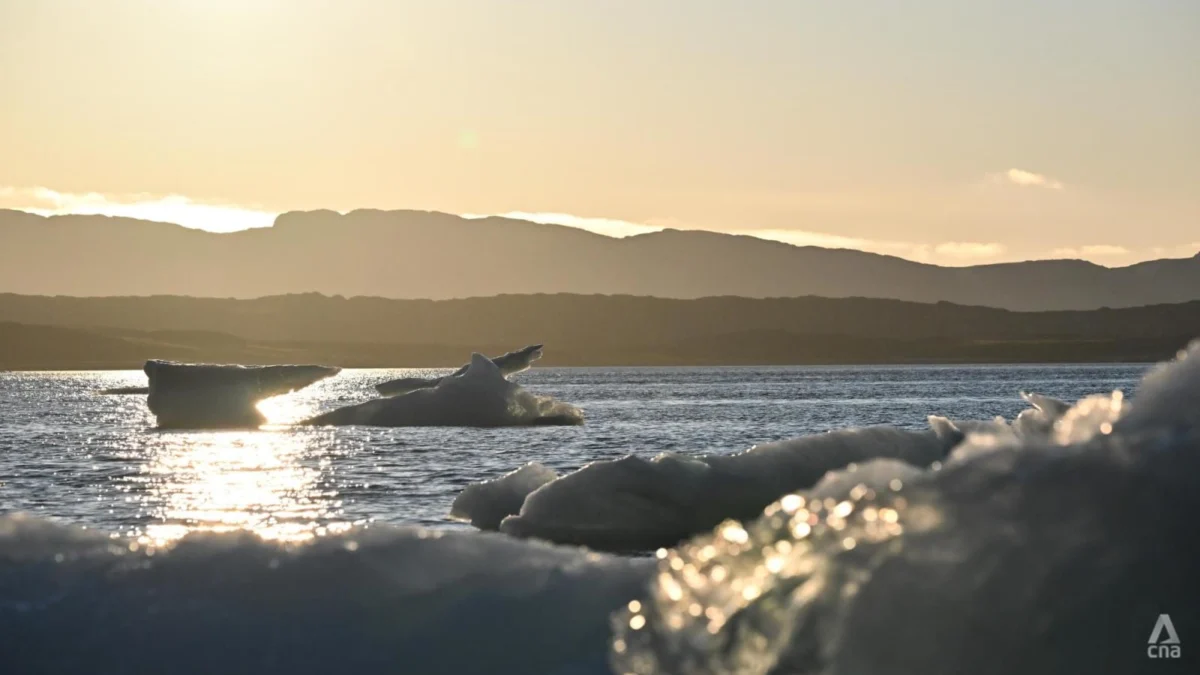
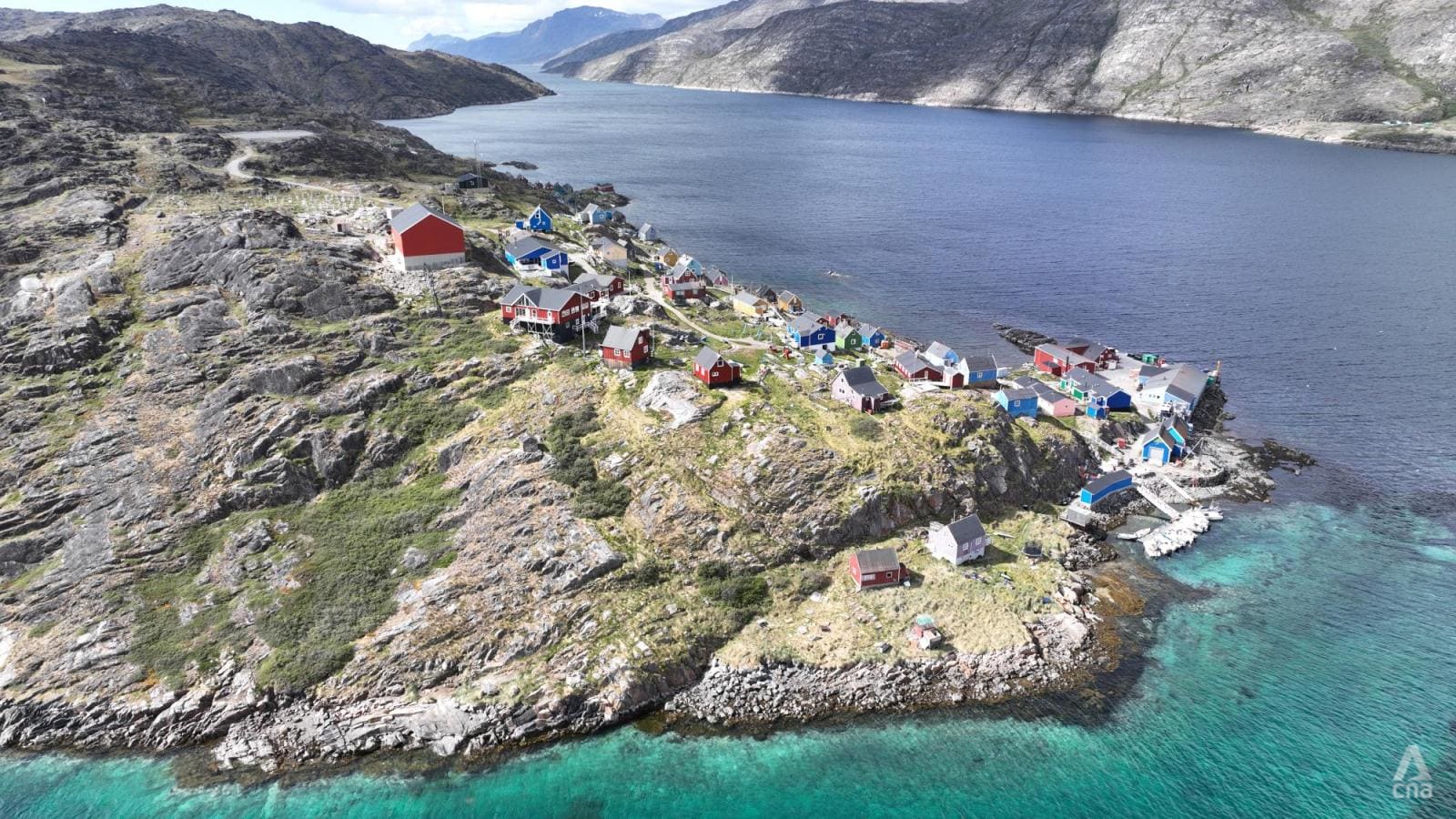
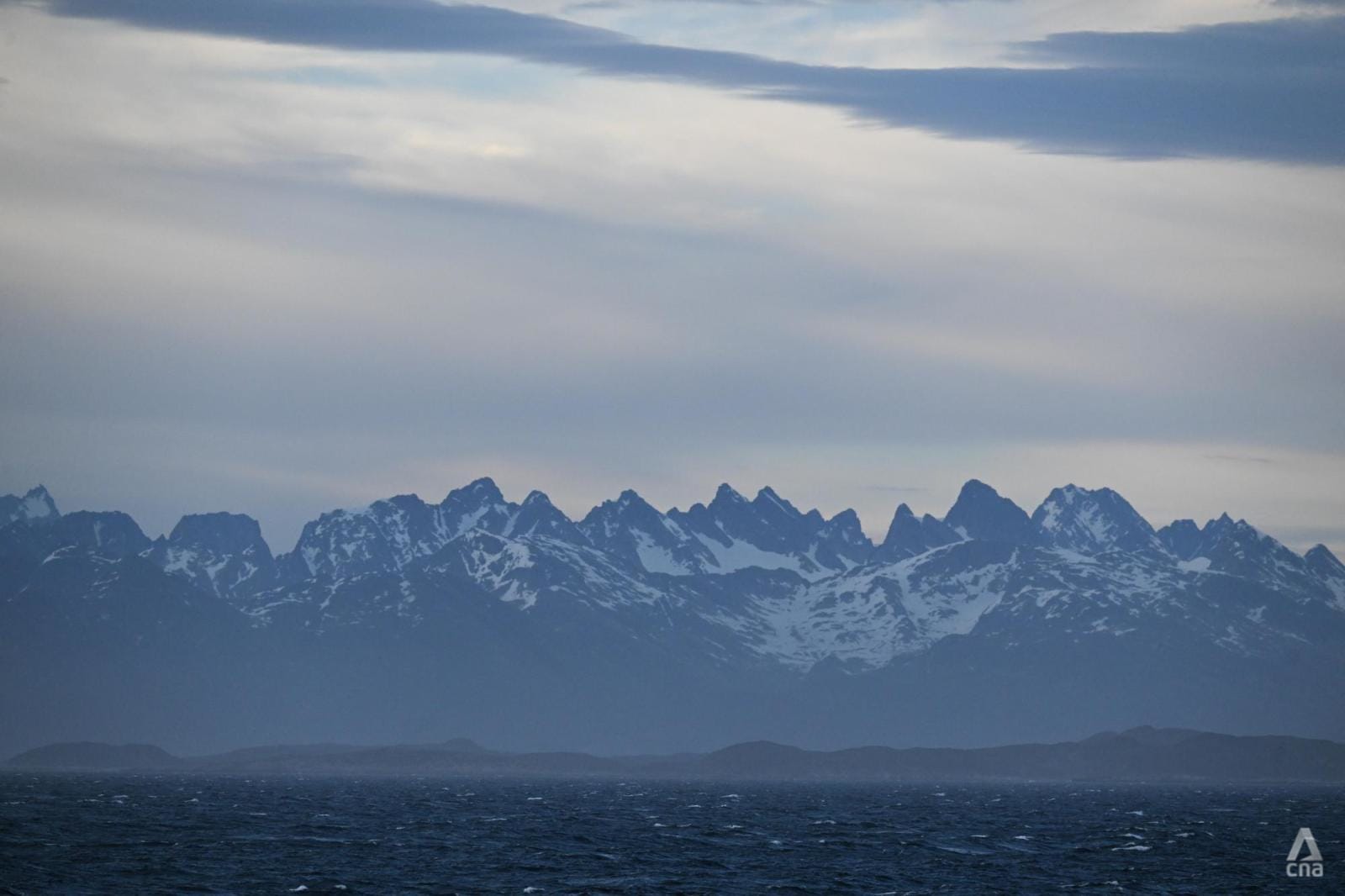
JustUpdateOnline.com – SISIMIUT, Greenland — Tucked away in a secluded bay along the Davis Strait, the village of Sarfannguit appears as a cluster of brightly painted homes scattered across a rugged granite landscape. While the scenery remains breathtaking, this small community of roughly 100 residents is standing on the front lines of an environmental transformation that threatens to reshape the entire planet.
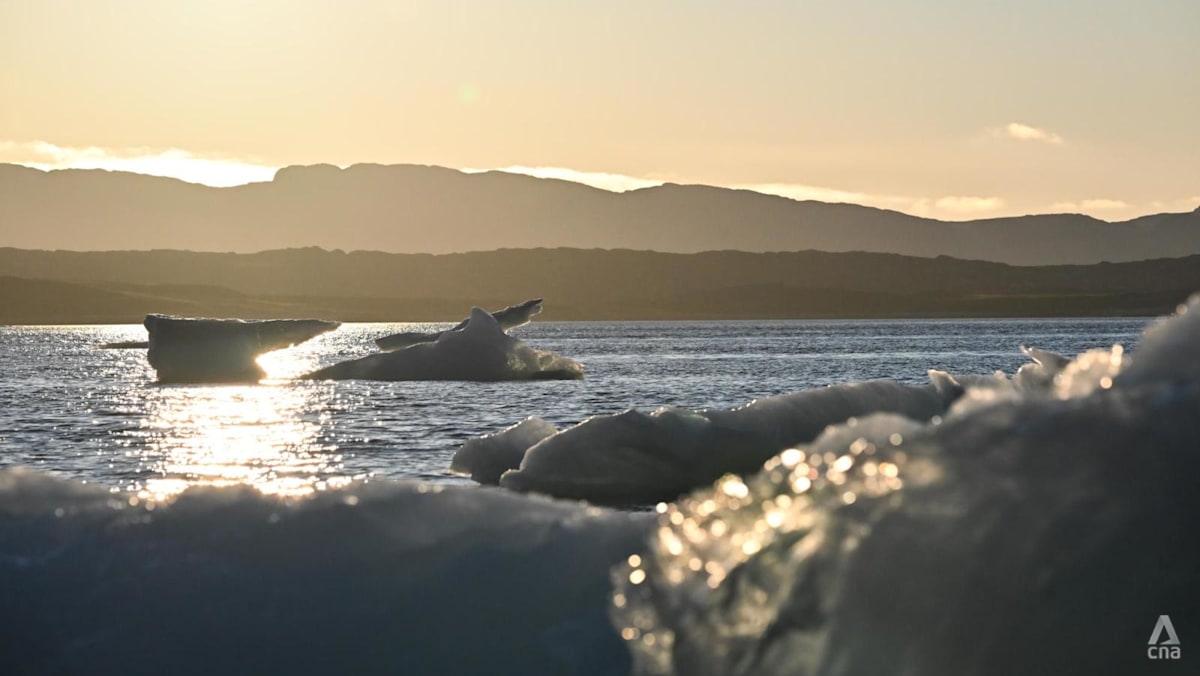
As the Arctic warms at a rate nearly four times faster than the global average, Greenland’s traditional way of life is colliding with modern geopolitical tensions and a climate crisis that reaches far beyond its icy borders.
A Heritage Under Threat
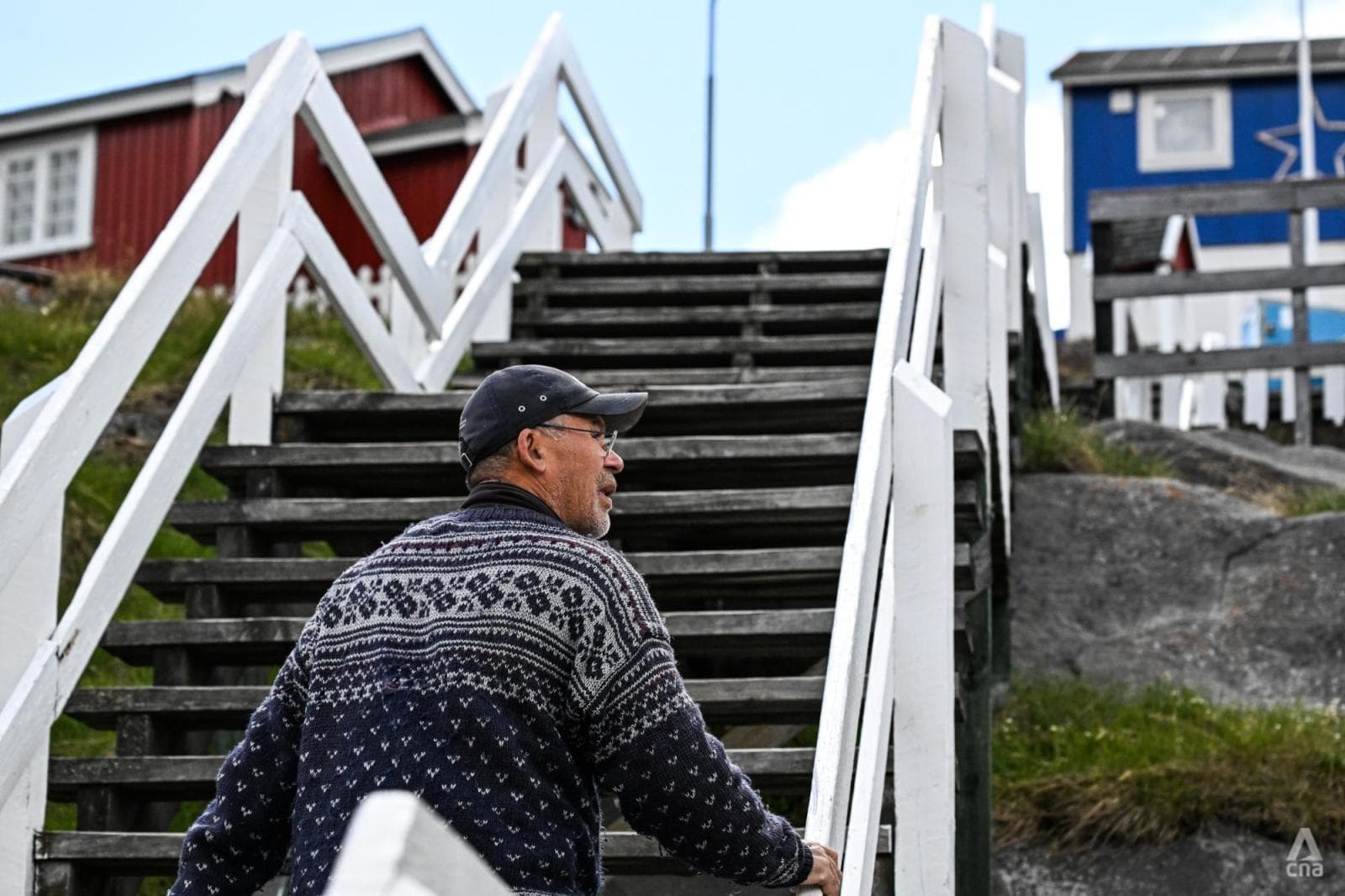
For millennia, the Inuit people have navigated these frozen terrains, relying on stable sea ice for hunting and transport. Hanserak Olsen, a 69-year-old local fisherman and guide, has spent his life observing the ebb and flow of the fjords. Today, he views the horizon with growing concern. The sea ice, once a reliable highway for dog sleds, has become thin and unpredictable.
"When I was a child, we could travel by dog sledge all the way to the neighboring towns," Olsen recalls. "Now, that is almost impossible."
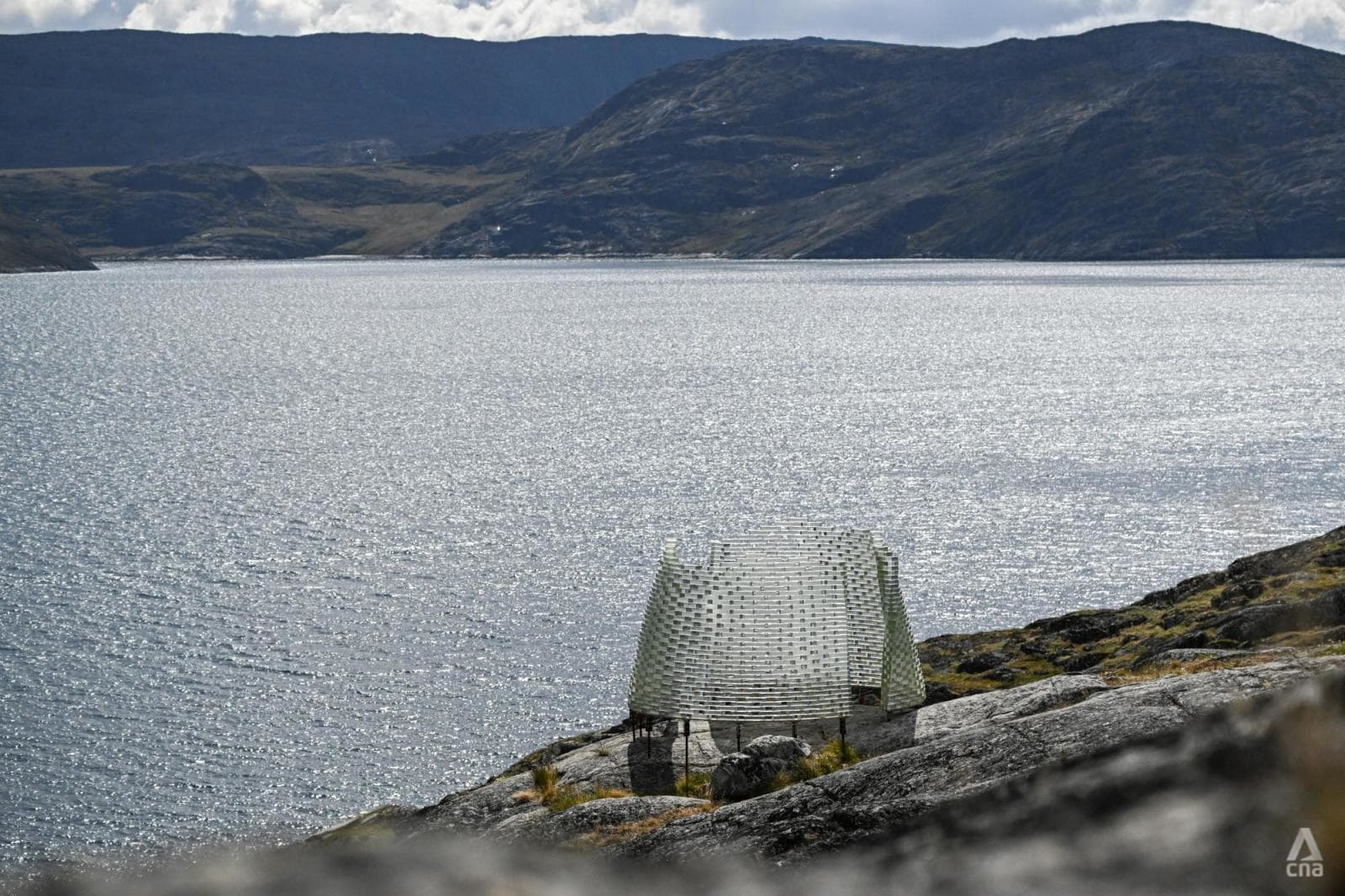
This shift is more than just an inconvenience; it is a cultural erosion. Younger generations are migrating to larger hubs like Sisimiut or Nuuk in search of modern amenities and stable employment, leaving behind aging artisans and a shrinking population. While landmarks like the "Qaammat" glass installation celebrate the region’s intangible heritage, the practical daily traditions of hunting and ice-fishing are slowly becoming relics of the past.
The Global Ripple Effect
The consequences of Greenland’s melting glaciers are not confined to the North Pole. Scientists warn that the island’s ice sheet is now a primary driver of global sea-level rise. According to the Intergovernmental Panel on Climate Change (IPCC), under high-emission scenarios, Greenland’s melt could contribute up to 18 centimeters to global sea levels by the end of the century.
This "slow-motion catastrophe" poses an existential threat to coastal megacities thousands of miles away, particularly in Asia. Low-lying urban centers such as Jakarta, Manila, Bangkok, and Ho Chi Minh City are among the most vulnerable. Experts estimate that 70% of the global population at risk from rising tides and land subsidence resides in Asia.
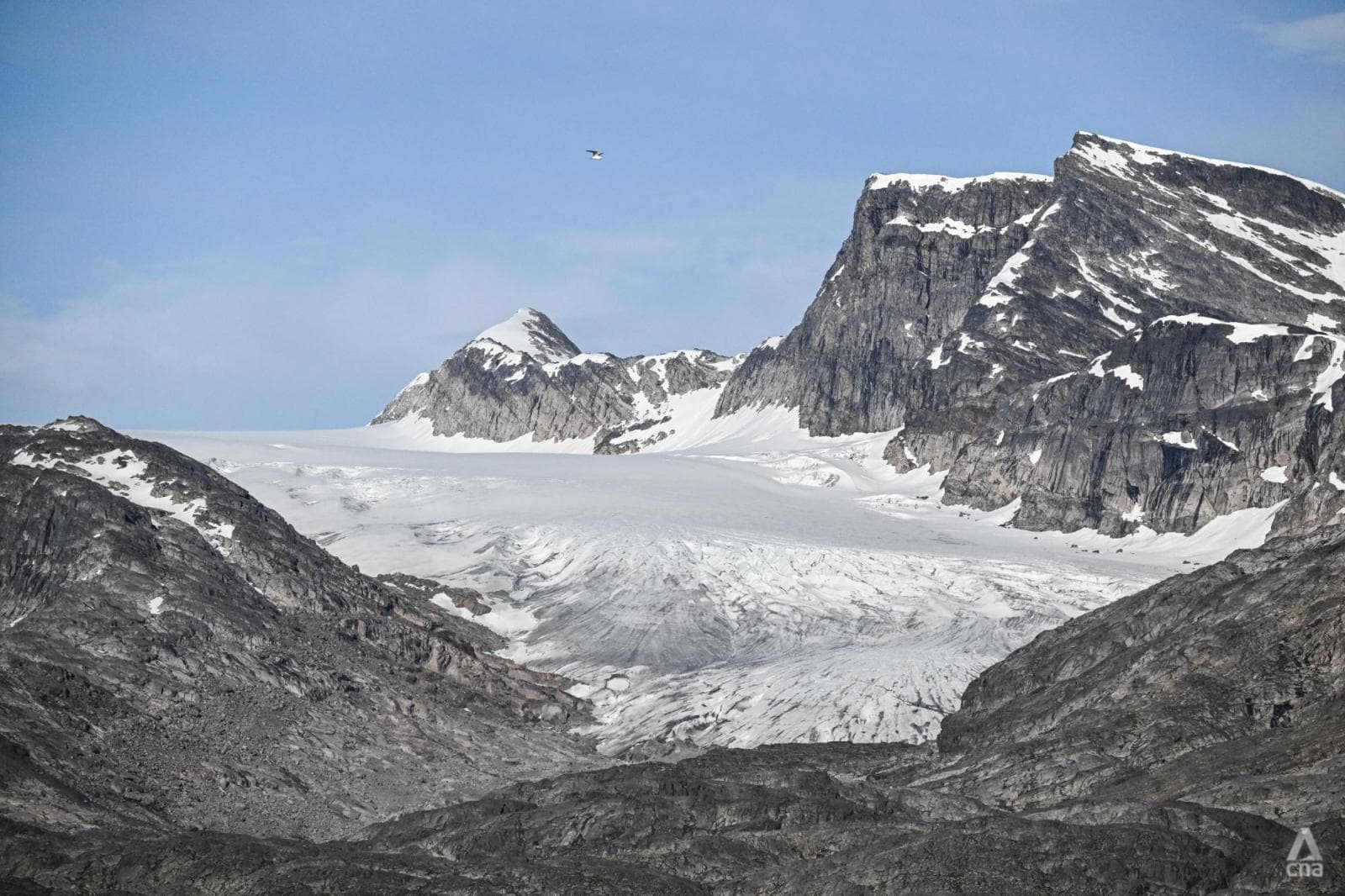
Benjamin Horton, a leading climate researcher, emphasizes the interconnectedness of the globe: "What happens in the Arctic does not stay there. It directly impacts the infrastructure, water supplies, and safety of coastal communities across the Asian continent."
Geopolitical Tensions in a Warming North
As the ice retreats, it reveals more than just bare rock; it opens up a new arena for international competition. The Arctic is increasingly viewed as a strategic treasure trove of critical minerals, including lithium and rare earth elements, essential for the global green energy transition.
This potential has drawn the eyes of world powers. The United States has signaled a renewed interest in Greenland’s strategic value, with political discussions occasionally touching on the prospect of increased American control over the territory. Meanwhile, China has attempted to embed itself in the region through infrastructure and mining investments, though many projects have stalled due to security concerns from Western allies.
Russia also remains a dominant force, refurbishing Soviet-era military bases and expanding its Northern Fleet. With longer periods of ice-free waters, the Arctic is becoming a corridor for naval patrols and seasonal shipping, turning a once-impenetrable wilderness into a theater of geopolitical maneuvering.
The Science of Accelerated Melt
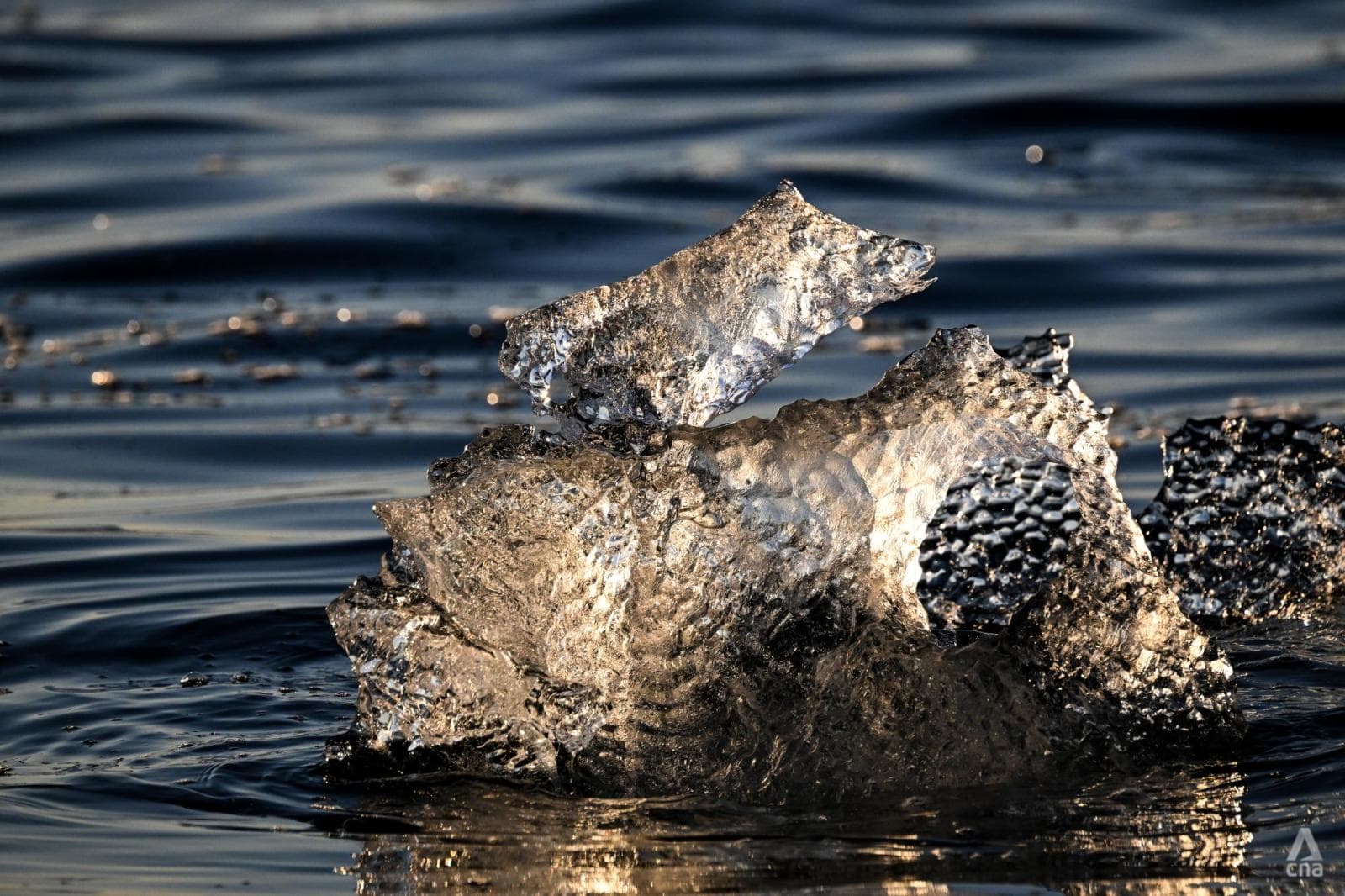
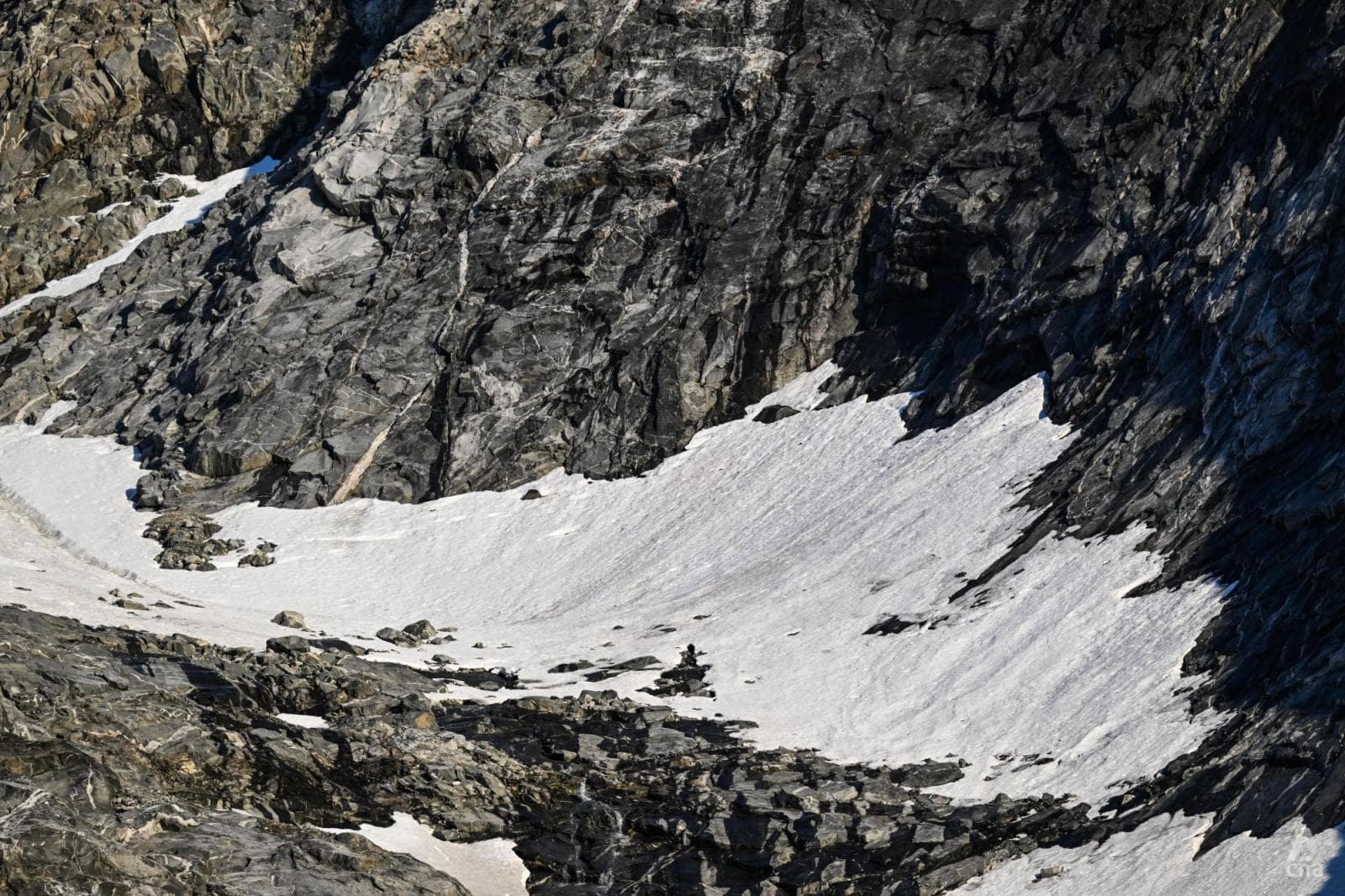
The mechanics of the melt are becoming more complex. Recent studies from the University of Birmingham suggest that as sea ice vanishes, the exposed ocean releases compounds that alter cloud formation. This could create a feedback loop that further accelerates warming. Furthermore, as the white, reflective snow disappears, it reveals darker ice and land that absorbs more solar heat, a process known as the albedo effect.
NASA satellite data confirms the severity of the situation, showing that Greenland lost an average of 264 billion tons of ice annually between 2002 and 2025. This influx of freshwater into the North Atlantic not only raises sea levels but also threatens to disrupt global weather patterns and ocean currents.
Adaptation and the Future
Despite the grim forecasts, Greenlandic society is attempting to pivot. The economy is shifting from traditional subsistence hunting to international tourism. In 2025, the island welcomed roughly 170,000 visitors, a significant increase from previous decades. New airports and infrastructure projects are underway to capitalize on this interest.
For locals like Villiam Olsen, who runs a dog-sledge taxi service, adaptation is the only way forward. While he has had to cancel tours due to lack of snow, he remains committed to sharing his culture with the world. "We want to carry our history into the future," he says.
However, for many, the change feels inevitable and overwhelming. Aleqatsiaq Peary, a hunter from the far northern town of Qaanaaq, offers a philosophical perspective on the shifting environment. "Culture is always in flux," he notes. "The world will continue to turn, even as the life we once knew disappears."
As the ice continues to crack and flow into the sea, Greenland remains a stark reminder that the boundaries of our world are more fragile than they appear, and the warnings from the "end of the world" are increasingly directed at everyone.
