

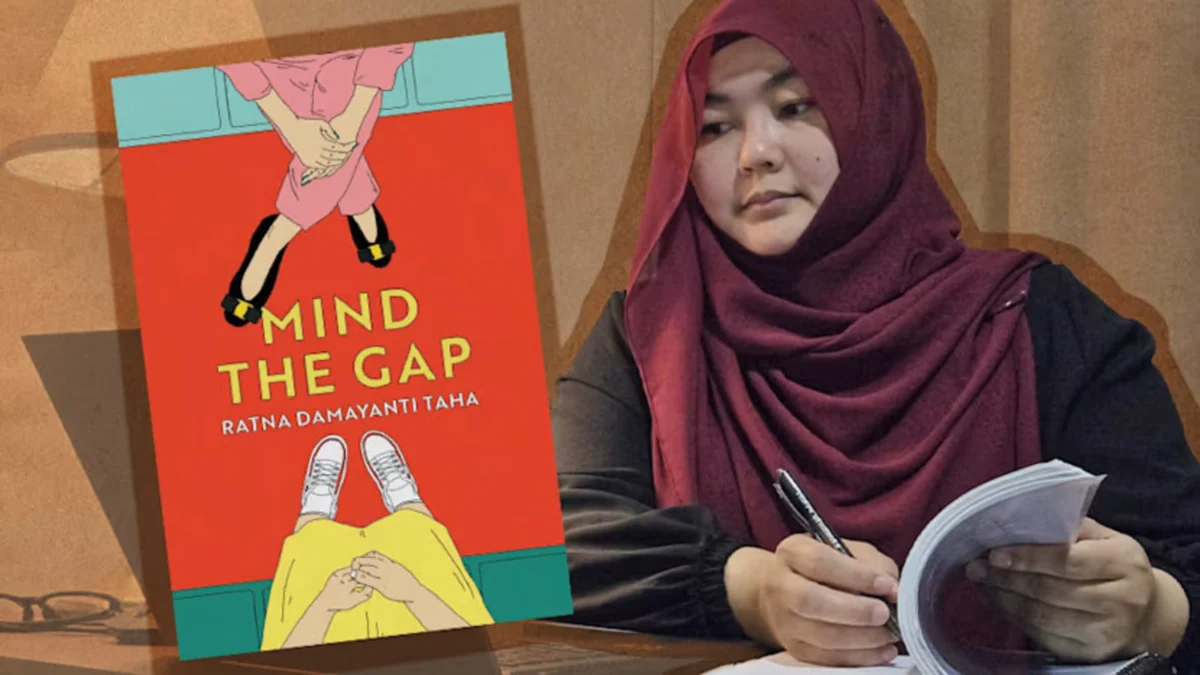
JustUpdateOnline.com – In a remarkable display of dedication and literary talent, 44-year-old Ratna Damayanti Taha has transformed her daily morning routine into a career-defining achievement. The Singapore-based mother of four recently secured the 2026 Epigram Books Fiction Prize for her debut novel, Mind The Gap, an honor that includes a S$25,000 cash prize and a professional publishing contract.
A Disciplined Creative Process
The journey to the award began in early 2025. Between February and June of that year, Taha committed three hours of every weekday to her manuscript. Each morning at 9:00 AM, as her home grew quiet, she would settle at her kitchen table with a cup of milk-heavy cappuccino to write.
Her novel, Mind The Gap, introduces readers to Nora, an introspective Malay girl whose personal growth mirrors the expansion of Singapore’s MRT network from the 1990s to the modern era. Through Nora’s eyes, the book examines the intersections of race, meritocracy, and the struggle to find one’s place in a rapidly changing society.

From Submission to Success
The emotional weight of the project became clear when Taha submitted her work in July 2025. After dropping off physical copies of her manuscript at the publisher’s office in Toa Payoh North, she found herself overwhelmed with emotion in a nearby parking lot.
"It was a moment of pure silence, as if the world had paused," she recalled, noting that the primary feeling was one of immense relief at finally reaching the finish line of a lifelong dream.
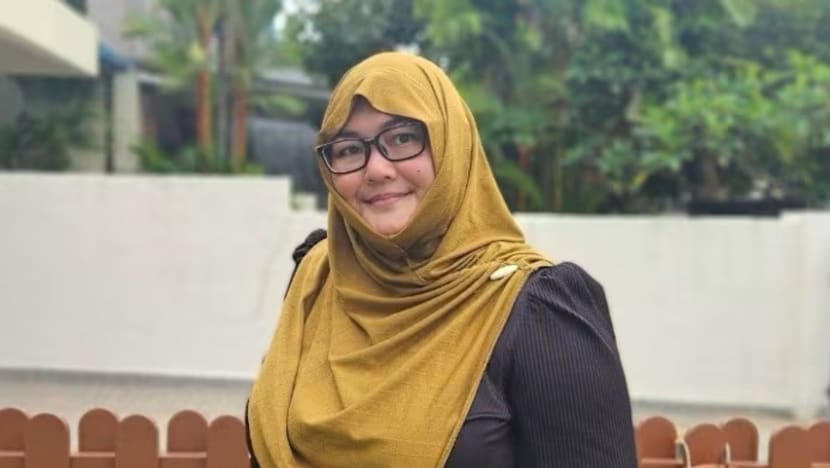
When she was officially named the winner in January 2026, Taha emerged from a competitive pool of over 50 entries from across Southeast Asia. The victory was a full-circle moment for a woman who balances her creative pursuits with her roles as a part-time academic, market researcher, and freelance translator.
Roots of Storytelling
Taha’s affinity for narratives was shaped early in life. Her father, who worked shift rotations, would regale her with spontaneous bedtime stories, while her mother taught herself English by frequenting public libraries and watching educational programs.

Her confidence as a writer was further bolstered by influential educators. In primary school, her English teacher’s practice of reading exceptional essays aloud to the class gave Taha her first sense of validation. Later, in secondary school, a supportive Malay language teacher encouraged her to embrace creative risks, teaching her that occasional failures were merely stepping stones to better work.
Writing Through Grief and Identity
The road to the Epigram Prize was not without significant challenges. In 2023, Taha faced the loss of her father. The grief was so profound that she stepped away from writing for nearly a year. It was only after a period of reflection on her father’s legacy and his stories—which had previously inspired her to win a Golden Point Award in 2021—that she was able to return to her novel.
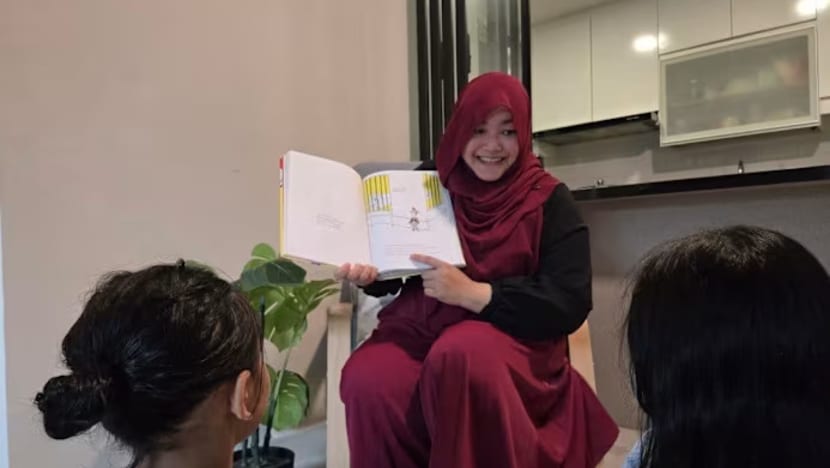
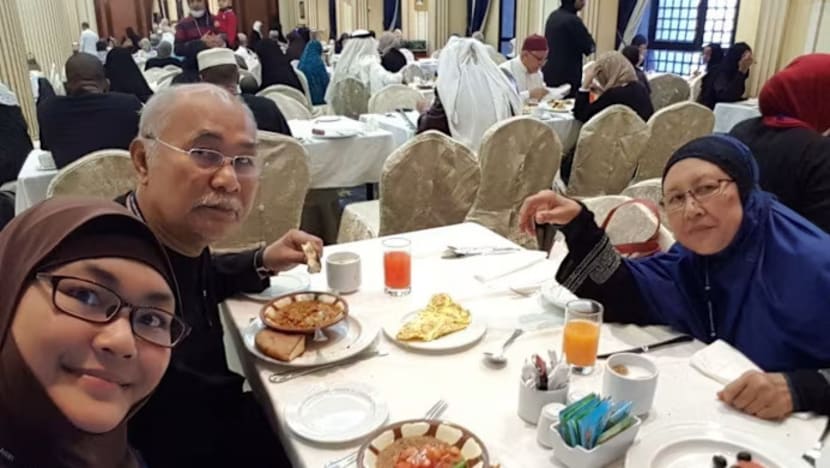
Taha also uses her platform to address themes of representation. As a Muslim woman who chooses to wear the hijab, she noticed a lack of protagonists in contemporary literature that her children could relate to. She views her writing as a way to challenge stereotypes and provide a more nuanced look at the Malay experience in Singapore.
Redefining Success
Despite holding a master’s degree, Taha has often faced questions regarding her choice to be a stay-at-home mother. However, she remains firm in her decision to define success by her own standards. Supported by her husband, she has embraced her multifaceted identity as a caregiver, scholar, and now, an award-winning novelist.
Her message to aspiring writers is one of persistence. She encourages others to save every fragment of their daily experiences, suggesting that the complexities and "chaos" of everyday life are actually the most valuable raw materials for storytelling.
