

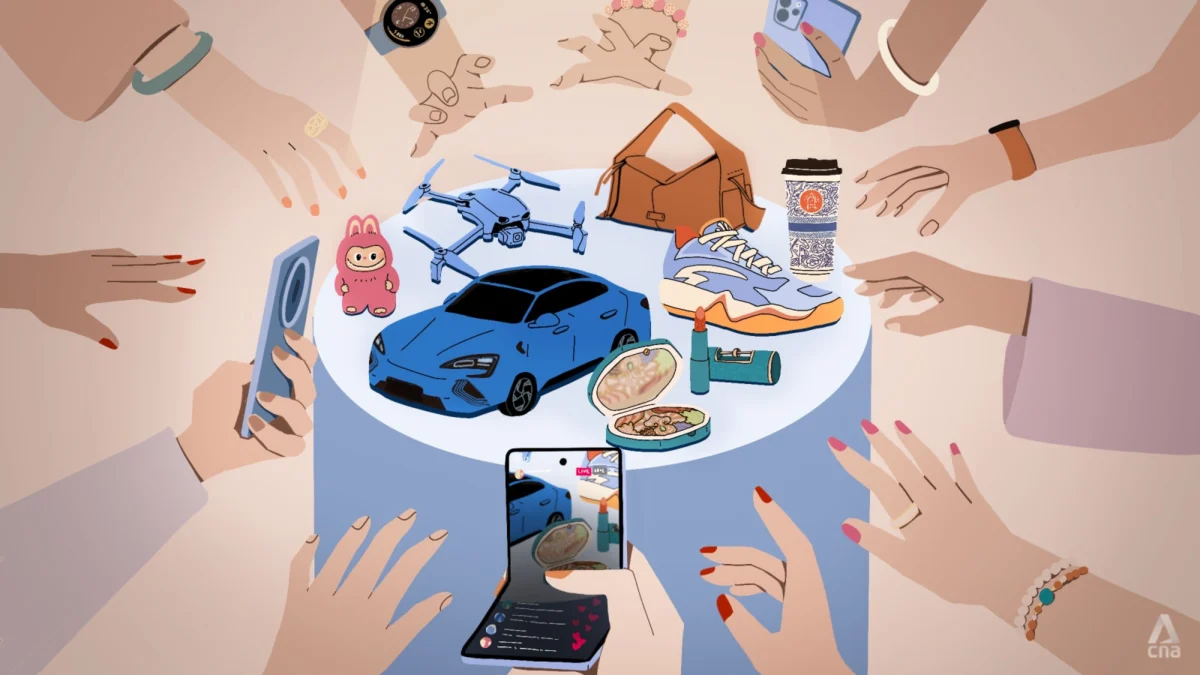
JustUpdateOnline.com – Shanghai, For decades, the global market viewed Chinese manufacturing primarily through the lens of mass-produced, low-cost goods. However, a significant cultural and economic shift is currently unfolding, as domestic brands transition from being mere manufacturers to becoming world-class innovators that command consumer loyalty both at home and abroad.
For consumers like Wang Jinghua, a 49-year-old advertising professional in Shanghai, the allure of prestigious Western labels has faded. Where she once coveted brands like L’Oreal or Louis Vuitton, her digital shopping cart is now filled with high-end Chinese skincare labels such as WIS and Creator. Her change in preference isn’t based on patriotism alone, but on the realization that local products now offer comparable, if not superior, quality and results.
A New Era of Consumer Confidence
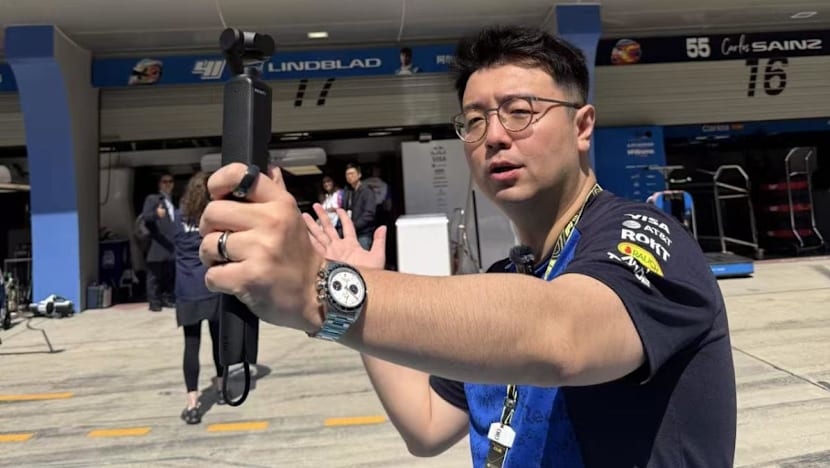
This trend is echoed across various sectors. Zhang Bowen, a 32-year-old content creator from Hangzhou, recently traded his American-made GoPro for a Shenzhen-based Insta360. He cites the extreme efficiency and responsiveness of Chinese companies as a deciding factor. When he requested a specific lighting integration for his racing simulator, a local firm, Ulanzi, assembled a team and delivered a solution within twenty-four hours—a level of agility rarely seen in traditional global conglomerates.

Industry analysts note that this is part of a broader movement where Chinese "national pride" meets genuine industrial advancement. Shaun Rein, managing director of China Market Research Group (CMR), observes that over the last five years, Chinese companies have bridged the gap with Western rivals, offering products that cater more precisely to modern lifestyles and aesthetic preferences.
Dominating the Domestic Landscape
The data reflects this seismic shift. In the cosmetics industry—a market valued at over 1.1 trillion yuan—local brands now control nearly 60% of the share, steadily displacing once-dominant South Korean and Western competitors.
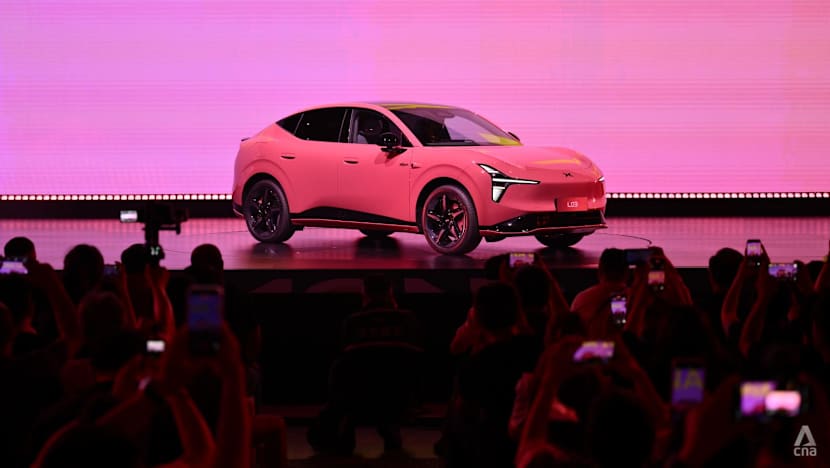
The automotive sector tells a similar story. Domestic electric vehicle (EV) manufacturers accounted for nearly 70% of retail sales in mid-2026. Meanwhile, legacy automakers from Germany, Japan, and the United States have seen their market presence dwindle to record lows. From sportswear giants like Anta and Li-Ning—who are now outperforming Adidas and Nike in China—to tech leaders like DJI, the "local-first" mentality is becoming the standard.
Strategic Global Expansion and Storytelling
The ambition of these companies extends far beyond their borders. However, modern Chinese brands are moving away from aggressive price-cutting, focusing instead on "soft power" and sophisticated storytelling.
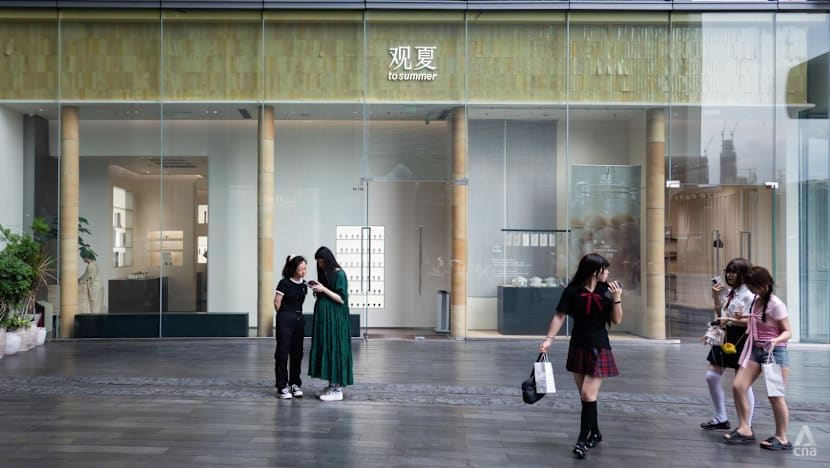
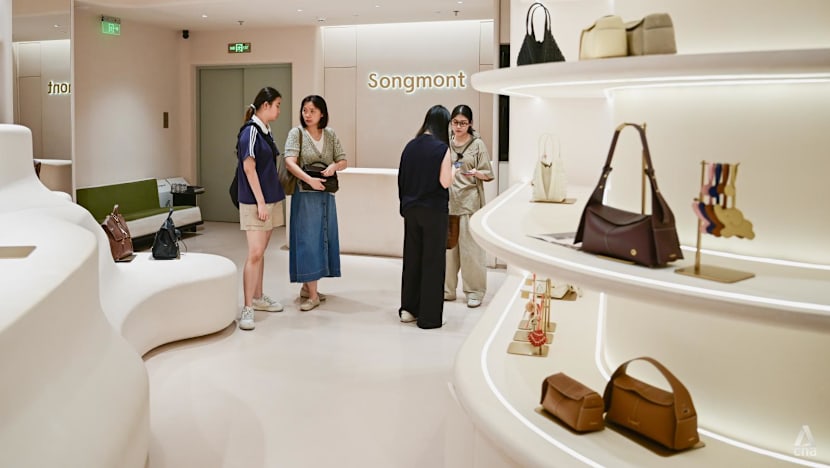
Brands like Songmont, a designer bag label, emphasize timeless craftsmanship and cultural identity over flashy logos. Similarly, the beauty brand Florasis has successfully entered international markets like Japan and France by blending traditional Chinese aesthetics with "clean beauty" standards.
Gabby Chen, President of Global Expansion at Florasis, explains that success abroad requires more than just translation; it requires deep localization. For instance, their traditional herbal ingredients are marketed as "botanical" in Europe and "clean beauty" in the U.S. to align with regional consumer values.
The Digital Advantage and Engineering Bonus
China’s unique digital ecosystem—comprising platforms like Douyin, Xiaohongshu, and WeChat—provides a massive data advantage. Companies can receive real-time feedback and iterate products at a pace that traditional Western firms struggle to match. This "engineer bonus"—the vast pool of local technical talent—allows companies to turn consumer suggestions into physical features almost overnight.
Eugene Lee, a marketing executive for the tea chain Chagee, notes that deep localization is the key to longevity. When Chagee expanded to Malaysia, they adjusted their matcha recipes based on local taste tests rather than forcing a "one-size-fits-all" menu.
Challenges on the Horizon
Despite the momentum, hurdles remain. Geopolitical tensions and the lingering "cheap" stigma in some Western regions present obstacles for brands aiming for true global status. Experts warn that viral success, such as the global "Labubu" doll craze by Pop Mart, must be backed by long-term brand building and emotional connection to avoid becoming a passing fad.
Building a global brand is a marathon, not a sprint. Analysts compare China’s current trajectory to the industrial evolution of Japan and South Korea between the 1960s and 1990s. Just as Sony and Samsung transformed from budget options into premium global leaders, Chinese brands are now climbing the value chain.

As international tourists return to shopping districts like Shanghai’s Huaihai Road, they are increasingly seen queuing for local labels rather than foreign luxury goods. This shift suggests that the "Made in China" label is no longer just about where a product is built, but about the innovation and cultural prestige it represents to the world.
