

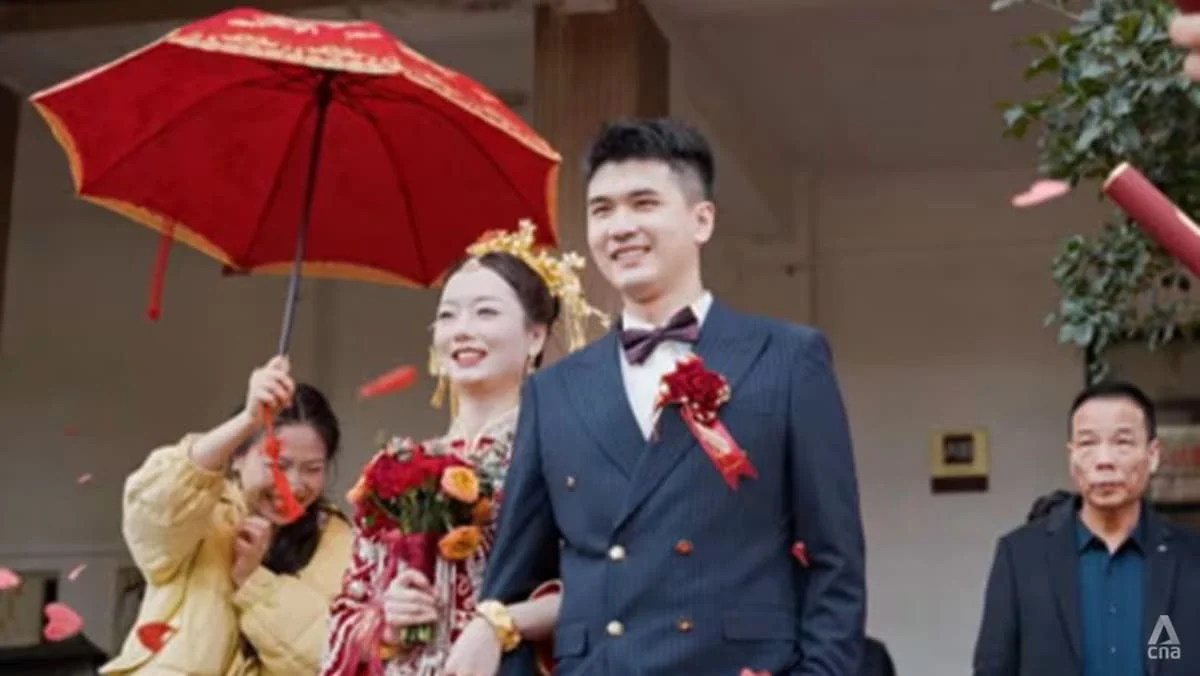
JustUpdateOnline.com – Chengdu, At 33 years old, Zhao Xiangjie appears to be the ideal candidate for marriage on paper. He earns a substantial annual salary of 800 million rupiah (300,000 yuan) as an IT product manager, owns a car, maintains a dedicated fitness routine, and holds the deeds to multiple apartments in Chengdu. Despite these impressive credentials, Zhao remains single—a situation that is becoming increasingly common across the country.
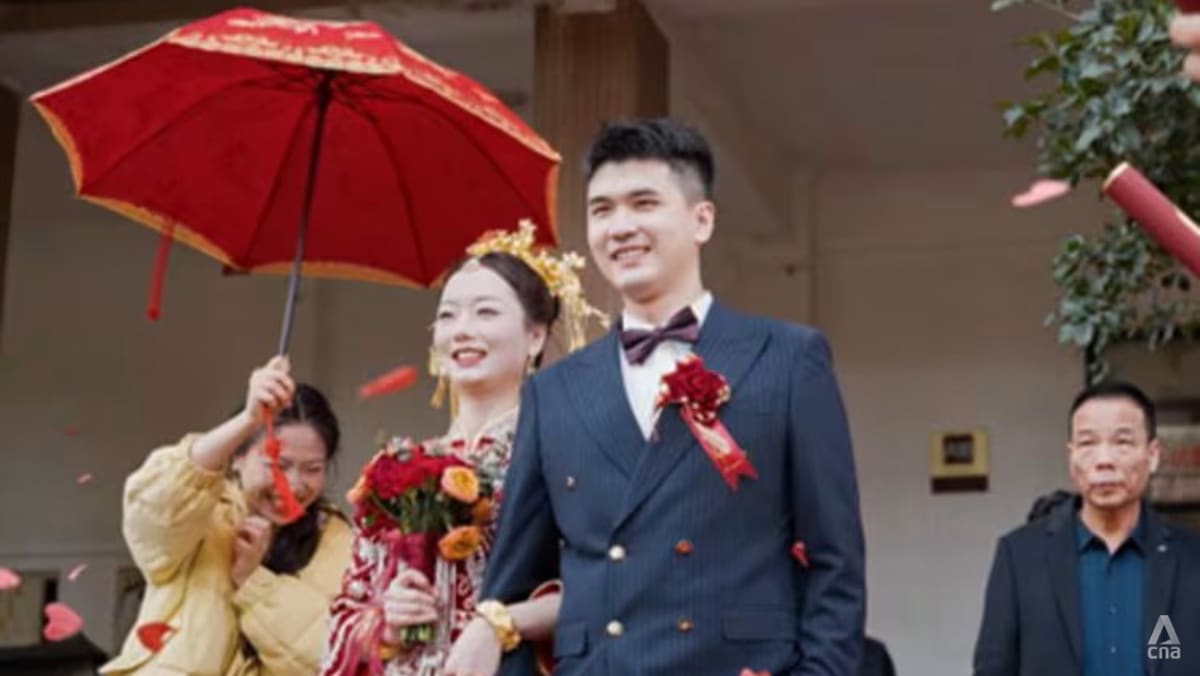
When he sought the help of professional matchmaker Jiang Ping, her first question was blunt: "Why are you still alone?" Zhao’s response reflected a growing irony in modern Chinese society: the individuals who seemingly have everything are often the ones struggling the most to find a partner.
A Demographic Imbalance
China is currently grappling with a severe gender disparity. Following decades of the one-child policy and a traditional preference for male heirs, there are now roughly 30 million more men than women in the country. This imbalance has turned the dating world into a hyper-competitive arena.

Marriage rates have also seen a dramatic decline. In 2025, only 6.76 million couples registered for marriage—a figure that represents a 50% drop compared to a decade ago. In response to this crisis, the ancient practice of matchmaking has evolved into a sophisticated modern industry, offering everything from personality coaching to high-speed dating events and digital livestreams.
The Rising Cost of Partnership
For many young professionals, the primary obstacle is a lack of time. High-pressure "996" work cultures (9 a.m. to 9 p.m., six days a week) leave little room for socializing outside of immediate work circles.
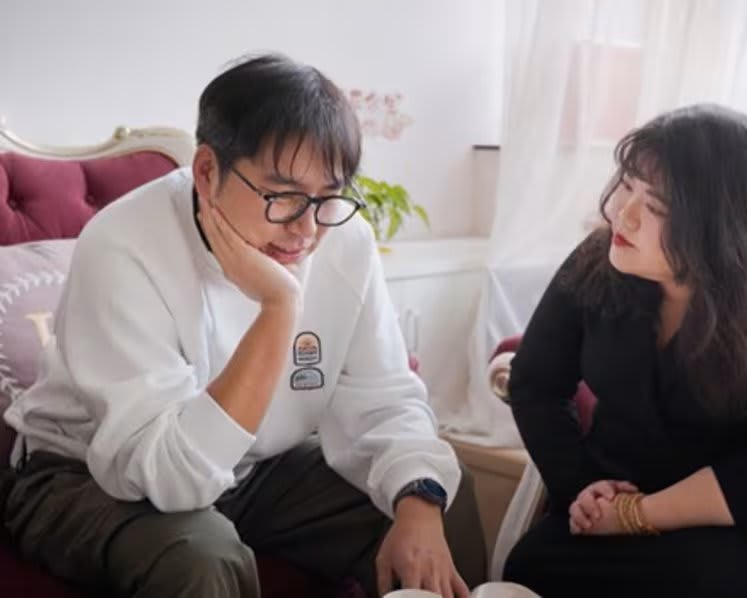
"Matchmakers offer a level of efficiency that traditional dating lacks," explained an engineer nicknamed "Cong," who uses these services to screen potential partners quickly. In these agencies, first meetings are often capped at 30 minutes to prevent "time-wasting" if a spark isn’t immediate.
However, because women are in shorter supply, their expectations have skyrocketed. In provinces like Shandong, matchmakers note that many women now demand "mortgage-free" apartments with at least three bedrooms, a car, and a stable government job with a monthly salary of at least 12,000 yuan (32 million rupiah).
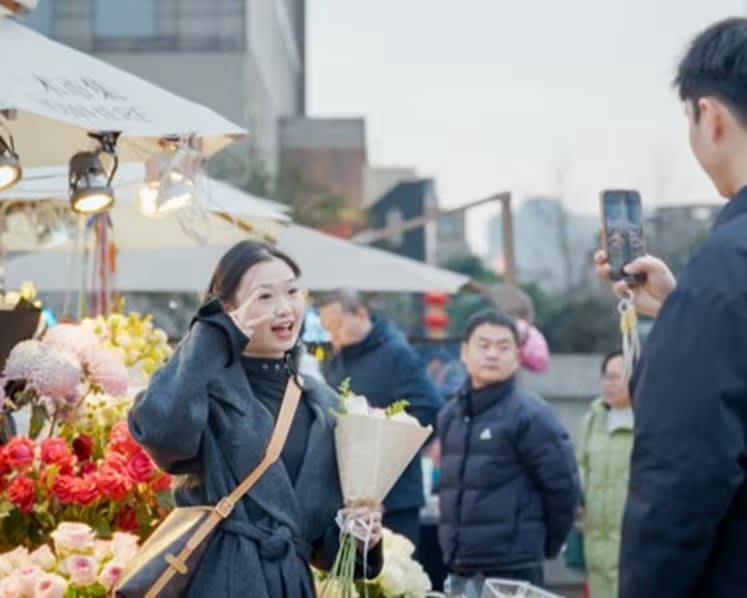
This leaves men like 31-year-old Sun Guoxu in a difficult position. As a machinery salesman still paying off his home loan, he has faced repeated rejections from women who are unwilling to "struggle" alongside a partner, preferring instead to marry into established wealth.
Coaching the Modern Groom
Matchmakers today do more than just exchange phone numbers; they act as psychological counselors and social coaches. They help men navigate the complexities of female expectations and emotional intelligence.

In Shanghai, agency owner Meng Weili focuses on guiding introverted clients like Cong, teaching them how to avoid sensitive topics—such as past relationships—during initial encounters. The goal, according to matchmakers, is not to find "the one" in a single afternoon, but simply to secure a second date.
Sometimes, the job requires a "reality check." Some men, despite having modest incomes or no property, maintain a long list of requirements for their future wives, such as youth, beauty, and specific educational backgrounds. Matchmakers often have to confront these clients with the harsh reality of their "market value."

Shifting Social Norms and Family Pressure
While the search for traditional marriage continues, social norms in China are beginning to fracture. Some women are choosing to bypass marriage entirely. Jiang Ping, the matchmaker, is herself a single mother by choice, reflecting a new trend where marriage is viewed as an option rather than a necessity.
In response to these shifts, local governments, such as those in Sichuan, have begun extending benefits to single mothers that were previously reserved for married couples.

Despite these progressive shifts, the pressure from the older generation remains suffocating for many men. During Lunar New Year celebrations, bachelors like Zhao are often bombarded with questions from anxious parents who view marriage as the ultimate benchmark of success.
For Zhao, the dream remains simple: a home with a wife, two children, and pets. But in a landscape defined by a 30-million-man surplus and rising financial demands, that dream feels increasingly difficult to reach.
