

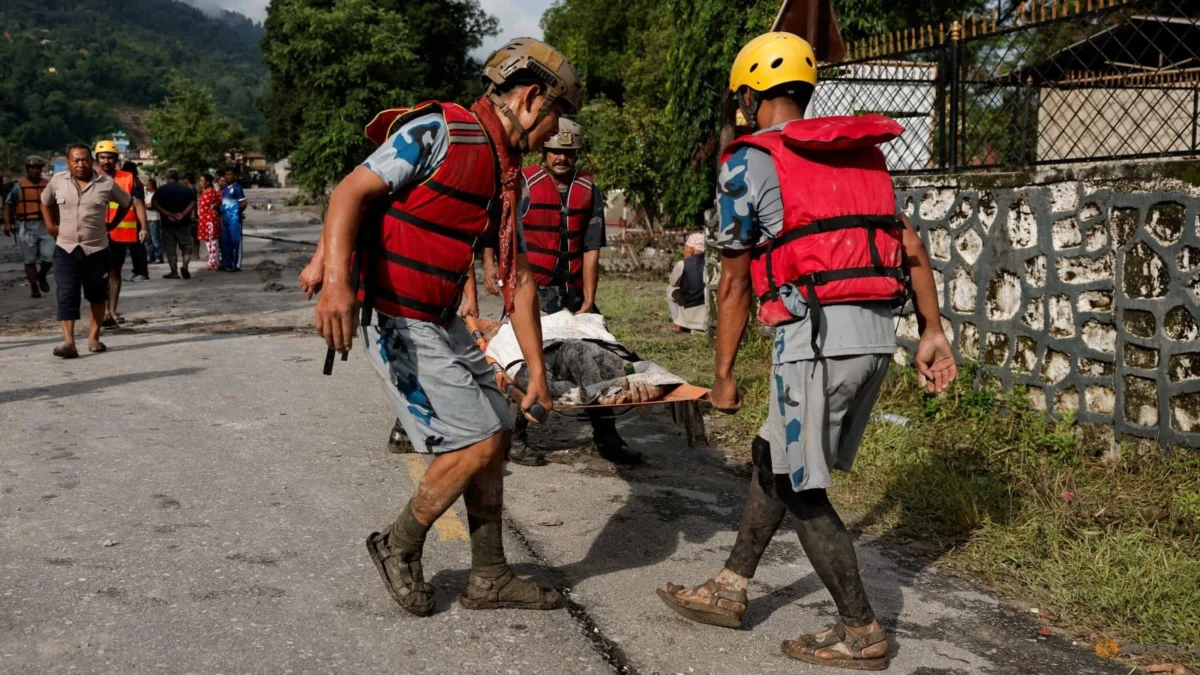
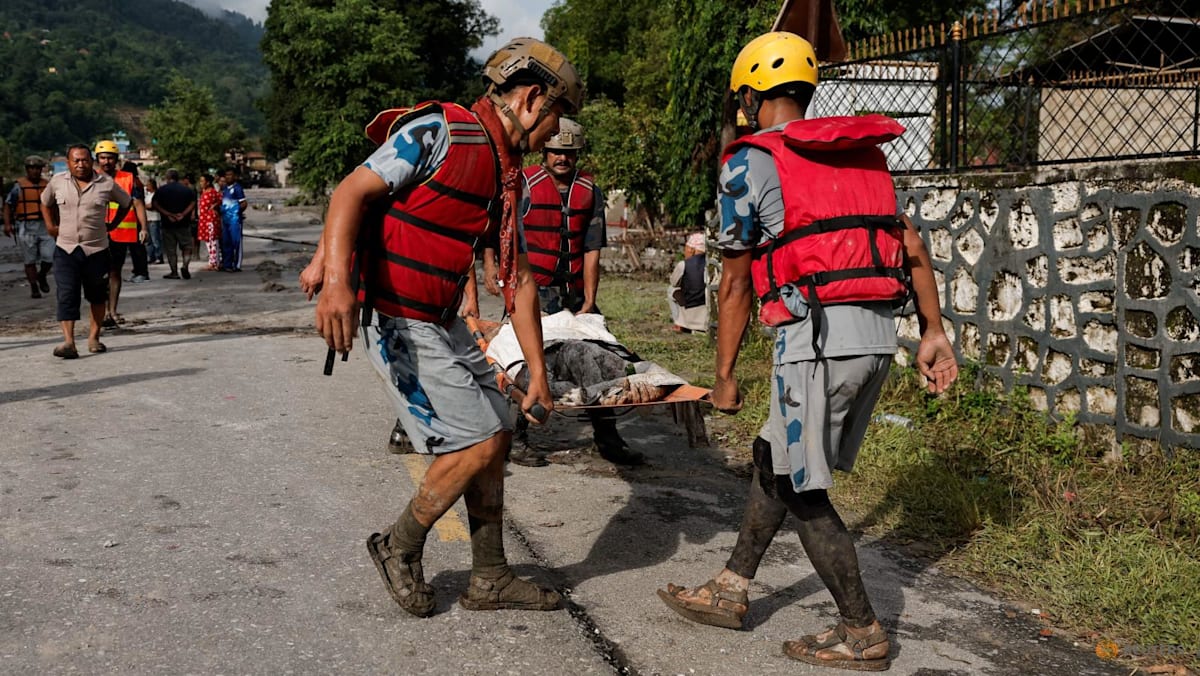
JustUpdateOnline.com – Trishuli, A massive search and recovery operation is currently underway in the Himalayan region after a catastrophic flash flood left at least 1,500 people missing across Nepal and Tibet. As of Thursday, official records confirm 165 fatalities, though authorities fear the death toll will climb significantly as rescue teams reach more isolated areas.
The disaster, which struck on Wednesday, was triggered by a glacial collapse, according to data from the United States Geological Survey (USGS). This geological failure unleashed a violent torrent of mud and debris that decimated entire communities, critical infrastructure, and transportation networks.
International Tourists Caught in the Crisis
Among those missing are nearly 500 international visitors in Nepal alone. Tourism officials and police have released a breakdown of the nationalities involved, highlighting the global scale of the tragedy. The missing include 177 citizens from India, 63 from the United States, 34 from Australia, 33 from the United Kingdom, 25 from Canada, and 9 from Singapore.
In Tibet’s Gyirong region, Chinese state media reported that 558 individuals remain missing, including 260 foreign nationals. While the destruction there is immense, Chinese officials have currently kept the confirmed death toll at three.
Diplomatic Efforts and Communication Blackouts
The Malaysian government is closely monitoring the situation, as 55 of its citizens are currently unreachable. Prime Minister Anwar Ibrahim stated that the Malaysian Embassy in Kathmandu is working tirelessly with local authorities, noting that severe damage to power grids and communication towers has made contact nearly impossible.
Similarly, Australian Foreign Minister Penny Wong confirmed that at least 34 Australians are unaccounted for. A significant portion of this group was part of a pilgrimage to Mount Kailash. Sagar Pandey, CEO of the travel agency organizing the trip, painted a grim picture after conducting an aerial survey. He estimated the chance of finding survivors in the flattened settlements at just one percent, noting that "everything has been leveled."
A "Terrestrial Tsunami"
Environmental historians have likened the disaster to an "inland tsunami." The surge of mud and wreckage traveled nearly 170 kilometers through the Bhote Koshi valley, a route frequently used by travelers moving between Kathmandu and Lhasa.
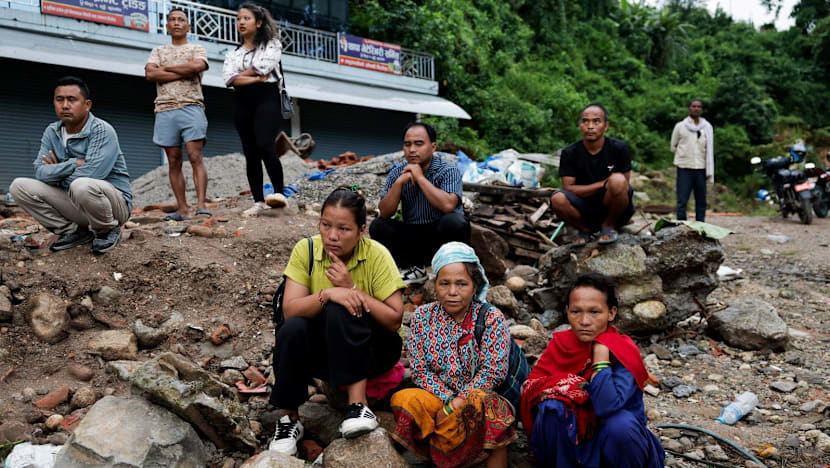
Survivors have shared harrowing accounts of the event. Keshav Prasad Baral, 68, described a wall of mud rising higher as it approached his home. He recounted the heartbreaking moment he tried to pull his wife to safety, only to see her swept away by the current. Another survivor managed to stay alive by clinging to a mango tree while watching their place of employment vanish in seconds.
Ongoing Rescue Operations
The Nepalese military is spearheading aerial rescue missions, successfully extracting dozens of people from high-risk zones. However, the threat is not over; officials continue to warn residents near riverbanks of potential secondary flooding.
As families like that of Subash Khatani—who is searching for his brother in the Rasuwa district—desperately comb through the debris, the region remains on high alert. The focus remains on locating the hundreds of missing persons before the window for survival closes entirely.
