

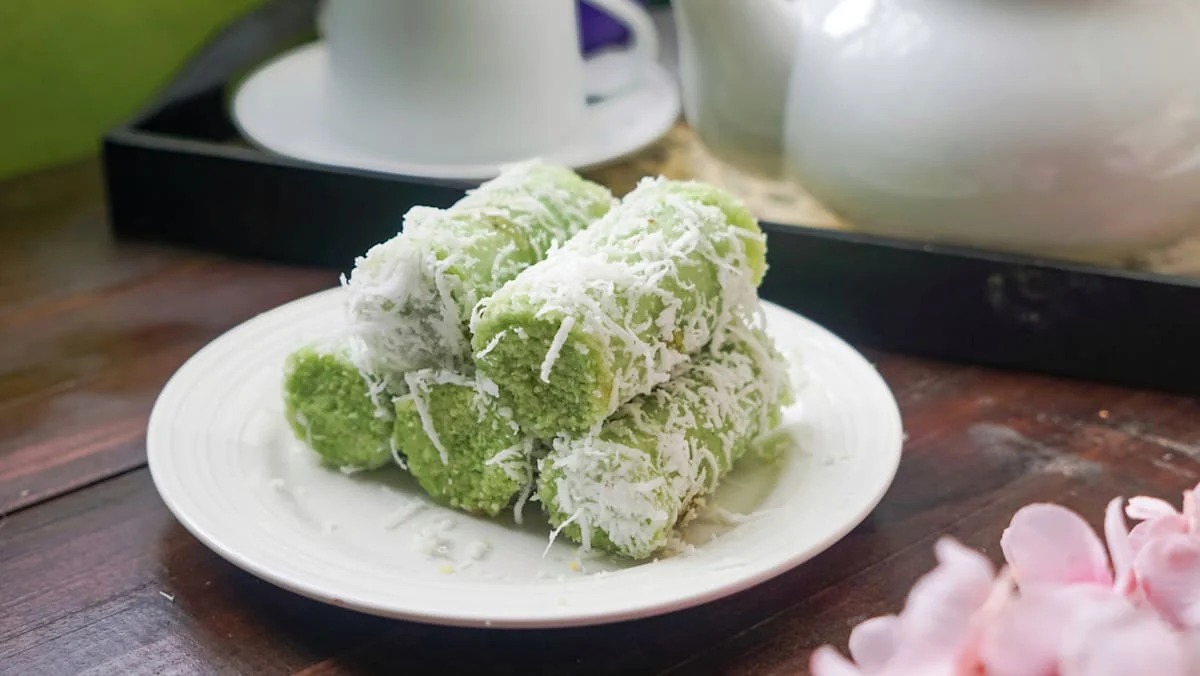
JustUpdateOnline.com – JAKARTA: The nostalgic, high-pitched whistle of a kue putu cart is a familiar sound in many neighborhoods, yet health experts are raising alarms over a dangerous modern shift in how this traditional treat is prepared. While the snack was historically steamed in bamboo tubes, many contemporary vendors have switched to industrial PVC piping, a move that could have severe long-term health consequences for consumers.
Professor Eko Hari Purnomo, a specialist in Food Physical Characteristics from IPB University’s Department of Food Science and Technology, has cautioned that using synthetic piping for food preparation can introduce carcinogenic substances into the body and severely impair organ function.
According to Professor Eko, standard PVC (polyvinyl chloride) pipes—specifically the unplasticized variety—were engineered strictly for transporting cold fluids. These materials are generally rated for temperatures below 50 degrees Celsius and were never intended to withstand the rigors of a high-heat kitchen environment.
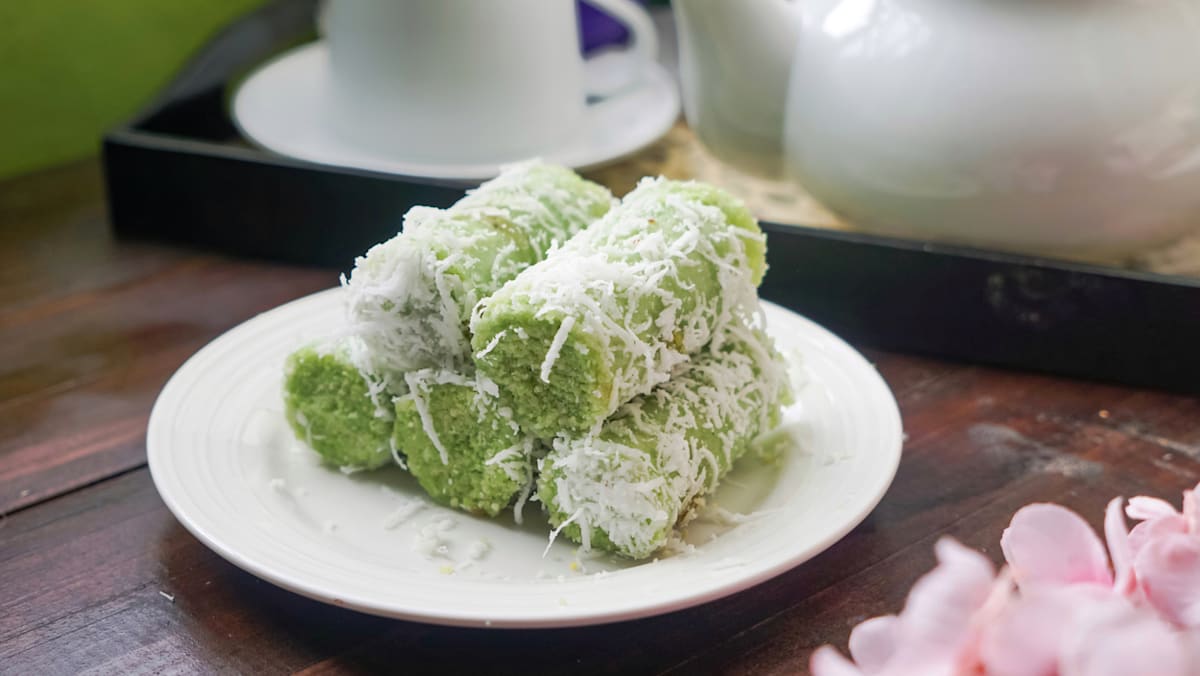
The conflict arises during the steaming process. To properly cook the rice flour used in kue putu, the starch must undergo gelatinization, which typically occurs at approximately 80 degrees Celsius. Achieving this requires the use of pressurized steam reaching 100 degrees Celsius.
"When exposed to these extreme temperatures, the chemical components of the plastic can migrate directly into the food," Professor Eko explained in a statement released via the university’s official channel. He noted that the heat triggers the release of various additives, including stabilizers that often contain lead (Pb).
Consistent ingestion of these heavy metals can lead to chronic kidney issues. Furthermore, the heat may cause the migration of vinyl chloride monomers, which are recognized as carcinogenic agents capable of triggering cancer growth in humans.
A Call for Traditional and Safe Alternatives
To mitigate these risks, experts are urging a return to traditional methods. Using natural bamboo molds is not only safer for the consumer but also more environmentally sustainable. Beyond the health benefits, the use of bamboo preserves the authentic cultural essence of the culinary heritage, provided the tools are kept clean.
For vendors who prefer modern materials, the professor emphasized that only certified "food-grade" plastics designed to withstand boiling temperatures should be utilized.
Ensuring food safety is a collective effort. Professor Eko highlighted that the responsibility does not rest solely on the vendors. He called upon the Indonesian Food and Drug Authority (BPOM), local government bodies, and academic institutions to play a more proactive role in educating both the sellers and the general public.
Consumers are encouraged to be more observant of how their food is prepared. By choosing vendors who prioritize safety and traditional standards, the public can enjoy these nostalgic flavors without compromising their long-term well-being.
