


JustUpdateOnline.com – Jakarta, Indonesia is being called upon to seize a leadership role in international climate diplomacy as the world grapples with shifting geopolitical priorities and the urgent need for a sustainable energy transition. During the 2026 Indonesia Net-Zero Summit (INZS) held at Balai Kartini on August 1, experts and officials emphasized that the nation’s natural resources position it as a pivotal player in the fight against global warming.
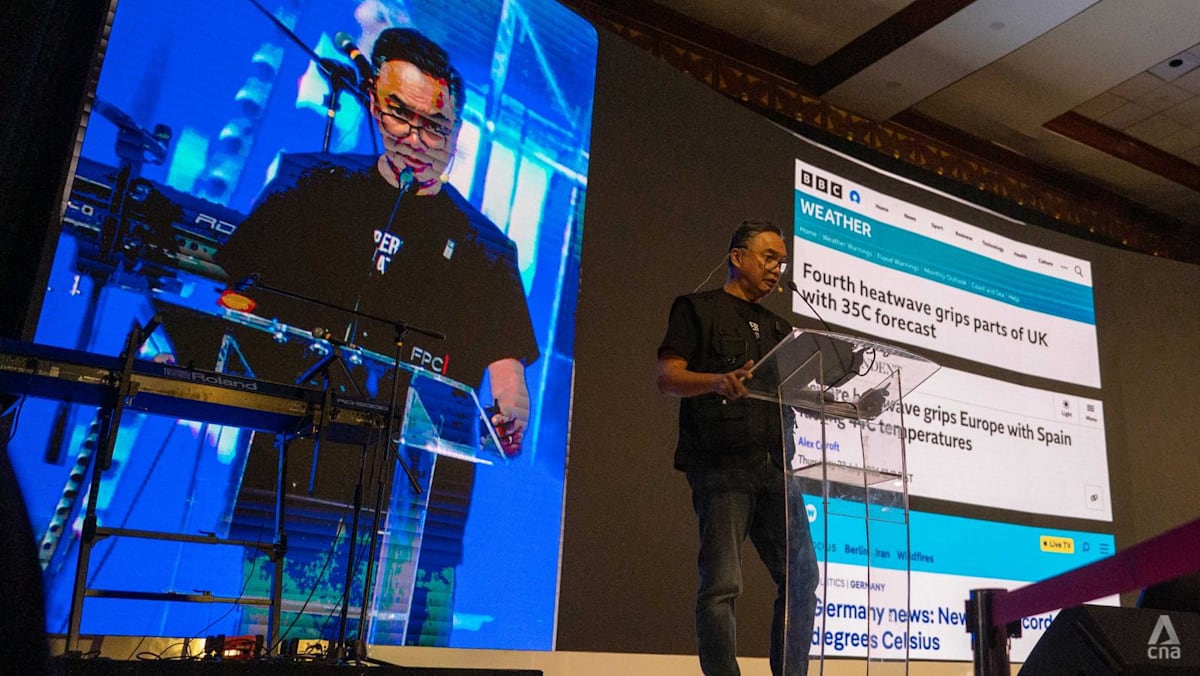
Dino Patti Djalal, the founder of the Foreign Policy Community of Indonesia (FPCI), opened the conference by warning that the climate crisis has become a significant "oversight" in modern international relations. He noted that while the world is preoccupied with regional conflicts, the rapid rise of artificial intelligence, and intense trade rivalries, environmental urgency is frequently sidelined. Djalal argued that climate change is often viewed as an interesting topic but is no longer treated with the immediate gravity it requires.
To counter this trend, Djalal urged the Indonesian government to take a more assertive stance within the G20, a group responsible for the vast majority of global greenhouse gas emissions. He also suggested that Indonesia should be vocal regarding the international repercussions of major powers fluctuating on their environmental commitments, such as the U.S. previously stepping back from the Paris Agreement, which places a heavier burden on developing nations.
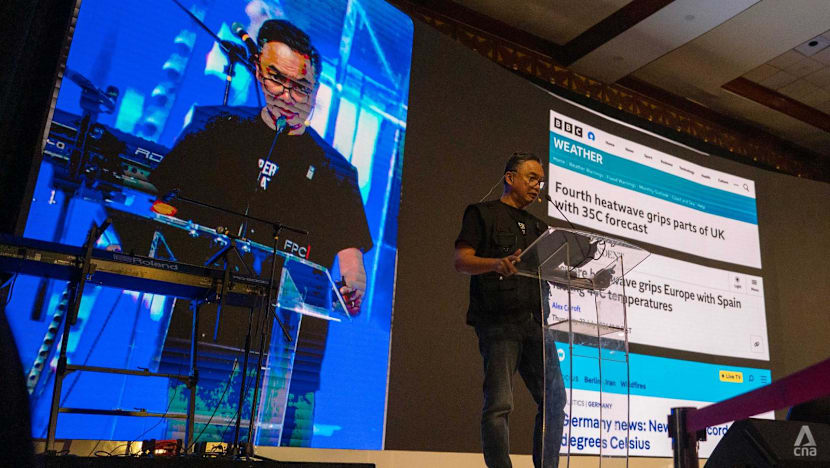
A key strategy for Indonesia involves leveraging its "natural capital." Djalal pointed out that the country’s massive tropical rainforests and unparalleled biodiversity are its greatest assets in international negotiations. These resources serve as essential carbon sinks, giving Jakarta significant bargaining power at upcoming forums like COP31 in Turkey.
The Minister of the Environment, Moh Jumhur Hidayat, echoed these sentiments, confirming that the administration views the preservation of biodiversity as a top-tier priority alongside pollution control and climate mitigation. He revealed that the government is currently preparing a strategic agenda for the upcoming UN climate talks, which includes a robust carbon trading package designed to attract foreign green investment.

The financial aspect of this transition remains a primary focus. Diaz Faisal Malik Hendropriyono, the Deputy Minister of the Environment, explained that active participation in multilateral organizations—including the G20 and the BRICS bloc—is vital for securing climate financing. He noted that international engagement is necessary to bridge the substantial funding gap required for Indonesia to meet its sustainability targets.
The summit also highlighted international collaboration, with China’s special envoy for climate change, Liu Zhenmin, expressing a strong desire to partner with Indonesia on renewable energy initiatives. He noted that the path to global carbon neutrality is long but achievable through South-South cooperation.
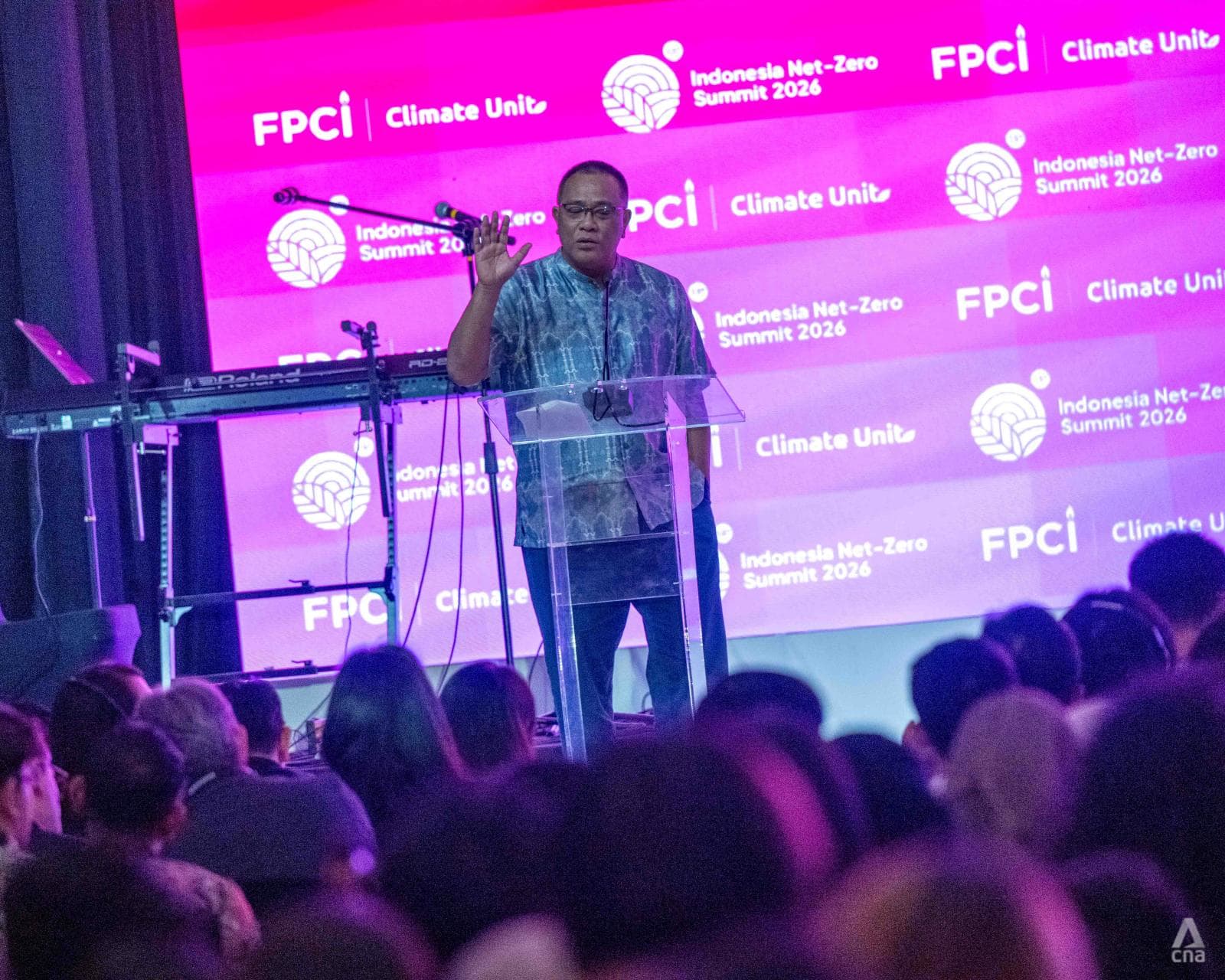
The 2026 INZS, themed "It’s Time to Deliver!", saw a massive turnout of approximately 9,500 participants, dominated by the younger generation. Students and young professionals at the event expressed a growing interest in the "green economy." Many attendees, such as environmental engineering graduates and international relations students, voiced their ambitions to build careers in sustainability and corporate governance (ESG), signaling a cultural shift toward environmental responsibility.
As the summit concluded, the consensus remained clear: with strong regulatory frameworks, active international engagement, and the enthusiasm of its youth, Indonesia is well-positioned to transform its environmental commitments into tangible global leadership.
