

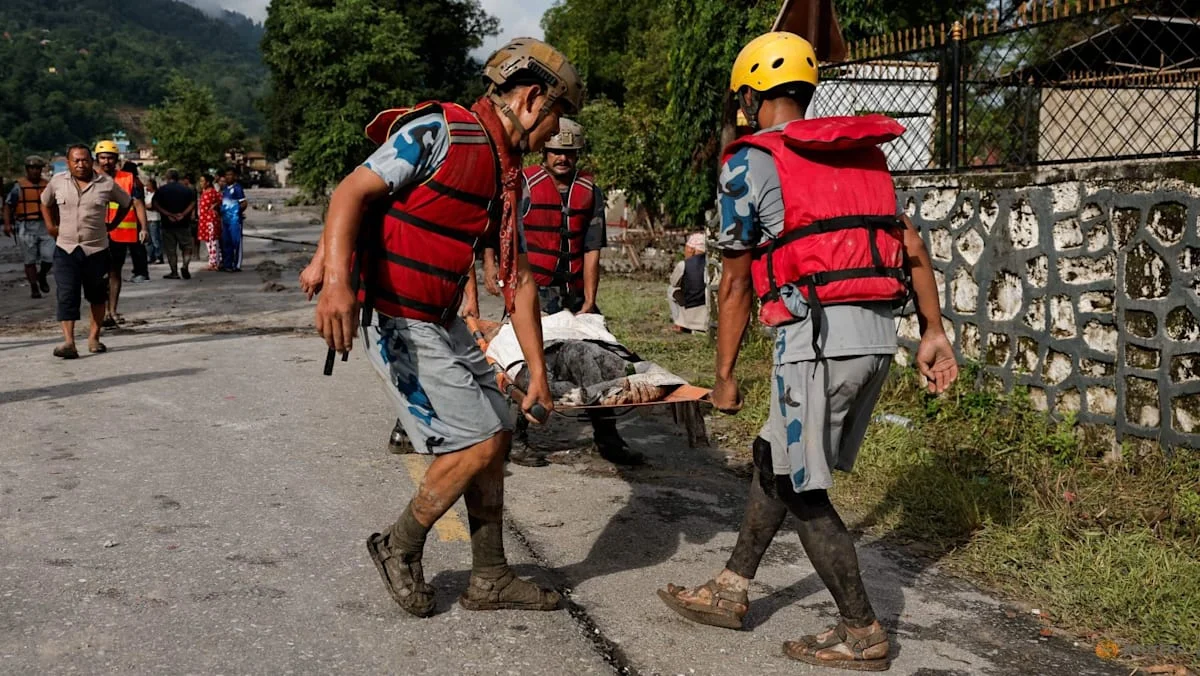
JustUpdateOnline.com – Trishuli, Nepal. A catastrophic environmental disaster has left a trail of destruction across Nepal and the Tibet region of China, with at least 1,500 people reported missing as of Thursday. The official death toll has climbed to 165, though authorities warn that this figure is likely to rise sharply as search and rescue operations penetrate deeper into the affected zones.
The tragedy unfolded on Wednesday following what the United States Geological Survey (USGS) identified as a glacial collapse. This collapse triggered a massive surge of mud and debris that acted with the force of a "land tsunami," obliterating entire villages, vital bridges, and highway infrastructure. Police spokesperson Abi Narayan Kafle told reporters that the resumption of search efforts is expected to uncover more victims in the coming days.
International Tourists Among the Unaccounted For
The disaster has international implications, as the affected region is a major hub for global tourism and religious pilgrimages. According to Nepalese police and tourism officials, 826 people are currently missing in Nepal, including nearly 500 foreign nationals.
The missing foreigners include:
- India: 177 people
- United States: 63 people
- Australia: 34 people
- United Kingdom: 33 people
- Canada: 25 people
- Singapore: 9 people
In Malaysia, Prime Minister Anwar Ibrahim confirmed that the government is working urgently to locate 55 citizens who are currently "unreachable." Severe damage to telecommunications and the electrical grid has made contacting those in the disaster zone nearly impossible. The Malaysian Embassy in Kathmandu has been granted full resources to assist in the search.
Devastation on the Pilgrimage Route
Among the missing Australians is a group of 15 pilgrims traveling to Mount Kailash. This group, which included a child as young as 11, was part of a larger tour organized by the Himalayan Glacier agency that also included citizens from the US, Canada, India, and Singapore.
Sagar Pandey, the CEO of the travel agency, conducted an aerial survey of the region and delivered a grim assessment. He noted that the settlements have been completely leveled, stating that the likelihood of finding survivors in those specific areas is tragically low.
Across the border in Tibet’s Gyirong area, Chinese state media reports that 558 individuals are missing, including 260 foreigners. While the confirmed death toll in Tibet remains at three, the scale of the missing persons list suggests a far larger tragedy.
Survivor Accounts of the "Land Tsunami"
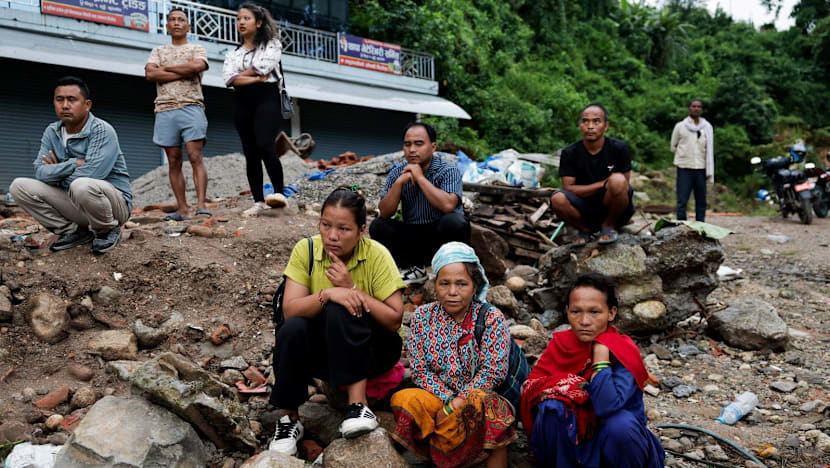
Witnesses and survivors have shared harrowing stories of the moment the water hit. Video footage from a border post in Gyirong shows a violent torrent of debris sweeping away buildings and people in seconds.
Keshav Prasad Baral, a 68-year-old survivor currently receiving medical treatment, described the terrifying approach of a massive wall of mud. "As it got closer, the mud grew higher," he recalled. While he managed to reach a terrace, his wife was tragically swept away by the force of the flow before his eyes. Another survivor recounted clinging to a mango tree for hours, watching as the building they worked in vanished into the torrent.
Environmental historian Ruth Gamble from La Trobe University explained that the debris flow traveled approximately 170 kilometers down the Bhote Koshi valley. This specific corridor is a primary artery for travelers moving between Kathmandu and Lhasa.
Ongoing Rescue Operations
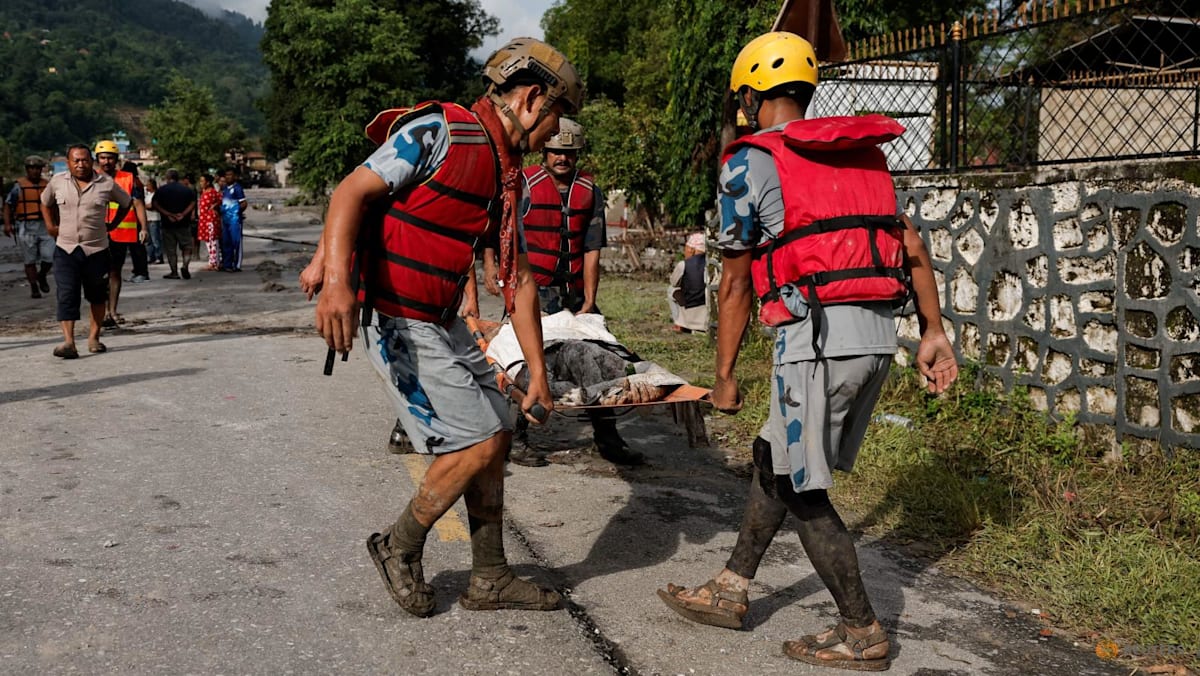
The Nepalese military has deployed helicopters to conduct emergency evacuations, successfully rescuing dozens of people trapped by the rising mud. Meanwhile, ground teams are digging through thick layers of sludge that have buried the lower floors of multi-story buildings.
Local authorities continue to urge residents living near riverbanks to move to higher ground, as the risk of secondary flooding remains high while the region’s geography continues to stabilize after the glacial event.
