


JustUpdateOnline.com – JAKARTA: A major volcanic eruption at Mount Anak Krakatau has paralyzed air travel across parts of Indonesia, leaving hundreds of thousands of commuters scrambling for alternative transportation as major aviation hubs remain shuttered.

The sudden surge in volcanic activity has transformed what should have been brief flights into exhausting multi-day journeys. Achmad Rifyannur, a 29-year-old travel influencer, found himself caught in this logistical nightmare. Originally scheduled for a two-hour flight from Bali to Jakarta on Sunday, September 6, Rifyannur’s plans were upended when his AirAsia flight was grounded. After a second attempt to fly into Bandung was also canceled, he was forced to undertake a 27-hour odyssey involving ferries, public buses, and a series of train connections to reach the capital.
The disruption is widespread. According to data from the Ministry of Transportation, roughly 2,300 flights were either canceled, delayed, or rerouted by Monday morning, impacting more than 270,000 passengers. Eight airports were forced to suspend operations due to the hazardous ash cloud, including Soekarno-Hatta International Airport, the nation’s primary gateway.

International travelers have been equally affected. Malaysian comedian Jason Leong, who was in Jakarta for a performance, had to navigate a complex detour to return home. With Jakarta’s airspace closed and Surabaya deemed too close to other volcanic activity, Leong traveled six hours by train to Yogyakarta to catch a flight back to Kuala Lumpur.
Similarly, Helen, an Indonesian national living in Singapore, expressed frustration over the lack of clear information. With direct flights to Jakarta unavailable until mid-September, she opted for a circuitous route involving a ferry to Batam followed by a flight to Semarang, from where she will take a six-hour land journey to reach her ailing brother in the capital.
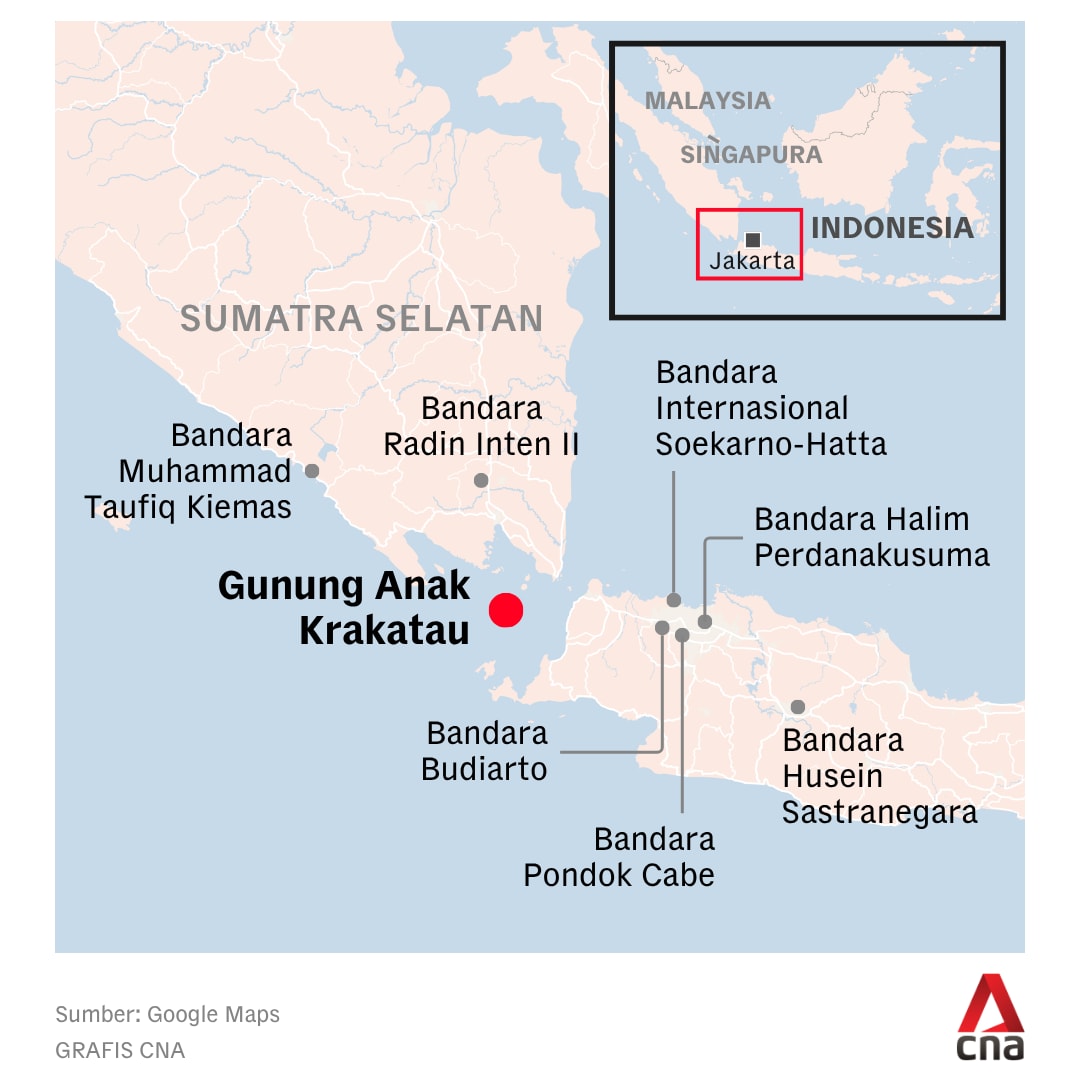
In response to the crisis, Transportation Minister Dudy Purwagandhi announced that six airports in Java have been designated as official alternatives, including Kertajati in Majalengka and Juanda in Surabaya. The government has pledged to provide free shuttle services and rail links for passengers diverted to these secondary hubs.
However, aviation experts warn that shifting operations is not a simple task. Independent analyst Gerry Soejatman noted that airlines face significant hurdles in relocating ground crews, maintenance staff, and essential spare parts to these alternative sites. Furthermore, over 170 aircraft remain effectively trapped on the tarmac at Soekarno-Hatta International Airport, unable to take off until the ash clears.
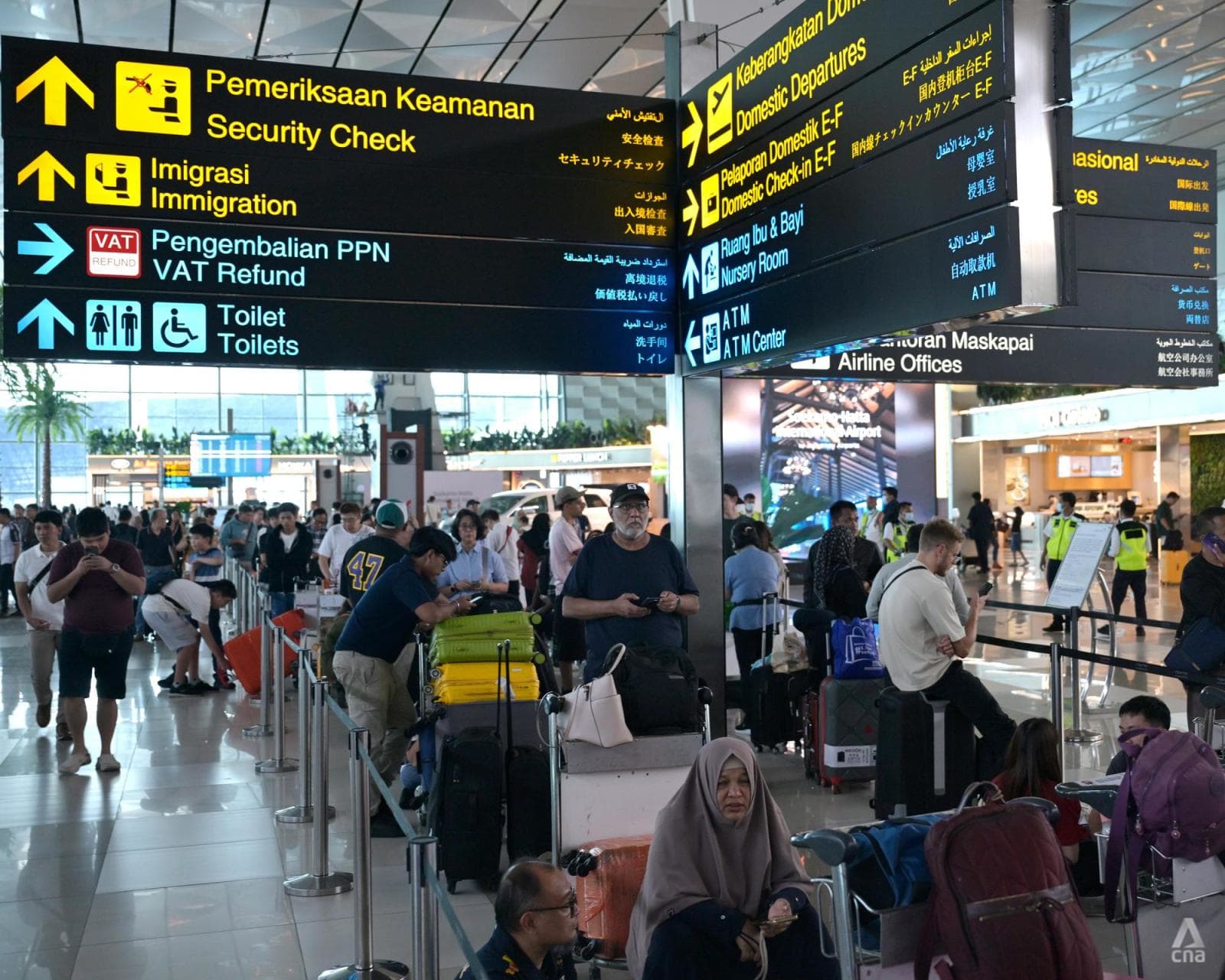
The travel chaos has also led to a sharp spike in costs. Ticket prices for flights to the few remaining operational airports have surged to more than triple their usual rates. Consequently, many have turned to the rail network. PT Kereta Api Indonesia (KAI) reported an 88% increase in passengers traveling from Surabaya to Jakarta compared to the previous week, as travelers abandon the skies for the tracks.
Mount Anak Krakatau has been under a Level III (Siaga) alert since its activity intensified on September 4. While the Badan Geologi (Geological Agency) observed that the continuous fountain-like lava eruptions appeared to subside by Sunday morning, the threat remains. Officials are maintaining a 3-kilometer exclusion zone around the volcano as they monitor for further activity.
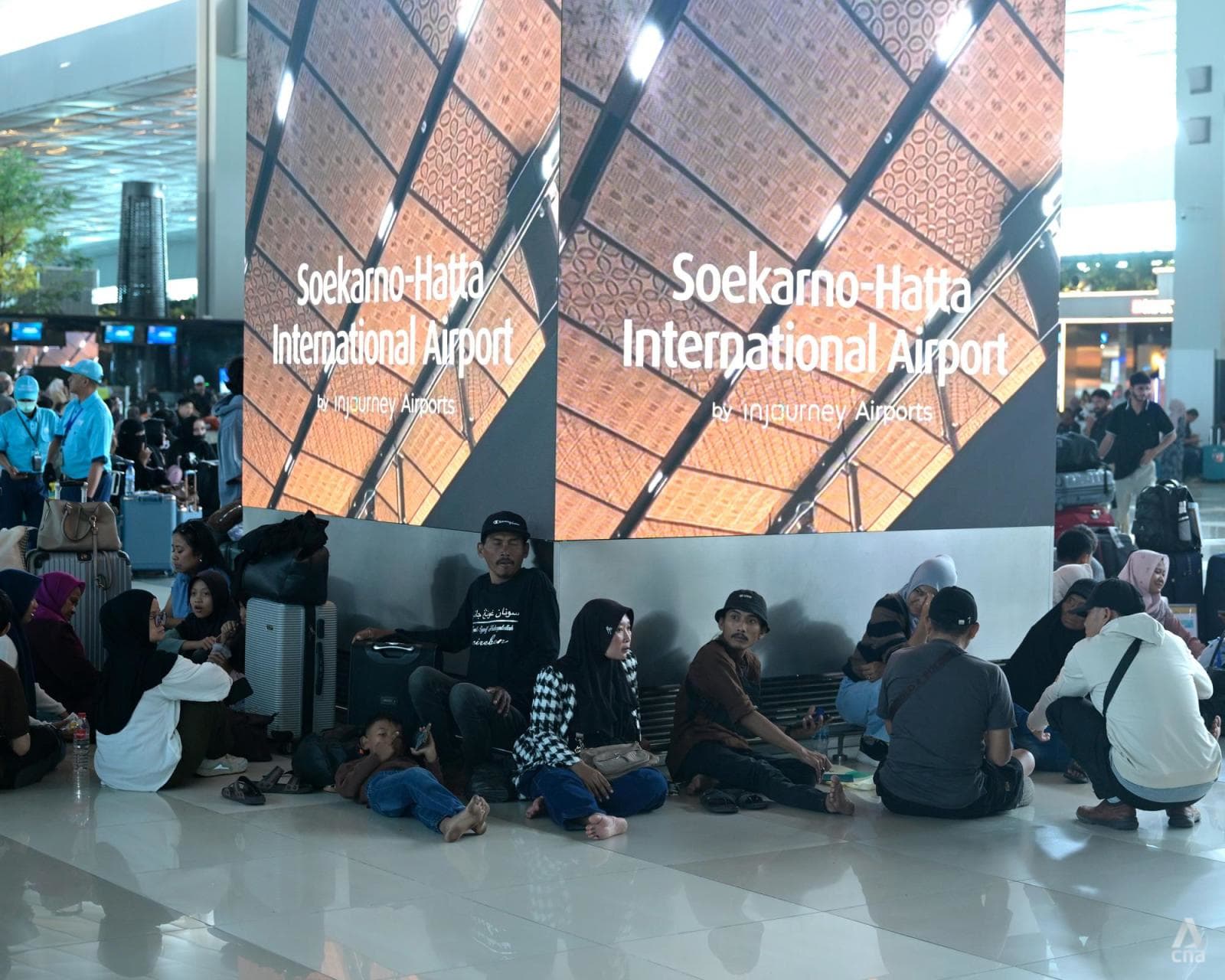
Authorities emphasize that even after the ash dissipates, reopening the airports will require a meticulous cleaning process to remove volcanic debris from runways and aprons to ensure the safety of jet engines. For now, thousands of travelers remain in a state of uncertainty, waiting for the skies to clear.
