

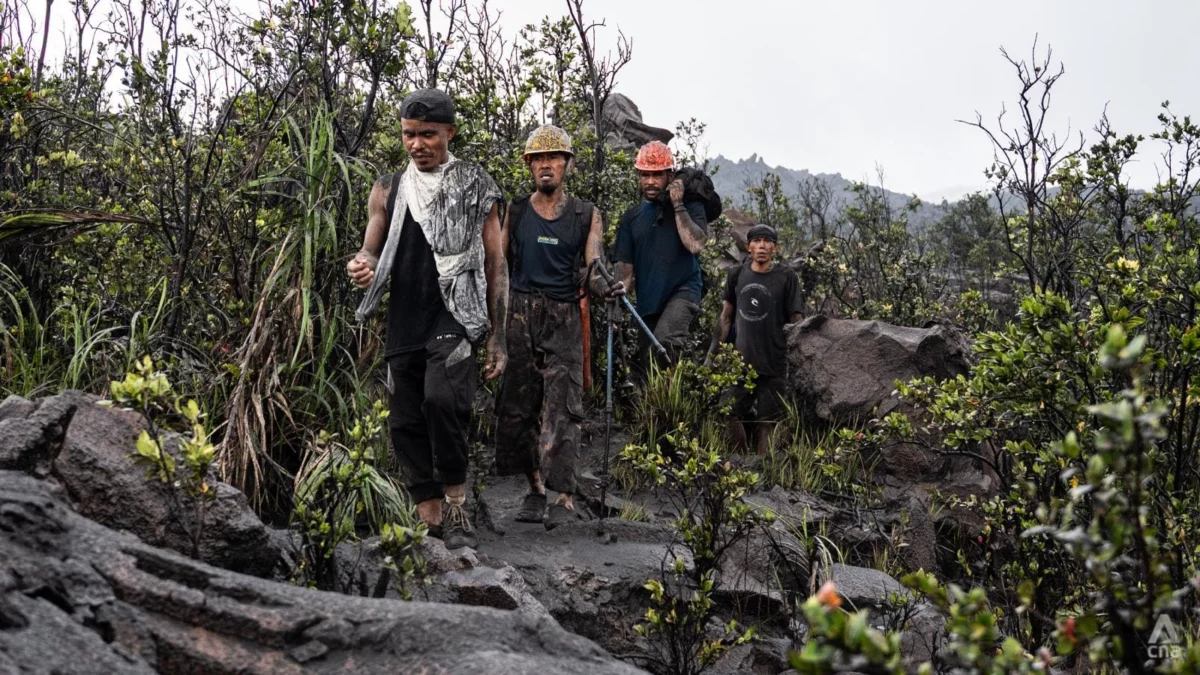
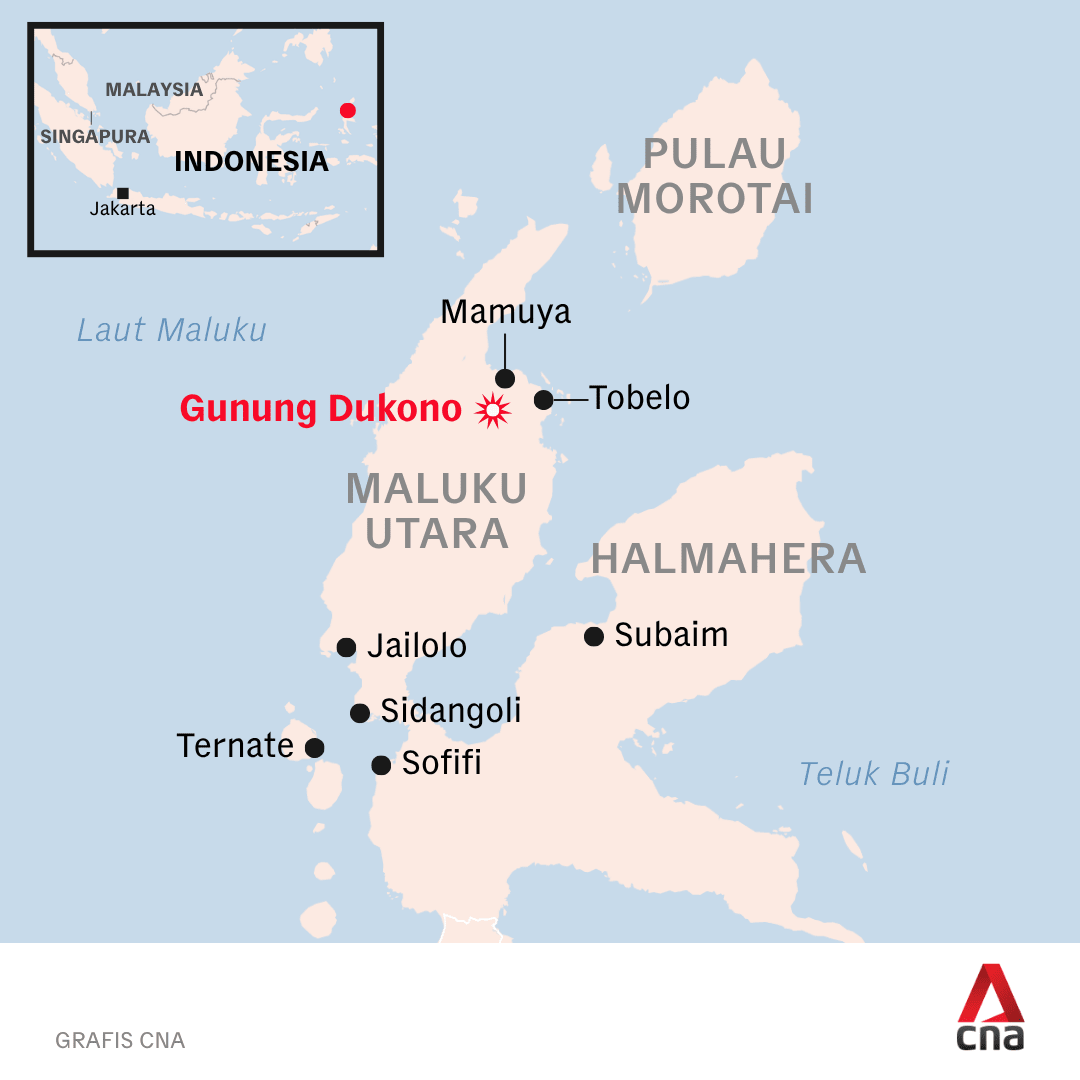
JustUpdateOnline.com – Mamuya, The small village of Mamuya in North Maluku is slowly returning to its quiet routine following a massive search and rescue operation at Mount Dukono. For several days, the community served as the nerve center for a high-stakes mission involving 150 personnel from the Indonesian National Armed Forces (TNI) and specialized SAR teams. The operation, which focused on the slopes of one of the nation’s most volatile volcanoes, concluded after the remains of three hikers were successfully recovered and transported from the summit area.
The tragedy unfolded on May 8, when Mount Dukono unleashed a historic eruption, propelling a massive column of volcanic ash 10,000 meters into the atmosphere. Among a group of 20 hikers positioned near the crater at the time of the blast, 17 managed to scramble to safety. However, three individuals—Indonesian national Angel Krishela Pradita, 28, and Singaporeans Timothy Heng Wen Qiang, 30, and Shahin Muhrez Abdul Hamid, 27—were unable to escape the rain of volcanic material.
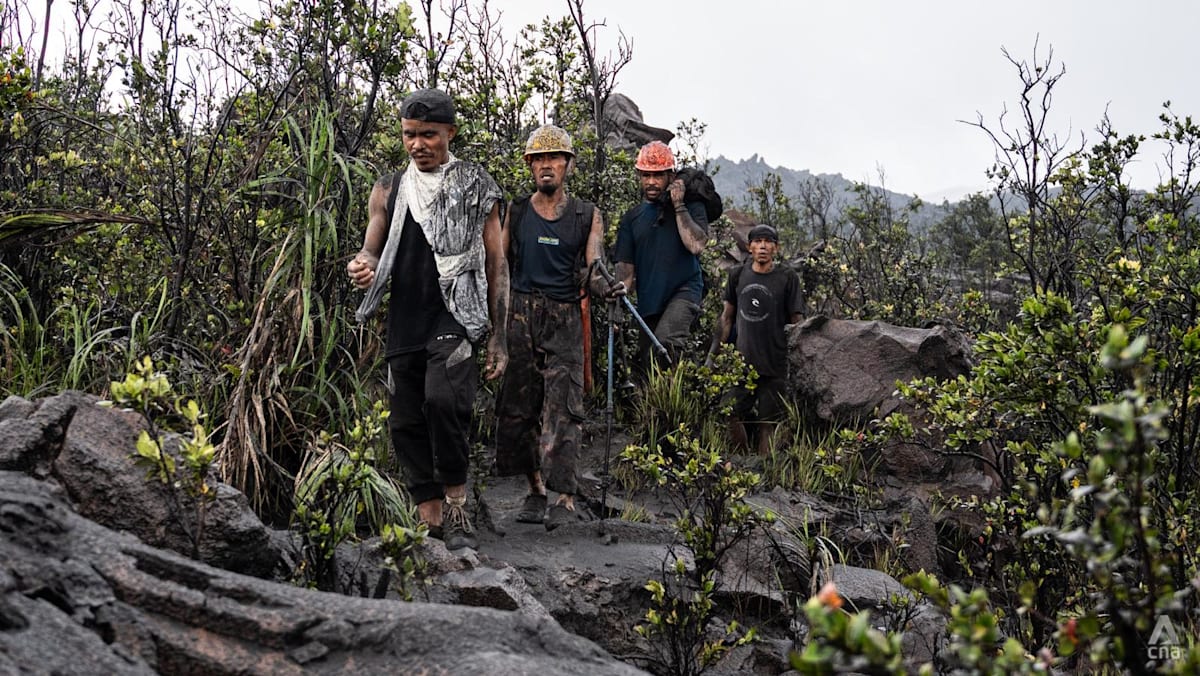
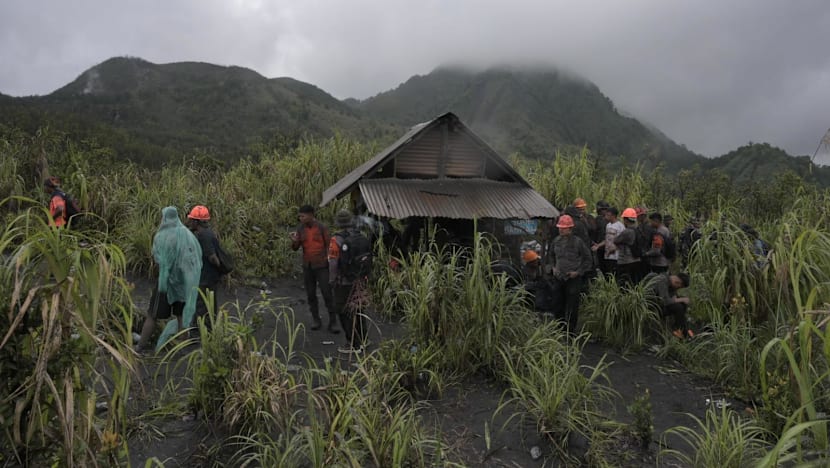
While regional officials have returned to their posts in Ternate and Ambon, the emotional weight of the event lingers in Mamuya. Local residents played an indispensable role in the recovery efforts, with 30 villagers volunteering to navigate the dangerous terrain. Jabir Abdul, a 42-year-old local farmer, recounted the chilling experience of discovering the victims buried beneath layers of scorching volcanic sand.
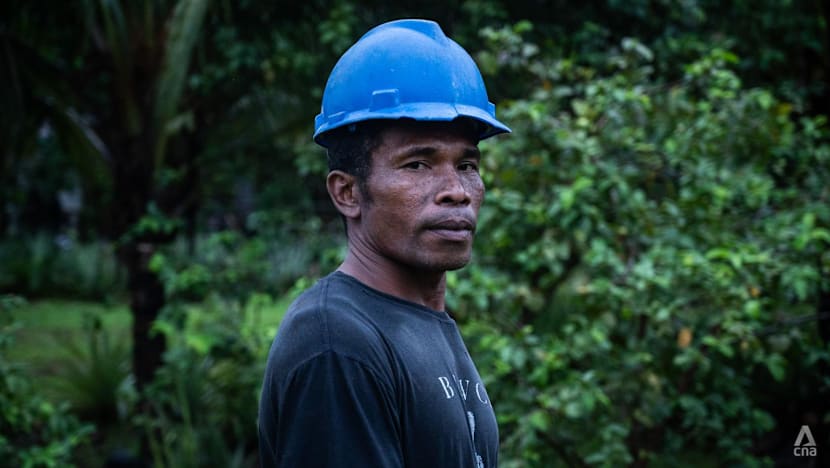
Rescuers highlighted that the villagers’ participation was the linchpin of the operation. Their physical endurance and intimate familiarity with the mountain’s ridges allowed the team to reach the crater’s edge despite the ongoing activity. Iwan Ramdani, the head of the Ternate Basarnas office, noted that the locals’ understanding of Dukono’s unique characteristics and their enthusiastic logistical support were vital to the mission’s success.
The eruption on May 8 caught many by surprise due to its unprecedented scale. While Dukono has been active for decades, historical data from the Center for Volcanology and Geological Hazard Mitigation (PVMBG) shows that ash clouds rarely exceeded 1,000 meters in the past. The sudden escalation led to a Level III (Siaga) alert status, which officially banned all activity within a four-kilometer radius of the peak.
Despite these restrictions, hikers have continued to find unauthorized paths to the summit. Sababil Pasaraja, another volunteer from the village, expressed the community’s heartbreak, noting that while they often assist in finding lost hikers, this was the first time a single event had claimed three lives at the crater’s mouth.
The recovery mission was fraught with peril. Rescuers had to time their movements between eruptive bursts, dodging "car-sized" rocks and navigating slopes turned treacherous by heavy rainfall and volcanic mud. The first victim was located on a Saturday afternoon, while the remaining two were found the following morning after a distress beacon helped narrow the search area.
As the physical traces of the SAR operation fade, the legal and social aftermath is just beginning. Local authorities are investigating potential negligence that may have led to the deaths. Reza Selang, the group’s guide and a survivor of the eruption, is currently under a travel ban as police look into why the group was near the crater despite the standing exclusion order.
For the people of Mamuya, the incident has sparked a period of deep reflection. Villagers who provided transportation and logistics expressed a sense of collective responsibility, wishing they had done more to turn the hikers back. Moving forward, the community plans to implement stricter oversight to ensure that safety warnings are respected, hoping to prevent their "backyard" volcano from claiming more lives.
