

JustUpdateOnline.com – A disturbing digital subculture is taking hold across Chinese social media platforms, where content creators engage in self-harm and physical degradation to attract viewers and financial rewards. Known as “brutality PK,” this trend involves streamers competing in live head-to-head battles where the loser must endure painful or humiliating penalties, often broadcast to thousands of cheering spectators.
In one instance, a man was seen repeatedly striking his head with a metal can, while another video depicted individuals whipping each other with leather belts and branches. These acts are part of a broader "Player Kill" (PK) ecosystem—a term borrowed from online gaming—that has evolved from innocent singing competitions into a dark spectacle of violence.
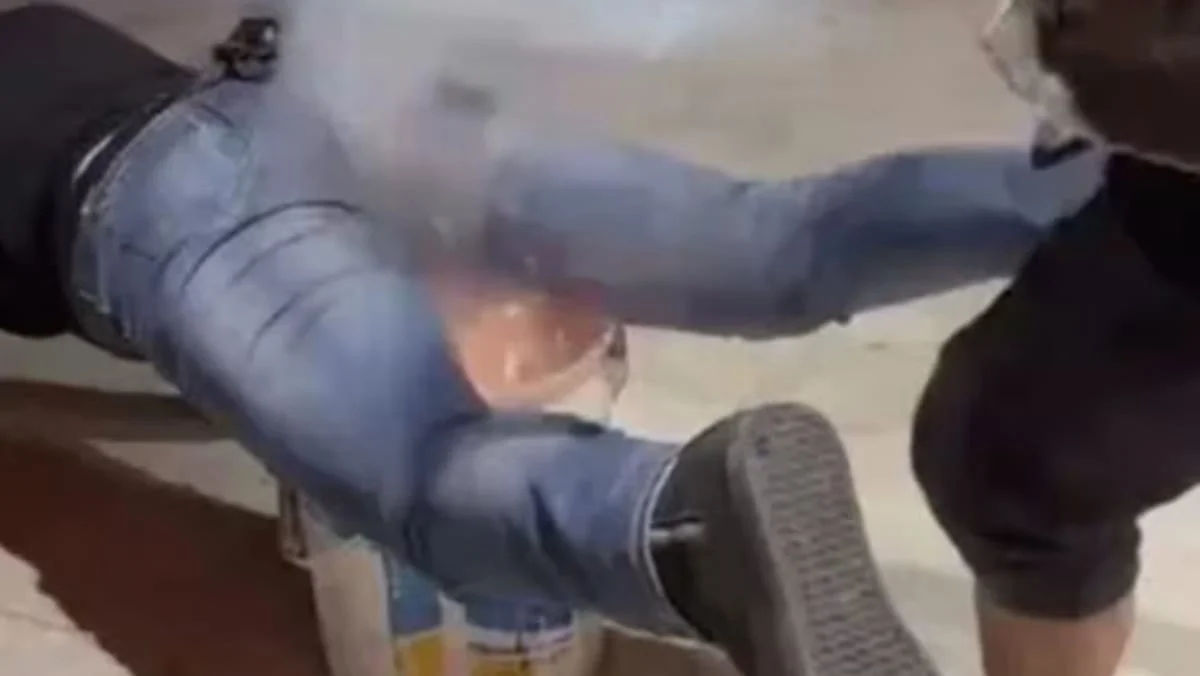
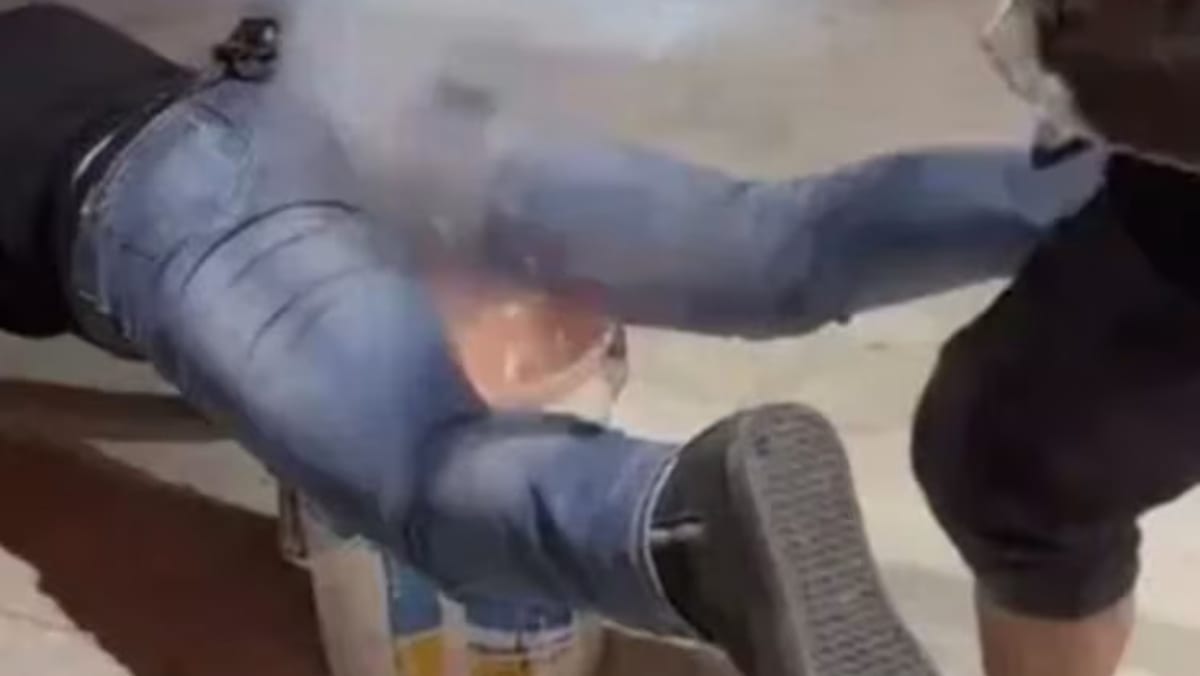
Despite strict regulations from Chinese cyber authorities, these "brutality" sessions continue to appear on popular apps like Douyin, Kuaishou, and Bilibili. In one recorded segment, an adult was seen striking a younger woman with a sandal as a "punishment" for losing a PK challenge, a video that garnered over 15,000 views before being flagged.
Law Enforcement Intervenes
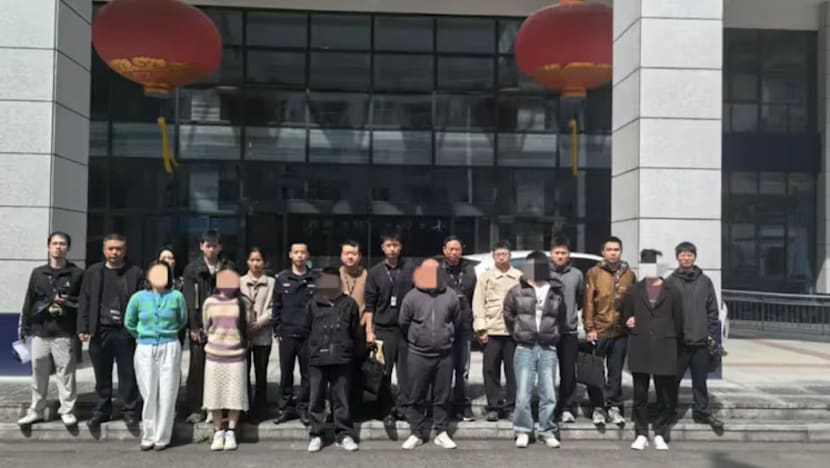
The Chinese government has labeled such content as "extremely harmful." In Zhejiang province, police recently apprehended 13 individuals accused of orchestrating degrading PK contests designed to manipulate traffic and boost revenue. The Ministry of Public Security has issued stern warnings, stating that streamers who prioritize clicks over human dignity will face legal repercussions.
Furthermore, social media companies are being pressured to implement "zero-tolerance" policies and enhance their moderation systems. Authorities are also urging the public to actively report illegal activities to help sanitize the country’s digital landscape.
A History of Escalation and Tragedy
The crackdown follows years of attempts to curb internet-based violence and "vulgar" content. However, the allure of viral fame remains strong. Earlier this year, a couple in Yunnan province was detained for five days after faking domestic abuse scenarios—including a woman pleading for food while locked in a room—solely to gain followers.
In more extreme cases, the trend has turned lethal. A prominent streamer known as "Bro3000" died after consuming massive quantities of high-proof Chinese liquor (baijiu) during a drinking challenge. Despite having his previous accounts banned for similar behavior, he bypassed restrictions by creating new profiles and hiding bottle labels to evade AI detection. Shortly after his death, another creator, Huang Zhongyuan, passed away following a similar 10-bottle alcohol stunt.
The Economics of Online Pain
Experts suggest that the persistence of "brutality PK" is driven by the intense saturation of the Chinese streaming market. Xu Jian, a senior lecturer at Deakin University, noted that as audiences grow bored with traditional talent shows, creators feel forced to resort to more sensationalist and extreme stunts to remain relevant.
The financial incentives are significant. Top-tier streamers can earn upwards of 40,000 yuan (approx. $5,500 USD) per month through virtual gifts. Because platforms often take a percentage of these earnings, there is a perceived conflict of interest. Wilson Wang from the University of Nottingham Ningbo China pointed out that platforms might be passive in their enforcement unless a streamer becomes famous enough to attract negative mainstream media attention.
The Role of the Audience
The phenomenon is also fueled by a desensitized audience. While some viewers criticize the "cheap" and "malicious" nature of the content, others actively encourage more severe punishments. Some spectators report feeling a sense of "achievement" by influencing the level of violence on screen.
As content creators continue to find loopholes—using euphemisms or moving to private channels to avoid AI filters—the battle between regulators and the "attention economy" remains a significant challenge for China’s digital future.
