

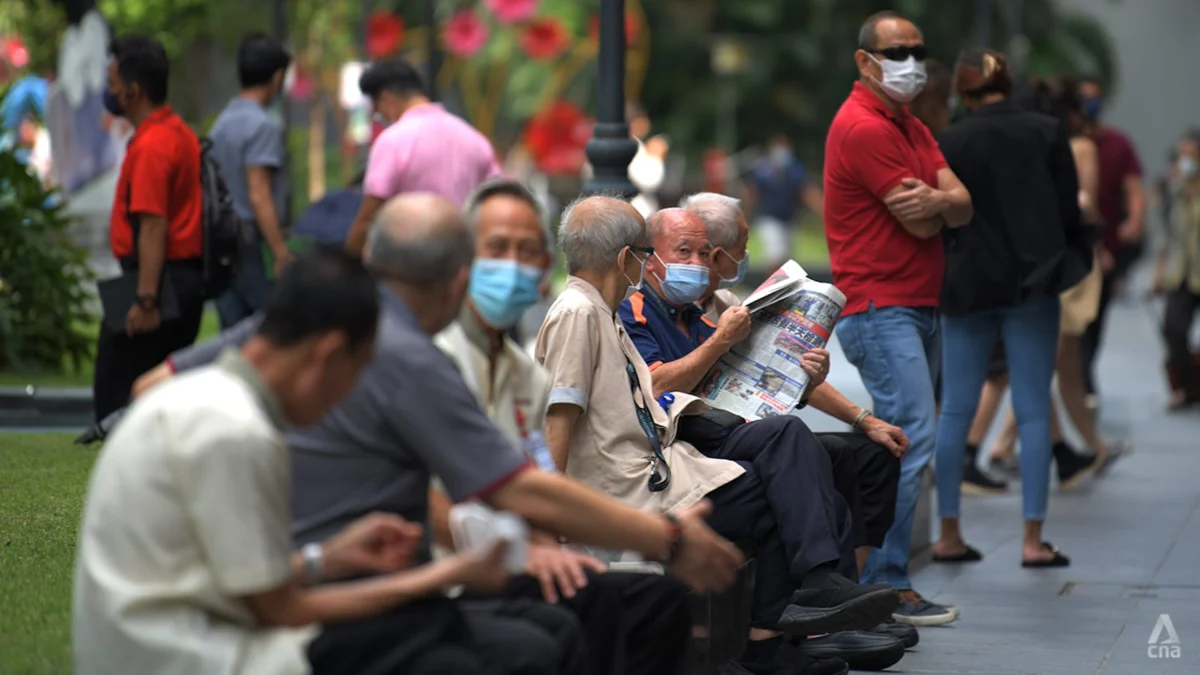
JustUpdateOnline.com – Singapore, the city-state has officially crossed a major demographic threshold, transitioning into a "super-aged" society. According to recent government figures released in the annual Population in Brief report, the proportion of citizens aged 65 and older has now surpassed the critical 21% mark.
As of June 2026, the data indicates that 21.4% of the Singaporean citizenry falls into the senior category. This milestone, defined by international standards when at least one-fifth of a population reaches the age of 65, highlights a rapid demographic shift. While the United Nations typically measures this based on a country’s total residency, Singapore’s internal metrics focus specifically on its citizen base to track these social changes.
A Rapidly Greying Society
The speed at which the nation is aging has accelerated significantly over the last decade. In 2016, seniors made up only 13.7% of the citizen population. This figure has climbed steadily to the current 21.4%, with projections suggesting that by 2035, more than one in four Singaporeans will be aged 65 or above.
The "oldest-old" segment—those aged 80 and over—has seen even more dramatic growth. This group expanded by 60% over the past ten years, rising from 95,000 individuals in 2016 to approximately 152,000 today. Consequently, the median age of citizens has ticked upward to 44.1 years, reflecting a broader trend of increased longevity.
Economic Pressures and the Support Ratio
This demographic transition is placing new pressures on the nation’s workforce. The old-age support ratio, which measures the number of working-age adults (20 to 64) for every senior citizen, has thinned considerably. A decade ago, there were 4.7 working adults per senior; today, that number has dropped to 2.8 and is expected to hit 2.2 by 2035.
To stabilize the labor force, Singapore continues to rely on a managed flow of immigration and foreign workers. While the citizen population grew slightly by 0.7% to 3.68 million, the non-resident population saw a sharper 3.7% increase, reaching nearly 2 million. This growth is largely fueled by the demand for labor in major infrastructure projects, including the expansion of Marina Bay Sands and the construction of Changi Airport’s Terminal 5.
Declining Birth Rates and Marriage Trends
The shift toward a super-aged status is compounded by a cooling interest in marriage and parenthood. The report revealed a significant 10.8% drop in births compared to the previous year, with the resident total fertility rate sliding to a historic low of 0.87.
Marriage rates also saw a downturn, falling by 5.6%. Furthermore, Singaporeans are choosing to marry later in life; the median age for first-time grooms has risen to 30.8 years, while for brides, it has reached 29.1 years. Social trends also indicate a rising number of individuals remaining single, particularly within the 25-to-34 age bracket.
The Role of Immigration
To combat the long-term effects of a shrinking local workforce and a low birth rate, the government granted citizenship to approximately 25,000 individuals and permanent residency to over 35,000 in 2025. Authorities noted that many of these new residents already have existing family ties to the country or have spent significant time contributing to the local economy through work and study.
By maintaining a consistent immigration policy, Singapore aims to buffer the economic impact of its aging population, ensuring the nation remains vibrant despite the demographic challenges ahead.
