

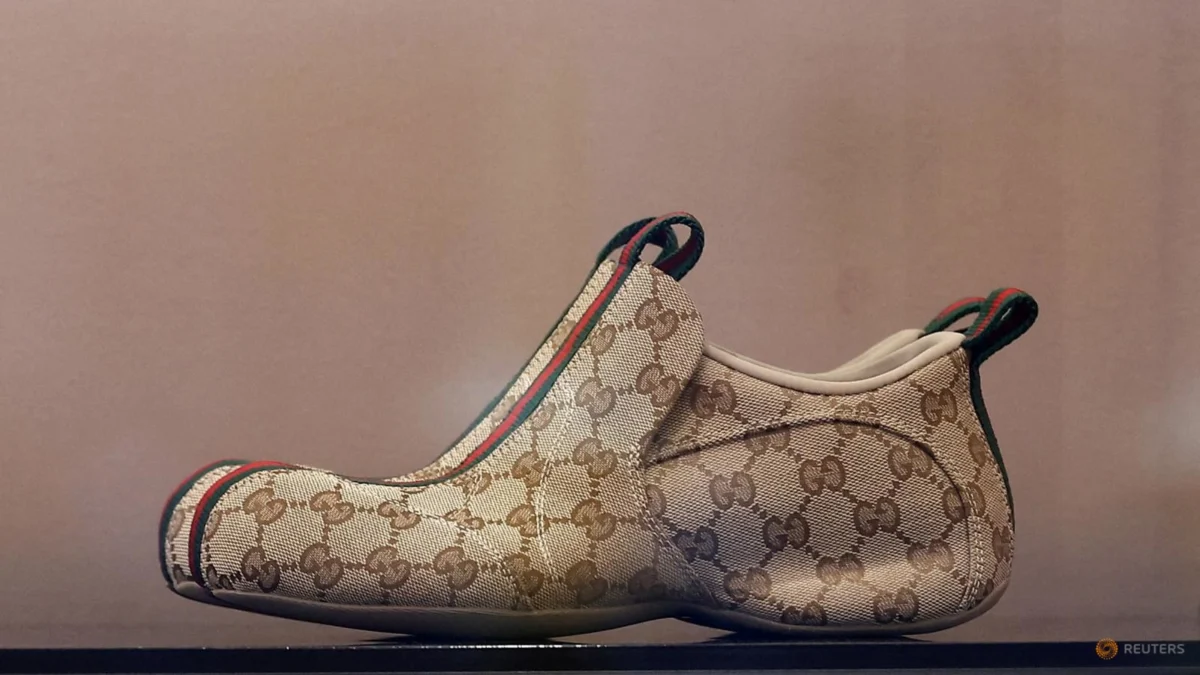
JustUpdateOnline.com – In a move that challenges traditional perceptions of high-end fashion, Gucci has launched its latest luxury footwear featuring a "Made in China" label, signaling a significant shift away from its exclusive reliance on Italian production. The decision has sparked a conversation among industry experts regarding the potential impact on the brand’s prestigious image as it attempts to re-engage with the middle-market consumer base.
The focal point of this transition is the "Drip" sneaker, a futuristic, laceless design crafted from materials like nilon and suede. This model marks the first major footwear contribution to the brand by creative director Demna. Retailing at approximately $1,000 in the United States and €800 in Europe, the sneaker is positioned as a more accessible entry point into the Gucci universe compared to its traditional leather offerings, targeting "aspirational" shoppers who are more budget-conscious than the ultra-wealthy elite.
This strategic pivot arrives at a critical juncture for Gucci’s parent company, Kering. Under the leadership of CEO Luca de Meo, the fashion house is working to reverse a period of declining revenue, which has seen sales drop significantly over the past three years. The pressure to innovate while managing production costs is high, as the brand looks to regain the market share it once dominated.
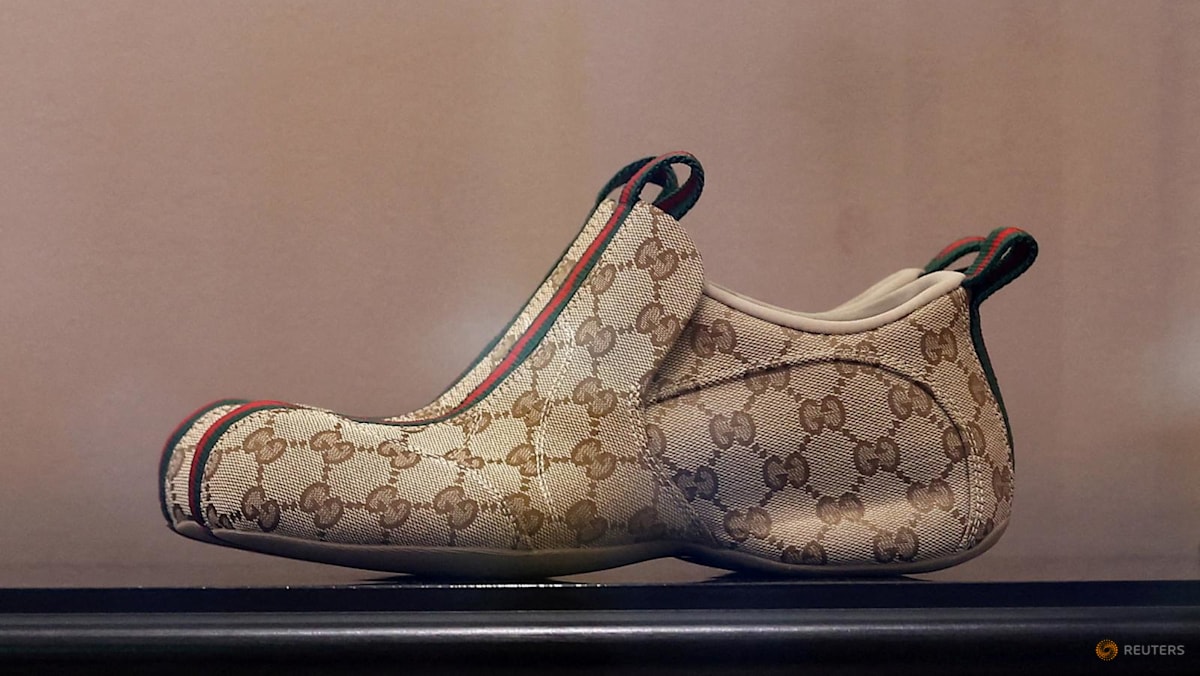
Addressing the change in manufacturing location, Gucci released a statement clarifying that while Italy remains the "soul" of its production identity, the company occasionally seeks specialized expertise abroad. The brand compared this move to its long-standing practice of sourcing eyewear from Japan and timepieces from Switzerland. According to the company, the chosen Chinese partners possess the specific technological capabilities required to meet the performance and quality standards of the Drip sneaker’s complex design.
Despite these assurances, market analysts have expressed concerns. Some suggest that abandoning the "Made in Italy" hallmark could create friction between the product’s origins and its high-end positioning. Consultants in the luxury sector have noted that the shift might not resonate well with consumers who equate Italian craftsmanship with the very essence of luxury.
Furthermore, reports indicate that Gucci has begun implementing price reductions on specific items in various regions, including China, to stimulate demand. Financial analysts from firms like Barclays and Berenberg have pointed out that the combination of lower prices and non-Italian manufacturing could lead shoppers to question the long-term value and exclusivity of the brand.
As Gucci continues to roll out its newest collections, the industry will be watching closely to see if this blend of futuristic design and globalized production can successfully restore the fashion house’s financial momentum without compromising its storied legacy.
